Professional solutions on concrete addtives, Concrete Foaming Agent, Superplasticizer, CLC Blocks Additives, and foaming machine

Defoaming Agent
PRODUCT PARAMETERS
Description
Overview of Defoaming Agent
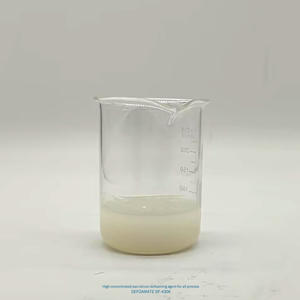
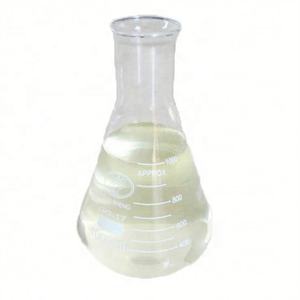
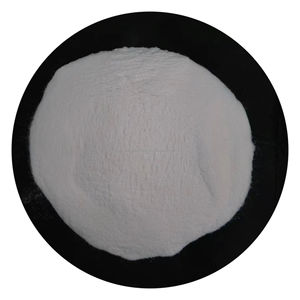
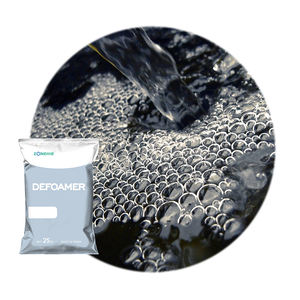
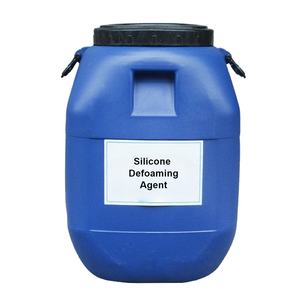
Defoaming Agent is specialized chemical additives used in concrete production to control and eliminate excess foam. Foam in concrete can interfere with the mixing process, leading to air pockets, reduced strength, and uneven curing. Concrete defoamers effectively break down unwanted foam without affecting the properties of the concrete. They are ideal for use in ready-mix concrete, precast production, and other concrete applications where foam control is essential. Available in various forms, such as liquid or powder, these defoamers are added during mixing to ensure smooth, high-quality, and durable concrete. By preventing the formation of excessive air bubbles, concrete defoamers help enhance the overall quality and appearance of the final product.
Characteristics of Defoaming Agent
Effective Foam Control: Concrete defoamers are highly effective at reducing or completely eliminating foam during the mixing process, which helps avoid air pockets, voids, and inconsistent textures in the final concrete product.
Improves Workability: By minimizing foam, defoamers enhance the workability of concrete, making it easier to handle and pour. This leads to improved placement and finishing, reducing labor time and improving overall project efficiency.
Prevents Strength Reduction: Excess foam can weaken concrete by creating air pockets that reduce its strength. Concrete defoamers help maintain the integrity and strength of the concrete mix by ensuring a denser and more solid structure.
Compatible with Various Mixes: Suitable for use with a wide range of concrete mixes, including ready-mix, precast, and high-performance concrete. Concrete defoamers can be tailored to different formulations, ensuring consistency and reliability across different projects.
Non-Interfering with Chemical Properties: These additives do not interfere with the hydration process or the setting time of concrete. They are designed to work seamlessly with other concrete admixtures, ensuring no adverse effects on strength, durability, or curing.
Cost-Effective: By improving concrete quality and consistency, defoamers help reduce the chances of product defects, rework, and material waste. This results in cost savings in both labor and materials.
Environmentally Friendly: Many modern concrete defoamers are formulated with environmentally friendly ingredients that are safe for both users and the environment, contributing to sustainable construction practices.
Versatile Application: Concrete defoamers can be used in various applications, including commercial, residential, and industrial projects. They are effective for different types of concrete, including those used in pavements, foundations, and structural elements.
Improved Finish Quality: By preventing the formation of bubbles or voids, concrete defoamers contribute to a smooth and even finish. This enhances both the appearance and performance of the final concrete product, particularly for decorative concrete or high-end finishes.
Easy to Use: Concrete defoamers are easy to incorporate into the mix, with simple dosage guidelines. Whether in liquid or powder form, they can be added during the mixing process without the need for specialized equipment, making them convenient for both small and large-scale projects.
Long Shelf Life: These additives have a long shelf life, ensuring that they maintain their effectiveness even when stored for extended periods, making them ideal for long-term use on multiple projects.

Specification of Defoaming Agent
Defoaming agents stop foam. Foam creates problems in several markets. Defoaming agents break bubbles. They stop brand-new bubbles from creating. This keeps procedures running smoothly.
These agents come in various kinds. Typical types are silicone-based, mineral oil-based, and water-based. Silicone defoamers function quite possibly. They are strong and last a long time. Mineral oil defoamers are less expensive. Water-based defoamers are good for some particular uses. The best type depends upon the application.
Defoaming agents have particular physical properties. They are generally liquids. They can be thick or slim. Their shade differs. It can be white, yellow, or clear. They may have a mild odor. Some are ready to utilize. Others require mixing before usage.
Efficiency is essential. An excellent defoamer acts quickly. It breaks foam rapidly. It maintains foam down for a long period of time. It operates in various temperature levels. It operates in different pH degrees. It should not hurt the final product. It ought to not change color or smell. It ought to be steady with time.
The representative has to work with the system. It needs to blend in easily. It must not trigger splitting up. It should not produce other problems. Utilize the correct amount. Excessive can be bad. Too little won’t function well. Follow the distributor’s directions.
Defoaming representatives are made use of extensively. They are made use of in making paper. They are made use of in processing food. They are made use of in producing paint and finishings. They are made use of in wastewater treatment. They are utilized in making chemicals and drugs. Choosing the appropriate defoamer saves time and money.
Applications of Defoaming Agent
Defoaming agents address foam troubles. Foam creates trouble in numerous sectors. These chemicals break down bubbles swiftly. They stop foam from forming as well. This maintains processes running well. Foam produces genuine problems. It reduces production. It makes devices work poorly. It can ruin item top quality. Defoaming agents fix these troubles.
Food and beverage makers utilize them a whole lot. Think of juice or beer manufacturing. Foam can fill storage tanks and overflow. This wastes product and makes messes. Operators include defoamers to regulate it. This keeps production running efficiently. It makes certain the final product looks right. No one desires a bubbly salad dressing.
Fabric factories require defoamers. Textile dyeing utilizes large barrels. Foam reduces the area for fabric. It influences just how the dye sticks. Defoamers cut the foam. This enables even more fabric per batch. It offers constant dye outcomes. It conserves money on dyes and water.
Repaint and finish companies count on them. Foam kinds when blending paints. Bubbles trapped in the paint cause problems. Using paint with foam leaves marks. Defoamers prevent bubbles throughout blending. They assist the paint circulation onto surface areas evenly. This gives a smooth, expert surface.
Wastewater therapy plants make use of defoamers. Freshening water cleans it however produces foam. Excessive foam splashes from tanks. It can obstruct devices and sensing units. Defoamers tear down this foam. This keeps the treatment procedure reliable. It avoids messy overflows.
Even making medication uses defoamers. Fermenting medications can foam up violently. This foam might lug bacteria into the set. It could damage delicate devices. Adding defoamers controls the foam. This safeguards the medicine’s purity. It maintains fermentation storage tanks functioning right.
Company Profile
We are the global leader in lightweight concrete and advanced engineered foam solutions. Known globally for its commitment to research, innovation, and applied expertise, we have been providing engineered foam solutions since the early 2012’s.
We can supply high-quality concrete admixture and foam concrete related products all over the world.
The company has a professional technical department and quality supervision department, a well-equipped laboratory, and equipped with advanced testing equipment and after-sales customer service center.
If you are interested, please feel free and contact us.
Payment
T/T, Western Union, Paypal, Credit Card etc.
Shipment
By air, by sea, by express, as customers request.
5 FAQs of Defoaming Agent
What is a defoaming agent? A defoaming agent stops foam from forming. It also breaks foam that already exists. Foam causes problems in many industries. It slows down processes. It wastes space in tanks. It can cause spills. Defoamers fix these issues.
How does it work? Defoamers work by breaking foam bubbles. They are chemicals. They have low surface tension. This lets them enter the foam bubble wall. They spread quickly on the bubble surface. This makes the bubble wall unstable. The bubble bursts. The foam collapses. The agent acts fast.
Where are defoamers used? Defoamers are used in many industries. They are common in wastewater treatment plants. Foam can overflow tanks there. Paper mills use them during pulp processing. Foam affects paper quality. Chemical manufacturing uses them. Foam slows reactions down. They are also used in paints, coatings, and adhesives. Foam ruins the final product look. Food processing uses special food-grade defoamers too.
How do I choose the right defoamer? Choosing the right defoamer is important. Consider your specific process. Think about the liquid causing the foam. Check the operating temperature. Know the pH level of your system. Look at the agitation speed. Some defoamers work better in hot liquids. Others work better in acidic systems. Testing different options helps. You want one that works fast. You want one that lasts long. You want one that doesn’t harm your product.
Is it safe? Safety depends on the defoamer type. Industrial defoamers are chemicals. Handle them with care. Wear protective gloves. Wear safety glasses. Always follow the instructions on the label. Use them only as directed. Store them properly. Keep them away from children. Food-grade defoamers meet strict safety standards. They are safe for use in food production. But always check the specific product details.