Professional solutions on concrete addtives, Concrete Foaming Agent, Superplasticizer, CLC Blocks Additives, and foaming machine

News
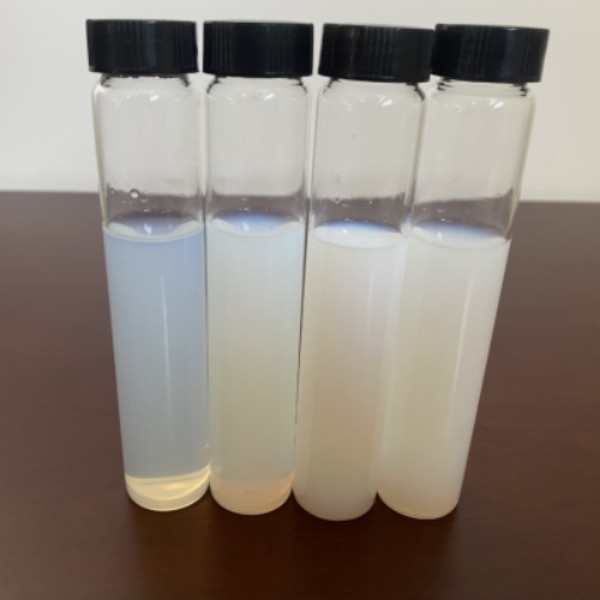
Cheap Concrete Release Agent: Is Low Cost Worth the Risk?
Key takeaways A cheap concrete release agent is a low-cost formulation that reduces adhesion between concrete and formwork; its suitability depends on formwork type, surface preparation, and application. Low cost is most…
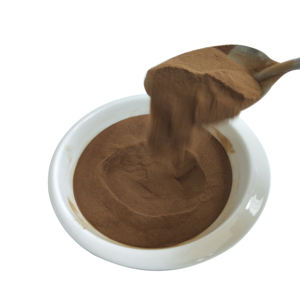
25 Types of Concrete Admixtures You Should Know: A Practical Guide
Key takeaways Concrete admixtures are added in small quantities to modify fresh or hardened concrete properties. Admixtures are commonly grouped by function, such as water reduction, set control, air content, durability, and…
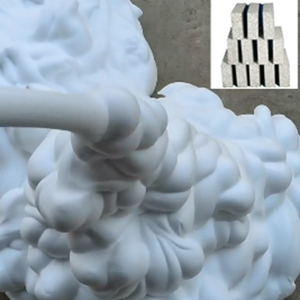
Powder Release Agent vs Liquid Release: Pros and Cons
Key takeaways Powder and liquid release agents serve the same barrier function but differ in how they are applied and controlled. Liquid agents are generally easier to spread into a continuous film…
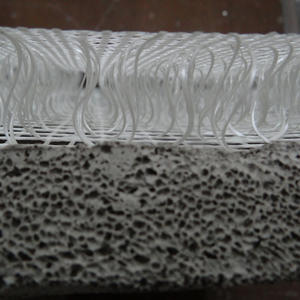
Factory Audit: How We Ensure Consistency in Concrete Release Agent
Key takeaways A release agent factory audit checks whether a supplier can repeat agreed product characteristics across batches, not just produce one good sample. The audit covers raw materials, formulation and mixing…
How to Achieve the Perfect Slump With Superplasticizer Admixture
Key takeaways The perfect slump is the lowest workability that still allows proper placement, compaction and finishing without segregation or bleeding. Superplasticizers improve flow by dispersing cement particles, so slump can rise…
What Is Protein-Based Foaming Agent for Concrete? Definition, Mechanism and Limits
Key takeaways A protein-based foaming agent is a surfactant concentrate whose foaming component comes from hydrolysed protein, diluted and expanded into foam before mixing into a cementitious slurry. The agent stabilises air…
White Cement 50 kg: Compare Best Whole Rates
Key takeaways Whole rates for white cement 50 kg bags should be compared on the same quantity, delivery point, and delivery basis. Retail single-bag purchase usually carries the highest unit rate but…
The Complete Checklist for Buying CLC Foaming Agent
Key takeaways Define target density and strength before comparing foaming agents. Confirm the foaming agent category and mechanism, not just the product name. Verify compatibility with actual cement, water, and admixtures through…
How Polycarboxylate Superplasticizer Contributes to Cement Cost Reduction: A Case Study Approach
Key takeaways Polycarboxylate superplasticizer reduces water content, allowing less cement for the same strength. Proper mix design and quality control are essential to achieve consistent cement savings. Cement reductions of 5–15% are…
How to Fix Cracking Issues in Lightweight Foam Concrete: Causes & Repair Guide
Key takeaways Cracks in lightweight foam concrete arise from shrinkage, improper mix, or structural stress; identifying the cause is essential. Repair methods range from surface sealing for hairline cracks to epoxy injection…
What Is Polycarboxylate Ether Superplasticizer in Concrete?
Key takeaways PCE superplasticizer reduces water demand by 20–30% while improving concrete flow. It works through both electrostatic repulsion and steric hindrance. PCE offers better slump retention and strength than naphthalene-based alternatives.…
Polycarboxylate Ether Superplasticizer: Definition, Benefits, and Bulk Supply Insights
Key takeaways PCE superplasticizer offers high water reduction (30-40%) and excellent slump retention through electrostatic and steric dispersion mechanisms. It is compatible with various cements and suitable for high-strength, self-compacting, and precast…