Professional solutions on concrete addtives, Concrete Foaming Agent, Superplasticizer, CLC Blocks Additives, and foaming machine

What Is Polycarboxylate Ether Superplasticizer in Concrete?
Key takeaways
- PCE superplasticizer reduces water demand by 20–30% while improving concrete flow.
- It works through both electrostatic repulsion and steric hindrance.
- PCE offers better slump retention and strength than naphthalene-based alternatives.
- Its low dosage and high efficiency reduce the cement footprint of concrete.
- PCE is essential for producing self-compacting, high-strength, and durable concrete.
What Is Polycarboxylate Ether Superplasticizer?
Polycarboxylate ether (PCE) superplasticizer is a high-range water-reducing admixture that reduces water content while maintaining or improving concrete workability. Its molecular structure—a carboxylate backbone with long polyether side chains—creates steric hindrance that disperses cement particles more effectively than naphthalene- or melamine-based superplasticizers; refer to the polycarboxylate ether vs naphthalene superplasticizer article for key differences.
Typically added at 0.2% to 0.5% by cement weight, it reduces water demand by 20% to 30%, enabling high-strength or self-compacting concrete. PCE superplasticizers allow lower water-cement ratios without sacrificing fluidity, making them popular in modern construction.
The term “superplasticizer” refers to its ability to improve concrete plasticity, while “polycarboxylate ether” specifies the polymer family. PCE is now the dominant superplasticizer globally due to its performance and environmental compatibility, and detailed bulk supply insights can be found in a dedicated article.
How Does Polycarboxylate Ether Superplasticizer Work?
PCE superplasticizer works through electrostatic repulsion and steric hindrance. The anionic carboxylate groups adsorb onto positively charged cement particle surfaces, giving them a negative charge and causing repulsion. Meanwhile, the long polyether side chains extend into the pore solution, physically blocking particle approach (steric hindrance).
This dual mechanism disperses cement agglomerates, releasing water trapped in flocs and increasing the effective water for hydration. Concrete becomes more fluid without extra water. The dispersive effect lasts longer than conventional superplasticizers, providing extended workability retention.
Adsorption behavior depends on cement composition, temperature, and the specific PCE polymer design. Customized formulations can be engineered to meet different setting time and slump retention requirements.
Key Benefits and Properties of PCE Superplasticizer
PCE superplasticizers offer several advantages over older types: higher water reduction (up to 30%), better slump retention, improved early and late strength, reduced shrinkage, and lower dosage. They also create a denser concrete matrix, enhancing resistance to freeze-thaw cycles, chemical attack, and chloride penetration.
Another property is the ability to produce self-compacting concrete (SCC) and high-performance concrete (HPC) with very low w/c ratios. PCE is also compatible with most other admixtures when used correctly, enabling multi-functional concrete mixes; for information on concrete foaming agent, see the dedicated FAQ.
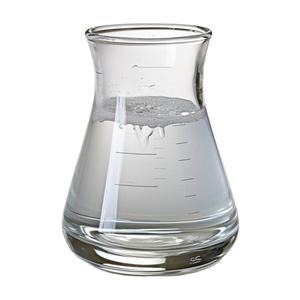
Available in liquid form, PCE superplasticizers can be adapted to different temperatures and slump life expectations. They are generally chlorine-free and low in alkali, meeting environmental and safety standards.
| Aspect | Description |
|---|---|
| Water reduction | Up to 30% reduction, enabling lower w/c ratio |
| Dosage | Typically 0.2%–0.5% by cement weight |
| Dispersion mechanism | Electrostatic repulsion + steric hindrance |
| Workability retention | Extended slump life, suitable for long transport |
| Strength | Improved early and final compressive strength |
| Durability | Reduced permeability, increased freeze-thaw resistance |
| Compatibility | Works with most cement types and other admixtures |
| Environmental profile | Chloride-free, low alkali, reduces carbon footprint |
Applications of Polycarboxylate Ether Superplasticizer
PCE superplasticizers are used in ready-mix, precast, high-strength, self-compacting, shotcrete, and underwater concrete. They are essential for durable structures such as bridges, dams, parking garages, high-rises, and marine structures.
In precast production, fast-setting PCE variants accelerate turnover while maintaining workability. For large-volume pours, extended-slump-retention types ensure workability during transport and placement. PCE also suits lightweight aggregate and colored concrete.
Because of its efficiency, PCE superplasticizer reduces the cement content needed for a given strength, lowering the concrete carbon footprint. This makes it valuable for sustainable construction.
Conclusion
Polycarboxylate ether superplasticizer is a high-performance water reducer that enables strong, flowable, and durable concrete. Its molecular design provides superior dispersion, making it the preferred choice for demanding applications. By optimizing water reduction and workability, PCE supports higher concrete quality and sustainability goals.
When selecting a PCE superplasticizer, match its slump retention and setting characteristics to project requirements. Consulting a reliable supplier ensures the correct formulation is chosen for the intended application.

Frequently asked questions
What is the difference between PCE superplasticizer and regular water reducer?
A regular water reducer can reduce water by about 5–10%, while a PCE superplasticizer can reduce water by 20–30%. PCE also provides much better slump retention and can produce self-compacting concrete.
How is PCE superplasticizer added to concrete?
PCE is usually added as a liquid during the mixing process, either at the same time as the mixing water or delayed to optimize performance. The exact dosage depends on cement type, water content, and desired workability.
Is polycarboxylate ether superplasticizer environmentally friendly?
PCE superplasticizers are generally chlorine-free and low in alkali. By reducing water and cement demand, they help lower the carbon footprint of concrete. However, specific environmental data should be requested from the manufacturer.
Can PCE superplasticizer be used with all types of cement?
Yes, PCE is compatible with most Portland cements and blended cements. However, compatibility should be tested in advance, especially with very high alkali or sulfate-resistant cements.
Waterreduceragent is a supplier of Concrete Admixture with over 12 years of experience in nano-building energy conservation and nanotechnology development. It accepts payment via Credit Card, T/T, West Union and Paypal. TRUNNANO will ship the goods to customers overseas through FedEx, DHL, by air, or by sea. If you are looking for lightweight concrete relative materials, please feel free to contact us and send an inquiry.