Professional solutions on concrete addtives, Concrete Foaming Agent, Superplasticizer, CLC Blocks Additives, and foaming machine

Polycarboxylate Ether Superplasticizer: Definition, Benefits, and Bulk Supply Insights
Key takeaways
- PCE superplasticizer offers high water reduction (30-40%) and excellent slump retention through electrostatic and steric dispersion mechanisms.
- It is compatible with various cements and suitable for high-strength, self-compacting, and precast concrete applications.
- Bulk supply requires proper storage conditions, quality verification, and handling equipment for liquid or powder forms.
What Is a Polycarboxylate Ether Superplasticizer?
A polycarboxylate ether (PCE) superplasticizer is a high-performance water-reducing admixture used in concrete and mortar. It belongs to the latest generation of superplasticizers, based on polycarboxylate polymers with grafted polyethylene oxide side chains. Its primary function is to disperse cement particles, significantly reduce water content while maintaining workability, and improve concrete strength and durability. Compared to older superplasticizers like naphthalene or melamine formaldehyde, PCE offers higher water reduction rates (up to 30–40%) and better slump retention. A detailed analysis of PCE vs naphthalene superplasticizer is available in our other article.
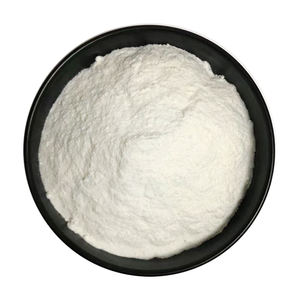
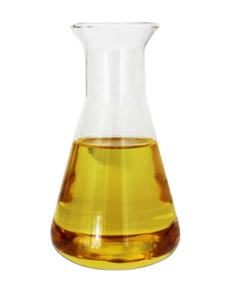
The molecular structure of PCE consists of a carboxylate backbone that adsorbs onto cement particles, creating electrostatic repulsion, and long ether side chains that provide steric hindrance. This dual mechanism prevents particle agglomeration, allowing water reduction without compromising fluidity. PCE is typically supplied as a liquid or powder and is compatible with various cement types and supplementary cementitious materials.
For bulk purchasers, understanding the chemical stability, dosage rate, and storage conditions is essential to maintain consistent performance. PCE superplasticizers are sensitive to temperature and pH; they should be stored in a cool, dry place away from direct sunlight. When buying in bulk, verifying the supplier's quality control and batch consistency helps ensure reliable results in large-scale projects.
Key Properties and Performance Advantages
Polycarboxylate ether superplasticizers are valued for their high water reduction capability, often exceeding 30% without loss of workability. This leads to denser concrete with higher compressive strength and lower permeability. Another key property is excellent slump retention over time, which is critical for ready-mix concrete delivered over long distances. PCE also exhibits low dosage sensitivity, meaning small variations in dosage do not drastically affect performance.
Compared to traditional superplasticizers, PCE provides better compatibility with a wide range of cements, including those with high alkali or sulfate content. It also reduces the risk of segregation and bleeding. The polymer structure can be tailored to achieve specific setting times or workability requirements, making it suitable for precast, high-performance, and self-compacting concrete.
When sourcing in bulk, note that liquid PCE typically has a solid content of 20–50% and may require agitation or re-homogenization before use if stored for long periods. Powder forms offer longer shelf life and easier transportation but require careful mixing with water. Always follow the manufacturer's recommended dosage range, usually 0.2%–2.0% by weight of cementitious material.
| Property | Description |
|---|---|
| Water reduction | Up to 30–40% by weight of water while maintaining slump |
| Slump retention | Extended workability time, suitable for long-haul concrete |
| Dosage typical range | 0.2–2.0% by weight of cementitious material |
| Compatibility | Works with most Portland cements, fly ash, slag, silica fume |
| Forms supplied | Liquid (20–50% solid) or powder |
| Storage condition | Cool (5–30°C), dry, avoid direct sunlight |
Typical Applications in Construction
PCE superplasticizers are widely used in high-strength concrete, self-compacting concrete, lightweight concrete, and precast elements. They are also essential in marine structures, bridges, tunnels, and high-rise buildings where high durability and low permeability are required. The ability to reduce water-cement ratio while maintaining flowability makes PCE ideal for producing concrete with a low carbon footprint by reducing cement content.
In the production of aircrete (autoclaved aerated concrete), PCE helps control viscosity and improve bubble stability. The concrete foaming agent production process directly affects bubble stability in aircrete.
Bulk availability means that large construction projects can secure a consistent supply of the same batch, minimizing variability. When ordering, it is advisable to request a certificate of analysis (CoA) and perform a preliminary compatibility test with the specific cement and aggregates to confirm performance. For aircrete projects, it is particularly important to select the best foaming agent for aircrete to ensure consistent bubble structure.
Considerations for Bulk Purchasing and Storage
Bulk purchase of polycarboxylate ether superplasticizer offers cost savings and supply stability, but requires careful planning. Liquid forms generally have a shelf life of 6–12 months if stored correctly (temperature 5–30°C). Powder forms can last up to 2 years in sealed, dry conditions. For bulk orders, ensure the supplier provides proper documentation including material safety data sheet (MSDS), technical data sheet, and packaging specifications.
Storage tanks for liquid PCE should be made of stainless steel, HDPE, or lined steel to avoid corrosion. Agitation may be needed to prevent sedimentation of solid particles. For powder PCE, moisture absorption is a concern; bags must be kept dry and opened only during use. Bulk bags (FIBC) are common for large quantities but require mechanical handling equipment.
Payment and shipping terms for bulk orders often involve letters of credit or advance payment, with delivery by sea or land freight. Lead time can range from 2 to 6 weeks depending on origin. When dealing with international suppliers, consider import duties, customs clearance, and potential delays. Establishing a direct relationship with a reputable manufacturer helps ensure quality and after-sales support.
Frequently asked questions
What is the difference between polycarboxylate ether and naphthalene superplasticizer?
PCE provides higher water reduction (up to 40%), better slump retention, and lower dosage compared to naphthalene-based superplasticizers. It also offers improved compatibility with modern cements and reduces environmental impact due to lower chloride content.
How do I store liquid polycarboxylate ether superplasticizer?
Store liquid PCE in a cool, dry place between 5–30°C, away from sunlight. Use tanks made of stainless steel, HDPE, or lined steel. Agitate periodically to avoid sedimentation. Shelf life is typically 6–12 months.
What is the typical dosage rate for PCE superplasticizer?
The recommended dosage is usually 0.2% to 2.0% by weight of cementitious material, depending on desired water reduction and workability. Always perform a preliminary test with your specific materials to optimize performance.
Can PCE superplasticizer be used in all types of concrete?
PCE is versatile and can be used in normal, high-strength, self-compacting, lightweight, and precast concrete. However, compatibility with certain cements or admixtures should be verified through trial mixes.
Waterreduceragent is a supplier of Concrete Admixture with over 12 years of experience in nano-building energy conservation and nanotechnology development. It accepts payment via Credit Card, T/T, West Union and Paypal. TRUNNANO will ship the goods to customers overseas through FedEx, DHL, by air, or by sea. If you are looking for lightweight concrete relative materials, please feel free to contact us and send an inquiry.