Professional solutions on concrete addtives, Concrete Foaming Agent, Superplasticizer, CLC Blocks Additives, and foaming machine

Top 10 Questions About Concrete Foaming Agent Answered
Key takeaways
- Concrete foaming agent creates stable air bubbles to produce lightweight, cellular concrete.
- Two main types exist: synthetic (lower cost, larger bubbles) and protein-based (finer bubbles, higher strength).
- Dosage ranges from 0.5–2 L/m³ of concentrated agent; trial mixes are essential.
- Foaming agent reduces density and consequently compressive strength; proper selection balances performance.
- Storage between 5°C–30°C in sealed containers maintains agent stability.
1. What Is a Concrete Foaming Agent?
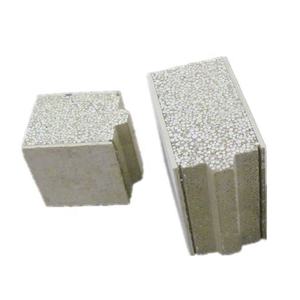
A concrete foaming agent is a chemical admixture that introduces stable air bubbles into a cementitious mixture, reducing its density. It is the primary additive for producing foamed concrete, also known as cellular lightweight concrete (CLC). The agent must be properly diluted and aerated to create foam that remains stable during mixing and placement. Explore the concrete foaming agent production process inside our factory.
Maintaining foam stability until the concrete sets is essential for effective use. The agent enables lightweight concrete with thermal insulation and reduced structural load, suitable for non‑structural or semi‑structural applications.
2. How Does a Concrete Foaming Agent Work?
The working mechanism involves diluting the foaming agent with water, then aerating it through a foam generator to produce stable foam. This article details foaming agent working principles. This foam is blended with cement slurry or mortar; after hardening, the air voids remain, creating a lightweight cellular structure.
Factors such as water‑cement ratio, mixing speed, and foam density affect performance. Proper control of foam generation and blending yields uniform density and predictable mechanical properties in the final concrete.
3. What Are the Types of Foaming Agents?
Two main categories exist: synthetic and protein‑based foaming agents. Synthetic agents are derived from surfactants and offer consistent performance at lower cost. Protein‑based agents, often made from hydrolyzed animal proteins, produce finer bubbles and better stability in certain conditions.
The choice depends on required foam density, stability, and application environment. For general lightweight blocks, synthetic agents are common; where higher strength at the same density is needed, protein‑based agents may be preferred.
4. What Is the Difference Between Synthetic and Protein‑Based Foaming Agents?
Synthetic foaming agents typically produce larger bubbles with lower stability, making them suitable for general lightweight blocks. Protein‑based agents generate smaller, more uniform bubbles, which result in higher compressive strength for the same density.
Synthetic agents are generally more affordable and easier to handle, while protein‑based agents may require more precise control of mixing conditions. The selection involves a trade‑off between cost, stability, and final concrete strength.
5. What Are the Key Applications of Foaming Agents in Concrete?
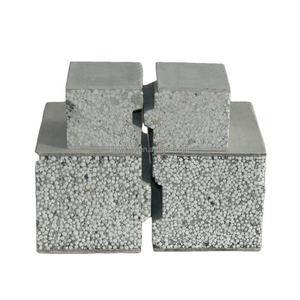
Foamed concrete is used in floor screeds, roof insulation, void filling, precast blocks, and tunnel backfilling. Its low weight reduces structural load, and its thermal properties improve energy efficiency in buildings.
The agent must be selected based on the specific environment—for example, high‑temperature stability may be required in some applications. Foamed concrete is also used for geotechnical fills where settlement needs to be minimized.
6. What Is the Typical Dosage of Foaming Agent?
Dosage varies depending on target density and foam quality. A common range is 0.5 to 2 liters of concentrated agent per cubic meter of concrete, after dilution. The exact amount must be determined through trial mixes because factors such as water‑cement ratio and mixing time affect foam retention.
Overdosing can lead to foam collapse or excessive shrinkage; underdosing may not achieve the desired density. Lab trials under site conditions are essential to establish the optimum dosage for a given application.
7. How Does Foaming Agent Affect Concrete Strength?
Adding foaming agent reduces concrete density, which generally lowers compressive strength. The relationship between density and strength is nonlinear; for a given density, strength can be optimized by using a proper foaming agent type (protein‑based often yields higher strength) and controlling air‑void distribution.
Structural applications require careful balance between weight reduction and strength requirements. Typically, foamed concrete is used for non‑structural or semi‑structural elements unless density is kept relatively high (≥1000 kg/m³).
8. What Factors Influence Foaming Agent Performance?
Key factors include water quality (chlorides and impurities can destabilize foam), temperature, mixing speed, and the presence of other admixtures. Foam stability is also affected by the cement type and its fineness.
Pre‑qualification testing under site conditions is recommended for reliable results. Controlling these factors during production ensures consistent foam quality and final concrete properties.
9. How Should Foaming Agent Be Stored?
Concentrated foaming agents should be stored in sealed containers at temperatures between 5°C and 30°C, away from direct sunlight and freezing conditions. Exposure to extreme temperatures can reduce shelf life or alter chemical properties.
Always check manufacturer guidelines for expiration dates and storage recommendations. Proper storage prevents degradation and ensures the agent performs as expected when used.
10. How to Choose the Right Concrete Foaming Agent?
Selection depends on the target application: for general lightweight blocks, a synthetic agent may be cost‑effective; for higher strength requirements or finer foam, a protein‑based agent is preferable. Consider factors such as foam stability required, availability, cost, and compatibility with existing mixing equipment.
Requesting samples and conducting trial mixes is the most reliable approach. Match the agent’s characteristics to the project’s density and strength targets and consider CLC foaming agent cost factors, with validation through field tests.
Waterreduceragent is a supplier of Concrete Admixture with over 12 years of experience in nano-building energy conservation and nanotechnology development. It accepts payment via Credit Card, T/T, West Union and Paypal. TRUNNANO will ship the goods to customers overseas through FedEx, DHL, by air, or by sea. If you are looking for lightweight concrete relative materials, please feel free to contact us and send an inquiry.