Professional solutions on concrete addtives, Concrete Foaming Agent, Superplasticizer, CLC Blocks Additives, and foaming machine

7 Essential Steps to Select and Use the Best Concrete Admixtures for Your Construction Project
1. Introduction
In a major industry development reported just yesterday (June 26, 2024), global construction chemical leader Chryso announced a new generation of eco-friendly superplasticizer formulations designed to reduce carbon footprint while enhancing concrete flowability—highlighting the growing importance of selecting the right admixture for both performance and sustainability. As concrete remains the world’s most widely used building material, understanding how to effectively leverage concrete admixtures is no longer optional but essential for engineers, contractors, and DIY builders alike.
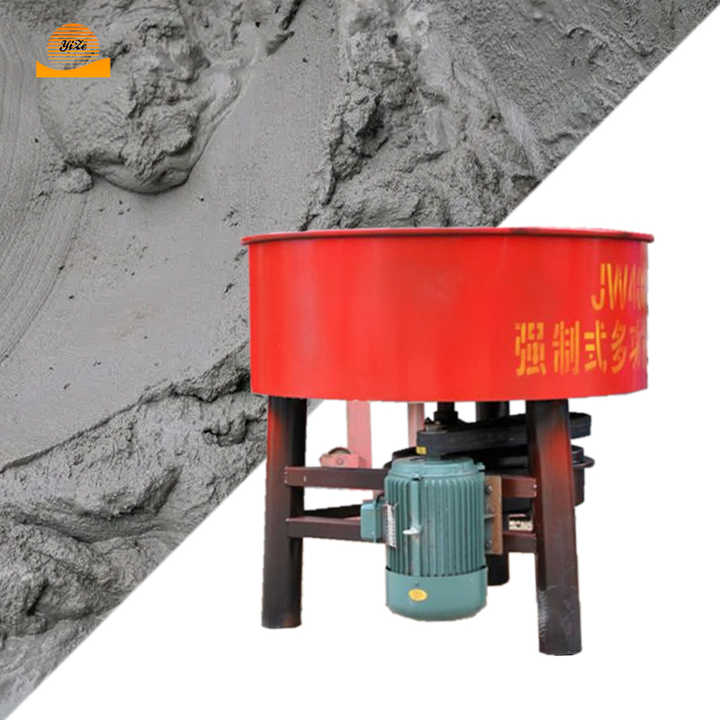
Concrete admixtures are chemical or mineral additives incorporated into concrete mixes to modify their properties during mixing, placing, or curing. Whether you’re aiming to accelerate setting time, improve freeze-thaw resistance, enhance strength, or achieve a specific aesthetic finish, the strategic use of admixtures can dramatically influence project outcomes. This guide provides a clear, step-by-step approach to identifying, selecting, and correctly using the best admixture for concrete based on your specific needs.
2. Step 1: Identify Your Concrete Performance Requirements
Before selecting any admixture, clearly define what you need your concrete to do. Are you working in cold weather and need faster curing? Is water exposure a concern, requiring waterproofing? Do you need high flowability without adding extra water? Common objectives include:
- Reducing water content while maintaining workability (use water reducing admixtures or superplasticizer)
- Accelerating early strength gain (use concrete accelerator or fast curing concrete additives)
- Delaying setting time for long hauls or hot weather (use concrete retarder or surface retarder concrete)
- Improving durability in freeze-thaw environments (use air entraining admixture)
- Adding crack resistance (use fibers for concrete such as polypropylene fibres for concrete or steel fibers for concrete)
Understanding these goals will directly inform your choice among the many concrete admixture types available.
3. Step 2: Understand Core Admixture Types and Functions
There are two broad categories: chemical admixtures and mineral admixtures. Chemical admixtures include superplasticizers, accelerators, retarders, air-entraining agents, and waterproofing compounds. Mineral admixtures—like fly ash or silica fume—are often used to enhance long-term strength and reduce permeability.
Key admixture types to know:
- Superplasticizer (or high-range water reducer): Dramatically increases workability without increasing water. Polycarboxylate ether (PCE)-based superplasticizers are now considered the best superplasticizer for concrete due to their efficiency and compatibility.
- Air entraining concrete additives: Introduce microscopic air bubbles to improve freeze-thaw resistance. An air entraining agent is critical in cold climates.
- Concrete waterproofing additive: Includes integral waterproofer and crystalline waterproofing admixture that block capillary pores to prevent moisture ingress.
- Fiber reinforcement: Polypropylene fibre, steel fiber reinforced concrete, or coconut fiber reinforced concrete add tensile strength and reduce plastic shrinkage cracking.
- Concrete retarder admixture: Extends setting time—ideal for large pours or high-temperature conditions.
Each admixture serves a distinct purpose, and some—like a superplasticizer admixture combined with fibers for concrete—can be used together for synergistic effects.
4. Step 3: Choose the Right Product Based on Compatibility and Standards
Not all admixtures work well together or with every cement type. Always verify compatibility with your specific cement (including white cement if used) and other concrete chemicals. For example, naphthalene-based superplasticizers may not perform as well with certain supplementary cementitious materials compared to polycarboxylate-based alternatives.
Check technical data sheets (often called bio data sheet in some regions) for dosage rates, pH compatibility, and setting time impacts. Reputable brands like Chryso admixture provide detailed guidance. Also ensure the product meets ASTM or EN standards for its intended function—especially critical for structural applications involving fiber reinforced concrete or accelerating admixtures for concrete.
5. Step 4: Calculate Accurate Dosage and Mixing Protocol
Over- or under-dosing can lead to serious issues—such as excessive retardation, segregation, or reduced strength. Typical dosages range from 0.1% to 2.0% by weight of cement, depending on the admixture type.
For instance:
- Superplasticizer in concrete: Usually 0.5–1.5% of cement weight
- Air entraining admixture: 0.05–0.2% to achieve 4–7% air content
- Integral waterproofer: Often 1–3% of total mix volume
Always add the admixture to the mix water before introducing cement, unless the manufacturer specifies otherwise. Premature addition or improper sequencing can reduce effectiveness.
6. Step 5: Test Trial Batches Before Full-Scale Use
Never skip trial batching. Mix a small batch with your selected admixture(s) and evaluate workability (slump test), setting time, and early strength development. This is especially important when combining multiple admixtures—e.g., a concrete water reducer with a concrete accelerator curing time modifier—or when using specialty products like foaming agent for foam concrete or colored concrete powder.
Document results and adjust dosage if needed. For decorative applications like stamped and colored concrete, also test release agents (e.g., concrete stamp release agent or powder release agent) to ensure clean pattern transfer without staining.
7. Step 6: Apply Proper Placement and Curing Practices
Even the best admixture won’t compensate for poor placement or curing. For example, fiber reinforced concrete requires adequate vibration to avoid balling, while air entraining concrete must not be over-vibrated to preserve air void structure. Waterproof admix like crystalline waterproofing admixture needs sufficient moisture during curing to activate its pore-blocking crystals.
Similarly, fast curing concrete additives still require minimum curing periods—typically 3–7 days—to develop full strength. Use appropriate curing compounds or moist curing methods as recommended.
8. Step 7: Monitor Performance and Document Results
After placement, monitor concrete for unexpected behavior—such as rapid slump loss (indicating possible incompatibility with superplasticizer) or surface scaling (suggesting inadequate air entrainment). Keep records of admixture brand, dosage, ambient conditions, and performance outcomes for future reference and quality assurance.
9. Conclusion
Selecting and using the right admixture used in concrete is a science-backed process that balances chemistry, engineering, and practical field knowledge. From choosing between a melamine superplasticizer and a PCE-based alternative to deciding whether your project needs a cement waterproofing additive or macro fibers for crack control, each decision impacts durability, cost, and aesthetics. By following these seven steps—defining needs, understanding types, ensuring compatibility, dosing accurately, testing trials, executing proper placement, and monitoring results—you’ll maximize the benefits of modern concrete additives while avoiding common pitfalls. Whether you’re pouring a driveway with colored stamped concrete or constructing a high-rise with fiber reinforced polymer concrete, the right admixture strategy is foundational to success.
Our Website founded on October 17, 2012, is a high-tech enterprise committed to the research and development, production, processing, sales and technical services of ceramic relative materials such as 7. Our products includes but not limited to Boron Carbide Ceramic Products, Boron Nitride Ceramic Products, Silicon Carbide Ceramic Products, Silicon Nitride Ceramic Products, Zirconium Dioxide Ceramic Products, etc. If you are interested, please feel free to contact us.