Professional solutions on concrete addtives, Concrete Foaming Agent, Superplasticizer, CLC Blocks Additives, and foaming machine

Advanced Admixtures Are Revolutionizing 3D-Printed Concrete Construction
1. Introduction
In a groundbreaking development reported just 48 hours ago, COBOD International unveiled a fully 3D-printed residential building in Germany using an advanced concrete mix enhanced with next-generation admixtures. This milestone highlights how tailored concrete additives are no longer optional but essential in emerging construction technologies. As 3D concrete printing gains traction globally, the demand for precisely engineered admixtures has surged—transforming what was once a niche application into a cornerstone of sustainable, high-speed construction.
2. The Critical Role of Admixtures in 3D-Printed Concrete
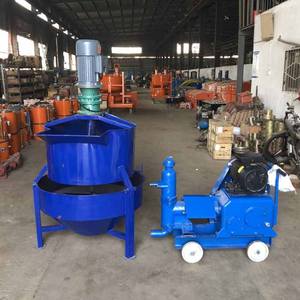
Unlike conventional poured concrete, 3D-printed concrete must meet stringent rheological and setting requirements: it needs to flow smoothly through the printer nozzle yet retain its shape immediately after deposition. Achieving this balance is impossible without carefully selected admixture types. These concrete chemicals modify fresh and hardened properties to suit the unique demands of additive manufacturing.
2.1. Superplasticizers: Enabling Flow Without Segregation
At the heart of printable concrete formulations lies the superplasticizer in concrete—specifically, polycarboxylate ether (PCE)-based superplasticizers. These high-range water reducing admixtures drastically lower water content while maintaining exceptional workability, a necessity for extrusion through fine nozzles. Unlike older naphthalene or melamine-based variants, PCE superplasticizers offer superior slump retention and minimal air entrainment, ensuring consistent layer adhesion without bleeding or segregation.
The best admixture for concrete in 3D printing applications is often a tailored PCE formulation that acts as both a concrete water reducer and a viscosity-modifying agent. This dual functionality allows for high solids content—critical for early shape retention—while still enabling pumpability. Leading products like Chryso admixture lines leverage this chemistry to support industrial-scale printing operations.
2.2. Accelerating and Retarding Admixtures: Precision Control of Curing Time
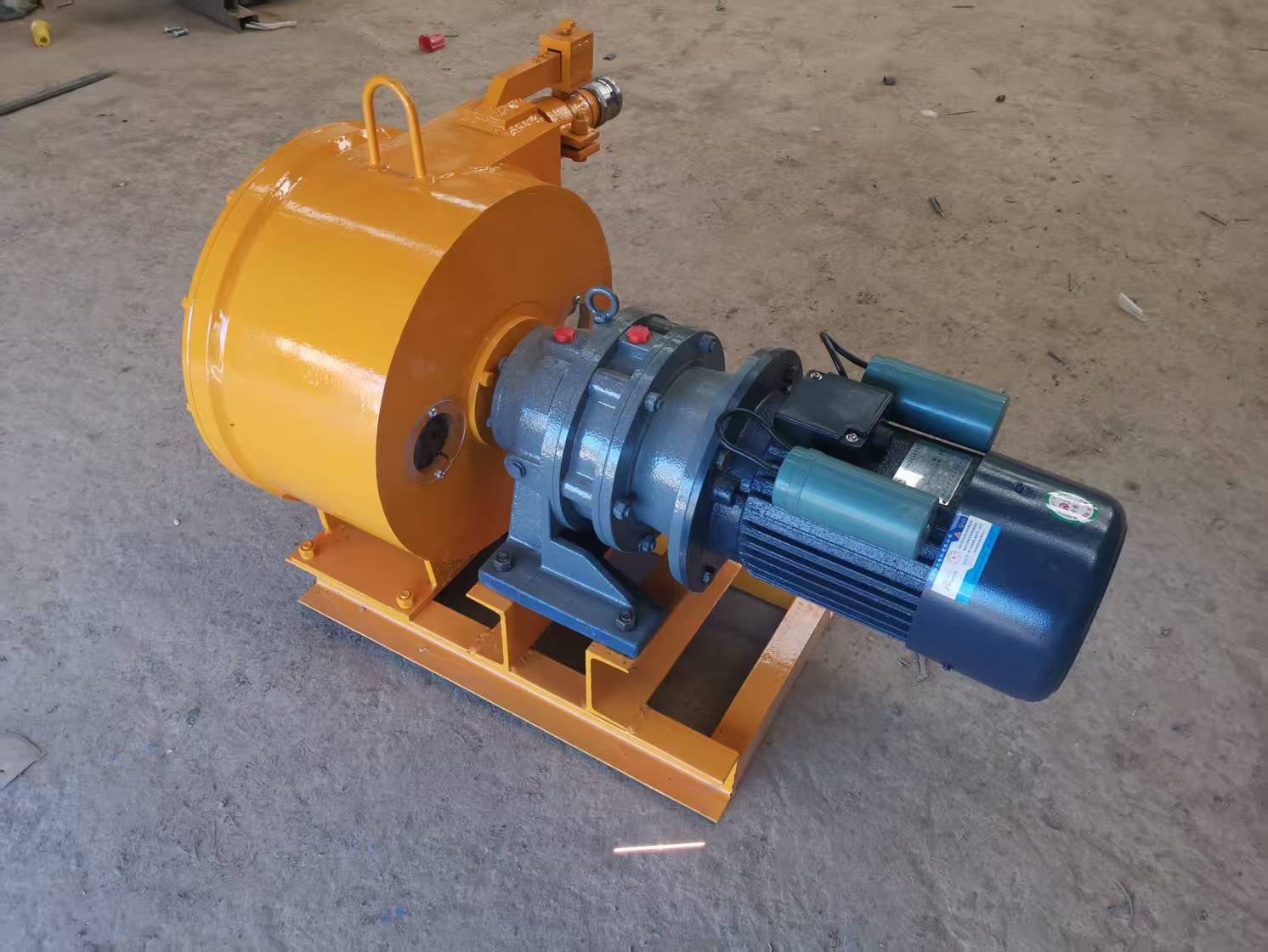
Timing is everything in 3D concrete printing. Each layer must set quickly enough to support the next but not so fast that it clogs the delivery system. Accelerating admixtures for concrete, such as calcium nitrate-based concrete accelerator curing time reducers, are dosed to initiate rapid stiffening post-extrusion. Conversely, concrete retarder admixtures may be used in the initial mix to extend open time during transport or setup.
Surface retarder concrete agents are also employed selectively to control interlayer bonding. This precise manipulation of setting behavior—unachievable with plain cement—demonstrates why chemical admixture for concrete is indispensable in digital fabrication.
2.3. Fiber Reinforcement: Structural Integrity Without Rebar
Traditional reinforcement like steel rebar is incompatible with 3D printing’s continuous extrusion process. Instead, engineers integrate reinforcement fiber for concrete directly into the mix. Polypropylene fibres for concrete, steel fibers for concrete, and even carbon fiber reinforcement in concrete provide tensile strength, crack resistance, and ductility.
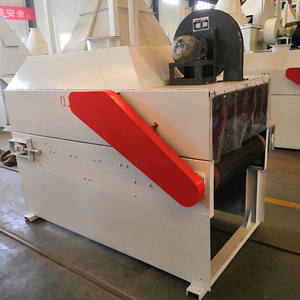
Macro fibers and microfibers serve complementary roles: polypropylene fibre improves impact resistance and reduces plastic shrinkage cracking, while steel fiber reinforced concrete enhances load-bearing capacity. Fibermesh concrete systems—using pp fiber concrete or hybrid blends—enable the production of structurally sound walls without secondary reinforcement, significantly cutting labor and material costs.
2.4. Waterproofing and Durability Enhancers
Exterior 3D-printed structures require long-term resilience against moisture. Integral waterproofer admixtures, including crystalline waterproofing admixture and cement waterproofing additive systems, react with cementitious components to form insoluble crystals that block capillary pores. These waterproof admix solutions eliminate the need for external membranes, streamlining construction timelines.
Air entraining admixture is generally avoided in 3D printing due to its tendency to reduce density and compressive strength, though controlled air entraining may be used in freeze-thaw environments. When applied, air entraining agents are carefully balanced to maintain print fidelity.
3. Real-World Applications and Market Trends
From emergency shelters to luxury villas, 3D-printed concrete is scaling rapidly. Companies like ICON and PERI have deployed mobile printers using proprietary mixes rich in superplasticizer admixture, concrete additives fiber, and fast curing concrete additives. Home Depot and specialty suppliers now stock targeted admixture chemical kits for small-scale builders, reflecting growing accessibility.
Moreover, innovations like coconut fiber reinforced concrete and foaming agent for foam concrete are being tested for lightweight printed elements. While white cement and colored concrete powders enable aesthetic customization, release agents ensure clean demolding from temporary supports.
4. Conclusion
The future of construction is being printed layer by layer—and admixtures are the invisible enablers making it possible. From polycarboxylate superplasticizer to polypropylene fibres for concrete, these advanced concrete chemicals solve the core challenges of extrudability, buildability, and durability. As 3D printing moves from prototype to mainstream, understanding and optimizing admixture used in concrete will remain pivotal for engineers, architects, and contractors alike.
Our Website founded on October 17, 2012, is a high-tech enterprise committed to the research and development, production, processing, sales and technical services of ceramic relative materials such as Advanced. Our products includes but not limited to Boron Carbide Ceramic Products, Boron Nitride Ceramic Products, Silicon Carbide Ceramic Products, Silicon Nitride Ceramic Products, Zirconium Dioxide Ceramic Products, etc. If you are interested, please feel free to contact us.