Professional solutions on concrete addtives, Concrete Foaming Agent, Superplasticizer, CLC Blocks Additives, and foaming machine

7 Must-Know Types of Concrete Admixtures and How They Transform Modern Construction
1. Introduction
Just 24 hours ago, a major breakthrough was announced by Chryso—a leading global supplier of concrete chemicals—revealing a new generation of polycarboxylate ether (PCE)-based superplasticizer that reduces water content by up to 40% while enhancing early strength. This innovation underscores how rapidly the field of concrete admixtures is evolving to meet sustainability and performance demands in modern construction.
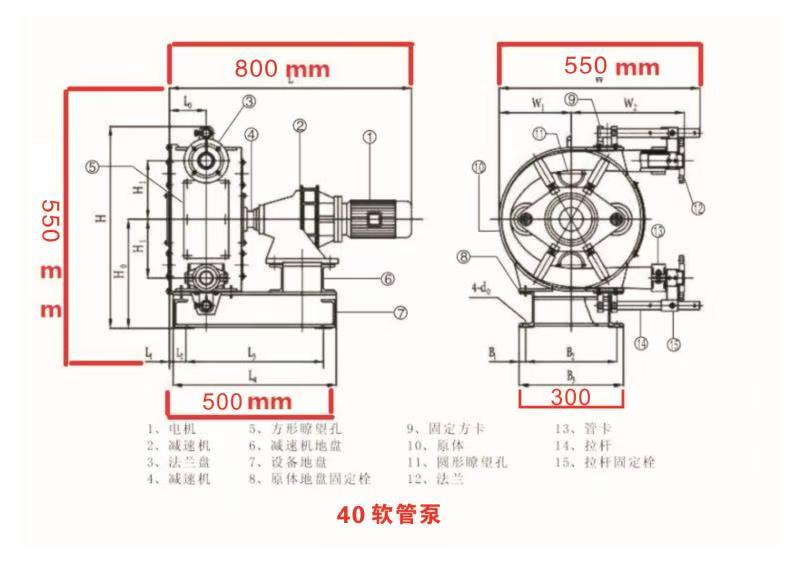
Whether you’re pouring a backyard patio or building a high-rise, the right admixture can make or break your project. But with dozens of options—from plasticizers to waterproofers to fibers—it’s easy to get overwhelmed. Let’s cut through the noise and explore the seven most impactful admixture types used in concrete today.
2. Superplasticizers: The Power Behind High-Performance Concrete
Superplasticizers, also called high-range water reducers, are among the most widely used chemical admixtures. They dramatically increase workability without adding extra water, which would weaken the final product.
Two dominant chemistries dominate this category: naphthalene-based superplasticizers (SNF) and polycarboxylate ether (PCE) superplasticizers. SNF admixtures are cost-effective and reliable but offer limited slump retention. In contrast, PCE-based superplasticizers provide superior flow, longer workability windows, and lower dosage requirements—making them the go-to for self-consolidating and ultra-high-performance concrete.
- Naphthalene sulfonate: Good for standard projects, moderate cost
- Polycarboxylate ether (PCE): Best for complex mixes, high durability needs
When choosing a superplasticizer admixture, consider factors like ambient temperature, cement type, and required setting time. PCE superplasticizers are increasingly favored as the ‘best admixture for concrete‘ in green building due to their efficiency and compatibility with supplementary cementitious materials.
3. Air-Entraining Admixtures: Boosting Freeze-Thaw Resistance
Air entraining concrete contains billions of microscopic air bubbles that act as pressure relief valves during freeze-thaw cycles. This is critical in cold climates where water expansion can crack unprotected concrete.
Air entraining admixtures—often derived from vinsol resin or synthetic surfactants—are added in tiny doses (typically 0.05–0.2% by weight of cement). They create stable, evenly distributed bubbles that improve durability without significantly reducing strength.
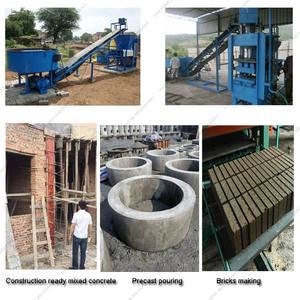
Key terms like air entraining agent, air entraining cement, and air entraining concrete all refer to this essential protection strategy. Never confuse it with accidental air (from poor mixing), which harms structural integrity.
4. Waterproofing Admixtures: Keeping Moisture Out from Within
Unlike surface sealers, integral waterproofers work from inside the concrete matrix. These include crystalline waterproofing admixtures and hydrophobic additives like silanes or stearates.
Crystalline waterproofing admixture reacts with water and unhydrated cement particles to form insoluble crystals that block capillary pores. This makes it ideal for basements, tunnels, and water tanks. Brands like Xypex and Penetron dominate this niche.
Other options include cement waterproofing additive formulations that repel water at a molecular level. When paired with proper curing, these concrete waterproofing additives deliver long-term resistance without maintenance.
5. Retarders and Accelerators: Controlling Cure Time Like a Pro
Concrete doesn’t always cure on your schedule. That’s where admixture retarder and concrete accelerator products come in.
Concrete retarder admixtures (like sugar-based or lignosulfonate compounds) delay hydration, useful in hot weather or for long hauls. Surface retarder concrete techniques even allow decorative stamping by keeping the surface soft while the interior sets.
On the flip side, accelerating admixtures for concrete—such as calcium chloride or non-chloride alternatives—speed up early strength gain. This is vital for fast-track projects or cold-weather pours where concrete accelerator curing time must be minimized.
6. Fiber Reinforcement: From Micro to Macro Protection
Fibers aren’t just add-ons—they’re game-changers. Whether it’s polypropylene fibres for concrete, steel fibers for concrete, or even experimental coconut fiber reinforced concrete, these reinforcement fibers reduce cracking, boost impact resistance, and sometimes eliminate the need for rebar.
Macro fibers (like steel or synthetic polymer strands) handle structural loads, while microfibers (e.g., polypropylene microfiber) control plastic shrinkage cracks. Fiber reinforced concrete is now standard in industrial floors, shotcrete, and even residential siding.
Speaking of siding—products like Hardie concrete siding and CertainTeed concrete siding rely on fiber cement technology (a blend of cement, sand, and cellulose or synthetic fibers) to mimic wood while offering fire and pest resistance. Concrete fiber siding cost remains competitive, especially given its 50+ year lifespan.
7. Specialty Additives: Foaming Agents, Colorants, and Release Aids
Beyond core performance, admixtures enable aesthetics and ease of use. Concrete foaming agents create lightweight cellular concrete (aircrete) for insulation blocks—protein-based or synthetic foaming agents determine bubble stability and density.
For decorative work, colored concrete powders and stamped concrete colors bring visual flair. Proper release agents—like water-based release sprays or powder release agents—prevent stamps from sticking while adding accent hues.
Don’t overlook white cement either. Used in white concrete countertops or architectural finishes, it pairs beautifully with tinted admixtures for custom looks. And yes, you can find universal white cement and superplasticizer combos at retailers like Home Depot.
8. Conclusion
From superplasticizer in concrete to fiberfor concrete mixes, modern admixtures do far more than tweak mix designs—they redefine what concrete can achieve. Whether you need faster curing, better flow, waterproofing, or crack resistance, there’s an admixture tailored to your challenge. As innovations like Chryso’s new PCE formulas hit the market, staying informed ensures your builds are stronger, greener, and smarter.
Our Website founded on October 17, 2012, is a high-tech enterprise committed to the research and development, production, processing, sales and technical services of ceramic relative materials such as 7. Our products includes but not limited to Boron Carbide Ceramic Products, Boron Nitride Ceramic Products, Silicon Carbide Ceramic Products, Silicon Nitride Ceramic Products, Zirconium Dioxide Ceramic Products, etc. If you are interested, please feel free to contact us.