Professional solutions on concrete addtives, Concrete Foaming Agent, Superplasticizer, CLC Blocks Additives, and foaming machine

Superplasticizers vs. Traditional Water Reducers: The Real Battle in Modern Concrete Admixtures
1. Introduction
Just 24 hours ago, a major breakthrough was announced by Chryso—a leading global supplier of concrete chemicals—unveiling a new generation of eco-friendly polycarboxylate superplasticizer that reduces cement usage by up to 25% without compromising strength. This innovation arrives amid surging demand for sustainable construction materials and highlights how far admixtures have come from simple plasticizers to high-performance, multifunctional concrete additives.
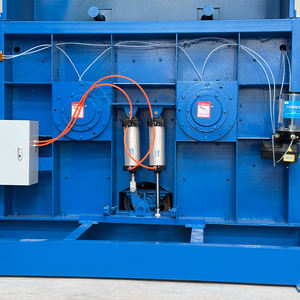
Concrete admixtures are no longer optional extras—they’re essential tools for controlling workability, durability, setting time, and even aesthetics. With dozens of admixture types on the market, choosing the right one can make or break a project. In this deep dive, we’ll compare two heavyweights in the water-reducing category: naphthalene-based water reducers and modern polycarboxylate ether (PCE) superplasticizers—and explore how other admixtures like air entraining agents, waterproofing additives, and fiber reinforcements fit into today’s concrete mix designs.
2. Water Reducing Admixtures: Old School vs. Next Gen
Water reducing admixtures have been used for decades to improve concrete flow without adding extra water—which weakens the final product. Among these, naphthalene sulfonate formaldehyde (NSF) condensates were once the industry standard. Known as naphthalene-based superplasticizers, they offer mid-to-high range water reduction (15–25%) and decent slump retention.
However, NSF admixtures come with drawbacks: they often cause rapid slump loss, require precise dosing, and contain formaldehyde—a concern for both workers and the environment. They also interact unpredictably with certain cements, leading to inconsistent results.
Enter polycarboxylate ether (PCE) superplasticizers—the gold standard in modern concrete technology. PCE-based superplasticizers deliver high-range water reduction (up to 40%), excellent workability retention, and compatibility with a wide range of cements and supplementary materials like fly ash or slag.
- PCE superplasticizers enable ultra-high-performance concrete (UHPC) and self-consolidating concrete (SCC).
- They’re more environmentally friendly, typically formaldehyde-free, and allow for lower water-cement ratios—boosting strength and durability.
- Though initially more expensive per liter, their efficiency often makes them more cost-effective overall.
3. Beyond Flow: Other Critical Admixture Types
While superplasticizers dominate discussions about workability, other admixture types play equally vital roles. Air entraining admixtures, for example, introduce microscopic air bubbles that protect concrete from freeze-thaw damage—essential in cold climates. These air entraining agents are different from foaming agents used in lightweight cellular concrete (like CLC blocks), which create larger, stable foam structures using protein- or synthetic-based foaming agents.
Concrete retarders and accelerators manage setting time. A concrete retarder admixture delays hydration—useful in hot weather or long hauls—while accelerating admixtures for concrete speed up early strength gain, crucial for fast-track projects. Note: surface retarder concrete is a specialized product used in exposed aggregate finishes, not to be confused with integral set retarders.
For durability, waterproofing admixtures are gaining traction. Crystalline waterproofing admixture reacts with moisture and unhydrated cement to form insoluble crystals that block capillary pores—offering integral, permanent protection. This differs from film-forming sealers or cement waterproofing additives that sit on the surface.
4. The Rise of Fiber Reinforcement and Specialty Additives
Fiber reinforcement is transforming structural and architectural concrete. From polypropylene fibres for concrete (used to control plastic shrinkage cracks) to steel fibers for concrete (enhancing post-crack load capacity), reinforcement fiber for concrete adds toughness without rebar in many applications.
Innovations like coconut fiber reinforced concrete and carbon fiber reinforcement in concrete are still niche but show promise for sustainable or high-strength needs. Meanwhile, products like fibermesh concrete combine micro and macro fibers for balanced performance.
Don’t overlook aesthetic additives. Colored concrete, stamped concrete colors, and release agents (like powder release agent for concrete or water-based release sprays) allow designers to mimic wood, stone, or brick—making concrete siding that looks like wood increasingly popular for modern homes. Brands like Hardie and CertainTeed lead this segment, though DIY options from Home Depot are rising.
5. Choosing the Best Admixture for Concrete in 2024
So, what’s the best admixture for concrete? It depends on your goals. For high-strength, low-permeability structures, a PCE superplasticizer combined with a crystalline waterproofing admixture offers unmatched performance. For cost-sensitive residential slabs, a mid-range water reducer with polypropylene fiber may suffice.
Always consider compatibility: not all superplasticizer admixtures work well with all cements or other chemical admixtures. Request a bio data sheet from suppliers like Chryso to verify performance under your specific conditions. Also, remember that ‘concrete additives’ isn’t a one-size-fits-all term—each admixture chemical serves a distinct purpose.
6. Conclusion
The world of concrete admixtures has evolved from simple plasticizers to sophisticated, multi-functional systems. While naphthalene-based water reducers still have a place, polycarboxylate superplasticizers represent the future—delivering superior performance, sustainability, and versatility. Paired with air entraining concrete solutions, integral waterproofers, and advanced fibers, today’s admixtures empower builders to create stronger, greener, and more beautiful concrete than ever before.
Our Website founded on October 17, 2012, is a high-tech enterprise committed to the research and development, production, processing, sales and technical services of ceramic relative materials such as Superplasticizers. Our products includes but not limited to Boron Carbide Ceramic Products, Boron Nitride Ceramic Products, Silicon Carbide Ceramic Products, Silicon Nitride Ceramic Products, Zirconium Dioxide Ceramic Products, etc. If you are interested, please feel free to contact us.