Professional solutions on concrete addtives, Concrete Foaming Agent, Superplasticizer, CLC Blocks Additives, and foaming machine

Superplasticizers vs. Traditional Water Reducers: The Real Differences in Modern Concrete Admixtures
1. Introduction
Just 24 hours ago, the American Concrete Institute (ACI) released updated guidelines emphasizing the shift toward low-carbon, high-efficiency concrete formulations—putting polycarboxylate-based superplasticizers at the forefront of sustainable construction. This move reflects a global trend where traditional chemical admixtures are being reevaluated in favor of next-generation solutions that offer better workability, strength, and environmental profiles.
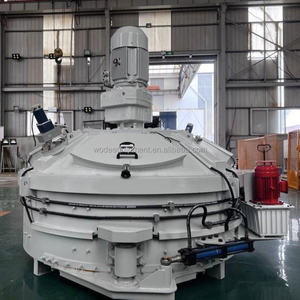
Concrete isn’t just cement, sand, and water anymore. Today’s mixes rely heavily on concrete admixtures—chemical or mineral additives that modify fresh or hardened properties. Among the most impactful are water reducing admixtures, especially superplasticizers. But not all superplasticizers are created equal. In this deep dive, we’ll compare naphthalene-based water reducers with modern polycarboxylate ether (PCE) superplasticizers, while also exploring how they stack up against other key admixture types like air entraining admixtures, concrete accelerators, and waterproofing additives.
2. Understanding Admixture Types
Admixtures used in concrete fall into two broad categories: chemical and mineral. Chemical admixtures include superplasticizers, accelerators, retarders, air-entraining agents, and waterproofing compounds. Mineral admixtures—like fly ash or silica fume—enhance durability and reduce cement content.
Among chemical admixtures, superplasticizers are arguably the most transformative. They dramatically increase flow without adding water, enabling high-strength, self-consolidating concrete. But choosing the best admixture for concrete depends on your project’s specific needs—whether it’s fast curing, freeze-thaw resistance, or long-term waterproofing.
2.1. Naphthalene-Based Water Reducers: The Legacy Workhorse
Naphthalene sulfonate formaldehyde condensate (NSF), often called SNF superplasticizer, has been a staple since the 1960s. As a mid-to-high range water reducer, it can cut water content by 15–20%, improving compressive strength and workability.
However, NSF has notable drawbacks. Its slump retention is poor—concrete loses fluidity quickly, requiring precise timing during placement. It’s also derived from petrochemicals, raising environmental concerns. Plus, it can cause discoloration in white concrete or architectural finishes, limiting its use in aesthetic applications.
- Slump loss within 30–60 minutes
- Moderate water reduction (15–20%)
- Incompatible with some cements and supplementary materials
- Not ideal for white cement or colored concrete projects
2.2. Polycarboxylate Ether (PCE) Superplasticizers: The Modern Standard
Polycarboxylate ether (PCE) superplasticizers represent the current gold standard. These synthetic polymers offer high-range water reduction (up to 40%), exceptional slump retention, and molecular-level control over particle dispersion.
PCE-based superplasticizers are highly tunable—manufacturers adjust side-chain length and density to match specific cement chemistries. This makes them ideal for ultra-high-performance concrete (UHPC), precast elements, and 3D-printed structures. They’re also more eco-friendly, with lower dosages and reduced carbon footprint per unit of strength gained.
Crucially, PCE superplasticizers work seamlessly with white cement, colored concrete, and fiber-reinforced mixes—including polypropylene fibre, steel fibers for concrete, and even experimental coconut fiber reinforced concrete.
- Water reduction up to 40%
- Excellent slump retention (2+ hours)
- Compatible with diverse cement types and additives
- Lower dosage = cost-effective despite higher upfront price
3. Beyond Superplasticizers: Other Critical Concrete Additives
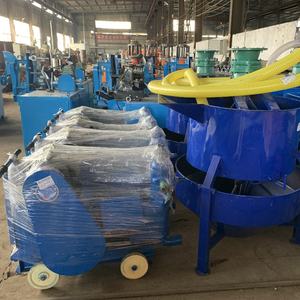
While superplasticizers dominate performance discussions, other admixtures play vital roles. Air entraining admixtures introduce microscopic air bubbles, crucial for freeze-thaw durability in cold climates. These air entraining agents create stable voids that prevent cracking when water expands during freezing.
Concrete accelerators shorten setting time—essential for fast curing concrete additives in winter pours or emergency repairs. Conversely, concrete retarder admixtures delay hydration, useful in hot weather or long-haul deliveries. Surface retarder concrete products even allow decorative stamping by slowing surface set while the core hardens.
For moisture-prone applications, waterproofing admixtures like crystalline waterproofing admixture or integral waterproofer provide long-term protection. Unlike surface coatings, these concrete waterproofing additives react internally to block capillary pores—making them ideal for basements, tunnels, and marine structures.
4. Practical Considerations: Cost, Compatibility, and Application
Choosing between naphthalene and PCE superplasticizers isn’t just about performance—it’s about context. While PCE superplasticizer price per kg may be higher, its efficiency often lowers total mix cost. Plus, brands like Chryso admixture offer tailored PCE formulations for specific regional cements.
Compatibility testing is non-negotiable. A superplasticizer that works perfectly with one cement may cause rapid slump loss with another. Always conduct trial batches when introducing new concrete chemicals.
For DIYers sourcing from retailers like Home Depot, look for labels specifying ‘polycarboxylate-based’ or ‘high-range water reducer.’ Avoid generic ‘plasticizer for concrete’ products—they may be outdated lignosulfonates with minimal effect.
Also note: fiber reinforcement—whether polypropylene fibres for concrete or steel fiber reinforced concrete—requires compatible superplasticizers to maintain workability. PCE admixtures generally integrate better with fibers than older types.
5. Conclusion
The evolution from naphthalene-based water reducers to advanced PCE superplasticizers marks a leap in concrete technology. While traditional admixtures still have niche uses, polycarboxylate ether superplasticizers deliver superior performance, sustainability, and versatility—aligning perfectly with today’s demands for resilient, efficient, and eco-conscious construction. Whether you’re pouring a driveway, designing a skyscraper, or installing modern concrete siding, understanding these admixture types ensures smarter, stronger results.
Our Website founded on October 17, 2012, is a high-tech enterprise committed to the research and development, production, processing, sales and technical services of ceramic relative materials such as Superplasticizers. Our products includes but not limited to Boron Carbide Ceramic Products, Boron Nitride Ceramic Products, Silicon Carbide Ceramic Products, Silicon Nitride Ceramic Products, Zirconium Dioxide Ceramic Products, etc. If you are interested, please feel free to contact us.