Professional solutions on concrete addtives, Concrete Foaming Agent, Superplasticizer, CLC Blocks Additives, and foaming machine

What Are Admixtures and How Do They Transform Modern Concrete?
1. Introduction
Just 24 hours ago, the global construction chemicals market saw a major announcement: a leading manufacturer unveiled a new generation of eco-friendly superplasticizers made from bio-based polycarboxylate ether (PCE). This innovation reflects a growing trend—using advanced admixtures not just to improve concrete performance, but to reduce carbon footprints and support greener infrastructure. In this context, understanding what admixtures are and how they work has never been more relevant.
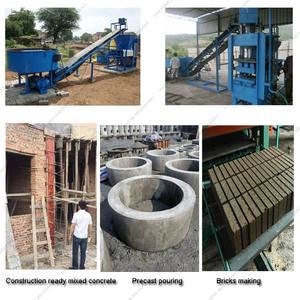
Admixtures—often called ‘concrete additives’—are materials added to concrete before or during mixing to modify its properties. Whether you’re pouring a driveway, building a skyscraper, or installing modern concrete siding, the right admixture can make all the difference in strength, curing time, weather resistance, and even appearance.
2. What Are Admixtures?
Admixtures are substances other than water, aggregates, and cement that are added to concrete mixtures to enhance specific characteristics. These can be chemical or mineral in nature and are used in small quantities—typically less than 5% by weight of cement—but deliver outsized benefits.
The term ‘ad mixtures’ (sometimes written as two words) is common in casual use, but industry standards refer to them as ‘admixture’ or ‘concrete admixture.’ They fall into two broad categories: chemical admixtures and mineral admixtures.
3. Major Types of Concrete Admixtures
3.1 Water-Reducing Admixtures
Water reducing admixtures, also known as concrete water reducers, decrease the water content needed for a given slump (workability), boosting strength without compromising flow. High-range water reducers are essentially superplasticizers.
- Superplasticizer in concrete improves fluidity while cutting water usage by up to 30%.
- Common types include polycarboxylate ether (PCE), naphthalene-based, and melamine-based superplasticizers.
- PCE superplasticizer is now the gold standard due to its efficiency and compatibility with modern cements.
3.2 Accelerating and Retarding Admixtures
Concrete accelerator admixtures speed up setting and early-strength development—ideal for cold weather or fast-track projects. They reduce concrete accelerator curing time significantly.
On the flip side, concrete retarder admixtures delay hydration, useful in hot climates or for long hauls. Surface retarder concrete is a specialty type used in exposed-aggregate finishes.
3.3 Air-Entraining Admixtures
Air entraining concrete contains microscopic air bubbles introduced by air entraining agents. These bubbles improve freeze-thaw resistance and reduce scaling.
An air entraining admixture is crucial in regions with harsh winters. It’s different from foaming agents used in lightweight cellular concrete—it creates stable, tiny voids, not large foam cells.
3.4 Waterproofing Admixtures
From integral waterproofer to crystalline waterproofing admixture, these additives block moisture penetration from within the concrete matrix.
- Concrete waterproofing additive options include hydrophobic chemicals and reactive crystalline compounds.
- Cement waterproofing additive and waterproof admix products are widely used in basements, tunnels, and water tanks.
- Admixture waterproofing is often more durable than surface coatings because it works throughout the slab.
4. Fiber Reinforcement and Specialty Additives
Fibers for concrete—like polypropylene fibres, steel fibers, or even coconut fiber—add tensile strength and crack resistance. This leads to fiber reinforced concrete, commonly used in industrial floors and seismic zones.
Macro fibers and microfibers serve different purposes: macro fibers control structural cracking, while microfibers reduce plastic shrinkage.
Products like Fibermesh concrete or steel fiber reinforced concrete eliminate or reduce the need for traditional rebar in some applications.
Note: While ‘concrete fiber siding’ and ‘fibercement siding’ sound related, they’re distinct. Hardie concrete siding and CertainTeed concrete siding are exterior cladding products—not structural concrete with fiber reinforcement.
5. Aesthetic and Functional Enhancers
Beyond performance, admixtures also enable design flexibility. Colored concrete uses pigments mixed directly into the batch. Stamped concrete colors—from charcoal to terra cotta—are achieved with color hardeners and release agents.
Concrete release agent (powder or spray) prevents stamps from sticking during patterning. Popular options include water-based release agents and powder release agents that also add accent colors.
White cement is another aesthetic tool—used for white concrete countertops, bright facades, or decorative elements. It’s more expensive than gray Portland cement but offers unmatched brightness and clean finishes.
6. Foaming Agents and Lightweight Concrete
Foaming agent for foam concrete (also called CLC foaming agent) creates air-filled voids, producing lightweight blocks or insulating fills. Protein-based and synthetic foaming agents are common, with prices varying by region and performance specs.
Unlike air-entraining admixtures, these foaming agents generate larger, unstable bubbles meant to reduce density—not improve durability.
7. Choosing the Best Admixture for Concrete
The best admixture for concrete depends on your project goals:
- Need high flow? Go for a superplasticizer admixture like PCE-based products.
- Working in winter? Use accelerating admixtures for concrete.
- Building a water tank? Opt for a crystalline waterproofing admixture.
- Pouring decorative stamped concrete? Combine color powder, release agents, and possibly a retarder for texture control.
Brands like Chryso admixture offer tailored solutions, but always check compatibility with your cement type and local conditions.
8. Conclusion
Admixtures have revolutionized concrete—from making it stronger and more durable to enabling stunning architectural finishes. Whether you’re using a simple concrete water reducer or advanced fiberfor concrete mixes, these additives are essential tools in modern construction. As sustainability drives innovation, expect even smarter, greener admixture chemical formulations to shape the future of concrete.
Our Website founded on October 17, 2012, is a high-tech enterprise committed to the research and development, production, processing, sales and technical services of ceramic relative materials such as What. Our products includes but not limited to Boron Carbide Ceramic Products, Boron Nitride Ceramic Products, Silicon Carbide Ceramic Products, Silicon Nitride Ceramic Products, Zirconium Dioxide Ceramic Products, etc. If you are interested, please feel free to contact us.