Professional solutions on concrete addtives, Concrete Foaming Agent, Superplasticizer, CLC Blocks Additives, and foaming machine

Admixtures Are the Secret Sauce Behind High-Performance Concrete
1. Introduction
Ever wonder how skyscrapers stand tall, bridges last decades, or driveways look like natural stone? The answer often lies not just in cement and aggregate—but in admixtures. These specialized concrete additives fine-tune everything from pourability to curing speed, water resistance, and even color.
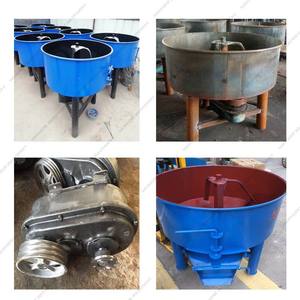
Admixtures are now essential in modern construction. Whether you’re mixing a backyard patio or pouring high-rise foundations, the right admixture can make your concrete stronger, smoother, faster-setting, or more weather-resistant. Let’s break down what they are, why they matter, and which ones do what.
2. What Are Admixtures?
Admixtures—sometimes called ad mixtures—are ingredients added to concrete before or during mixing to modify its properties. They fall into two main categories: chemical admixtures (like superplasticizers and accelerators) and mineral admixtures (like fly ash or silica fume).
Used in tiny doses—often less than 5% by weight of cement—these concrete chemicals deliver outsized performance gains. From reducing water content to adding air bubbles for freeze-thaw resistance, admixtures solve real-world problems on job sites every day.
3. Common Types of Concrete Admixtures
There’s no one-size-fits-all when it comes to admixture types. Builders choose based on climate, project specs, and desired outcomes. Here’s a quick guide to the most widely used categories:
- Water reducing admixtures: Cut water content while maintaining workability. Includes mid-range and high-range options like polycarboxylate ether (PCE) superplasticizers.
- Superplasticizer admixture: Also known as super plasticizers or concrete water reducers, these dramatically increase flow without extra water. PCE-based superplasticizers are today’s gold standard for high-strength mixes.
- Concrete accelerator: Speeds up setting and early strength gain—ideal for cold weather or fast-track projects. Often used with concrete accelerator curing time in mind.
- Concrete retarder: Slows hydration, useful in hot climates or for long hauls. A surface retarder concrete helps create exposed-aggregate finishes.
- Air entraining admixture: Adds microscopic air bubbles to improve freeze-thaw durability. Also called air entraining agent or air entraining concrete additive.
- Waterproofing admixture: Includes integral waterproofer, crystalline waterproofing admixture, and cement waterproofing additive to block moisture penetration.
- Fiber reinforcement: Fibers for concrete—like polypropylene fibre, steel fibers for concrete, or coconut fiber reinforced concrete—boost crack resistance and toughness.
4. Superplasticizers: The Game-Changer
Among all concrete additives, superplasticizers stand out. These high-range water reducers allow for ultra-low water-cement ratios, yielding stronger, denser concrete without sacrificing workability.
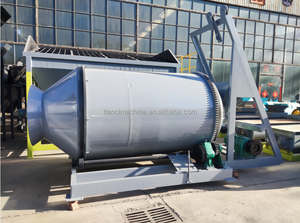
Modern superplasticizer in concrete is typically based on polycarboxylate ether (PCE), offering better slump retention than older naphthalene or melamine types. Brands like Chryso admixture lead the market, but many generic PCE superplasticizers perform just as well.
Whether you call it a plasticizer for concrete, concrete plasticiser, or superplasticizer admixture for concrete, this additive is critical for self-consolidating concrete, precast elements, and high-performance applications.
5. Waterproofing and Durability Boosters
Moisture is concrete’s enemy. That’s where waterproof admix solutions shine. A concrete waterproofing additive—like an integral waterproofer or crystalline admixture—reacts internally to seal capillaries and microcracks.
Unlike surface coatings, admixture waterproofing works throughout the slab. Products labeled concrete waterproof admix or waterproofing admixture for concrete are especially popular in basements, tunnels, and marine structures.
6. Fibers: Beyond Traditional Reinforcement
Fiber reinforced concrete is revolutionizing how we think about cracking and impact resistance. Options range from macro fibers for structural toughness to microfibers for surface integrity.
Polypropylene fibres for concrete prevent plastic shrinkage cracks, while steel fiber reinforced concrete enhances post-crack load capacity. Even natural options like coconut fibre concrete are gaining traction in sustainable builds.
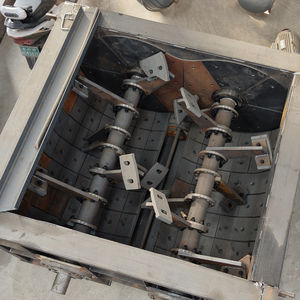
Don’t confuse this with concrete fiber siding—a completely different product used for home exteriors (e.g., Hardie concrete siding or CertainTeed concrete siding that looks like wood).
7. Specialty Additives for Aesthetics and Function
Want colored concrete? Use tinted concrete powders or stamped concrete colors with a compatible release agent. Gray, charcoal, terra cotta, or white stamped concrete can mimic brick, stone, or wood—all with the right pigment and mold release spray.
Foaming agents create lightweight cellular concrete (aircrete) for insulation blocks. CLC foaming agents—protein-based or synthetic—generate stable foam for CLC blocks.
And don’t forget white cement! Used in white concrete countertops, decorative mortar, or bright architectural finishes, it pairs well with superplasticizers for smooth, elegant results.
8. Choosing the Best Admixture for Concrete
The best admixture for concrete depends on your goals. Need fast curing? Go for accelerating admixtures for concrete. Pouring in summer heat? A concrete retarder admixture keeps things manageable.
For high-flow applications, a PCE-based superplasticizer is unmatched. For wet environments, prioritize a crystalline waterproofing admixture. Always consult technical data sheets and consider compatibility—especially when blending multiple concrete chemicals.
9. Conclusion
Admixtures aren’t just optional extras—they’re precision tools that turn ordinary concrete into engineered material. From superplasticizers that enable skyscraper cores to air-entraining agents that protect northern highways, these additives shape the built world.
Whether you’re a contractor, DIYer, or architect, understanding admixture used in concrete helps you build smarter, faster, and longer-lasting structures. So next time you see flawless concrete, remember: the magic is in the mix.
Our Website founded on October 17, 2012, is a high-tech enterprise committed to the research and development, production, processing, sales and technical services of ceramic relative materials such as Admixtures. Our products includes but not limited to Boron Carbide Ceramic Products, Boron Nitride Ceramic Products, Silicon Carbide Ceramic Products, Silicon Nitride Ceramic Products, Zirconium Dioxide Ceramic Products, etc. If you are interested, please feel free to contact us.