Professional solutions on concrete addtives, Concrete Foaming Agent, Superplasticizer, CLC Blocks Additives, and foaming machine

Admixtures Are Revolutionizing Modern Concrete—Here’s Everything You Need to Know
1. Introduction
Just 24 hours ago, a major infrastructure project in Texas broke ground using an advanced concrete mix featuring next-generation polycarboxylate ether (PCE) superplasticizers and crystalline waterproofing admixtures—highlighting how modern admixtures are transforming the speed, strength, and sustainability of construction. As demand for high-performance, eco-friendly concrete rises, understanding admixtures has never been more critical.
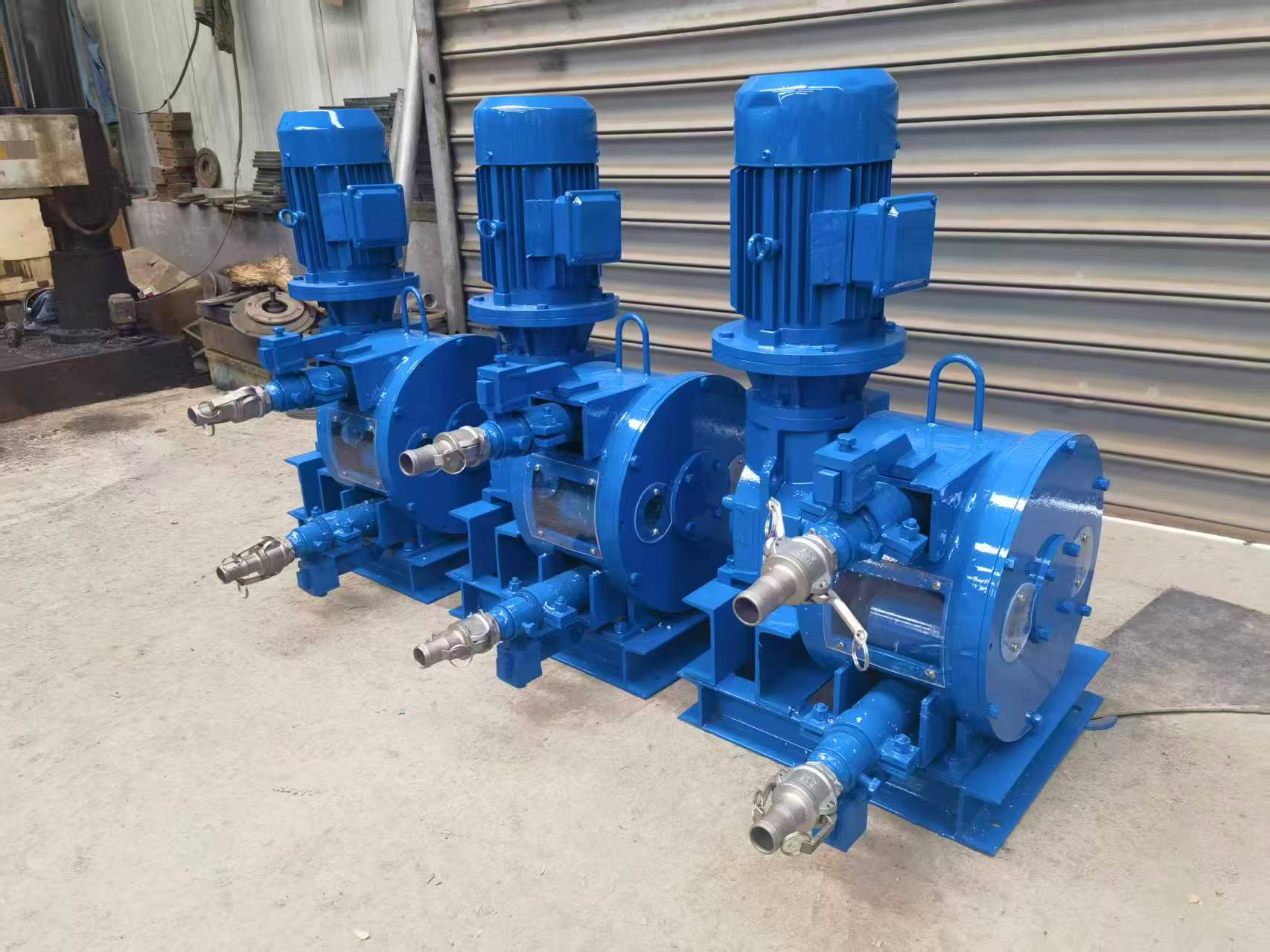
Whether you’re a contractor, engineer, or DIY enthusiast, knowing which admixture used in concrete delivers the right balance of workability, curing time, and durability can make or break your project. Let’s dive into the world of concrete additives and uncover the best admixture for concrete across different scenarios.
2. What Are Admixtures?
Admixtures—sometimes spelled ‘ad mixtures’—are chemical or mineral ingredients added to concrete before or during mixing to modify its properties. These concrete chemicals aren’t just fillers; they’re precision-engineered solutions that enhance everything from flowability to freeze-thaw resistance.
Unlike traditional cement, which relies solely on water and aggregates, modern mixes often include multiple admixtures to meet specific performance goals. Think of them as the ‘secret sauce’ behind fast-curing sidewalks, waterproof basements, and even colored stamped driveways.
3. Common Types of Concrete Admixture
Concrete admixture types fall into two broad categories: chemical and mineral. Chemical admixtures include liquids or powders like superplasticizers and accelerators, while mineral admixtures—such as fly ash or silica fume—are finely ground materials that improve long-term strength and reduce permeability.
Here’s a quick look at key admixture types:
- Water reducing admixtures (including mid-range and high-range water reducers)
- Superplasticizer admixture (also called super plasticizers or concrete superplasticizer additive)
- Concrete accelerator and concrete retarder admixtures
- Air entraining admixture (or air entraining agent)
- Waterproofing admixture (like integral waterproofer or crystalline waterproofing admixture)
- Fiber reinforcement (polypropylene fibres, steel fibers, etc.)
- Foaming agents for lightweight concrete
4. Superplasticizers: The Game-Changer in Concrete Flow
Superplasticizer in concrete is arguably the most impactful innovation in recent decades. These high-range water reducers—especially polycarboxylate ether (PCE) types—allow for dramatically reduced water content while maintaining excellent workability.
Why does this matter? Less water means higher strength, lower porosity, and better durability. PCE-based superplasticizers outperform older naphthalene or melamine sulfonate versions, offering longer slump retention and compatibility with modern cements.
Contractors often search for the ‘best superplasticizer for concrete’ when pouring complex structures like high-rise columns or self-consolidating concrete. Brands like Chryso admixture lead the market, but many generic PCE superplasticizers deliver similar performance at lower cost.
5. Controlling Time: Accelerators vs. Retarders
Need concrete to set fast? Use an accelerating admixtures for concrete to shorten curing time—ideal for cold-weather pours or emergency repairs. These concrete accelerator curing time reducers help achieve early strength without compromising final integrity.
On the flip side, a concrete retarder admixture (or surface retarder concrete) delays setting, giving crews more time to finish large slabs or work in hot climates. Admixture retarder formulas are essential for decorative stamped concrete, where timing affects pattern clarity.
6. Air Entraining and Waterproofing Solutions
Air entraining concrete contains microscopic air bubbles created by air entraining admixture. This improves resistance to freeze-thaw cycles—critical in northern climates. Look for terms like ‘air entraining cement’ or ‘air entraining agent’ on product labels.
For moisture-prone areas, a concrete waterproofing additive is non-negotiable. Options include cement waterproofing additive, integral waterproofer, and crystalline waterproofing admixture. Unlike surface sealers, these admixture waterproofing solutions work from within, blocking capillary pathways.
Popular choices include waterproof admix products that also enhance durability without affecting color—perfect for white concrete countertops or exposed architectural elements.
7. Fiber Reinforcement: Beyond Steel Rebar
Fibers for concrete—like polypropylene fibre, steel fibers for concrete, or even coconut fiber reinforced concrete—add tensile strength and crack control. Fiber reinforced concrete is now standard in industrial floors, shotcrete, and even residential siding.
Speaking of siding: concrete fiber siding (also called fibercement siding or fiber concrete siding) mimics wood grain while resisting rot and fire. Brands like Hardie and CertainTeed dominate this space, offering concrete siding that looks like wood at competitive concrete siding cost.
Macro fibers and microfibers serve different roles—macro for structural reinforcement, micro for plastic shrinkage control. Whether you choose pp fiber concrete or carbon fiber reinforced concrete depends on load requirements and budget.
8. Specialty Additives: Color, Foam, and Release Agents
Want colored concrete? Powder concrete colorants and stamped concrete colors (from charcoal to terra cotta) let you customize patios and walkways. Use a concrete release agent—like powder release agent or spray release—to prevent stamps from sticking during patterning.
For lightweight builds, a concrete foaming agent creates aircrete or CLC blocks. Protein-based or synthetic foaming agents generate stable foam for cellular concrete equipment, reducing weight without sacrificing insulation.
And don’t forget white cement—it’s not just for tiles! White concrete mix is trending in modern architecture, especially for countertops and facades, often paired with superplasticizer to maintain fluidity.
9. Choosing the Right Admixture
The best admixture for concrete depends on your project’s climate, timeline, and design goals. Ask:
- Do I need faster curing? → concrete accelerator
- Is workability low? → superplasticizer or plasticizer for concrete
- Will it face moisture? → waterproofing admixture for concrete
- Am I stamping or coloring? → release agent + concrete stain powder
Always check compatibility between admixtures—some combinations can cause unexpected reactions. Consult technical data sheets (sometimes called bio data sheet in industry slang) before mixing.
10. Conclusion
From superplasticizer admixture boosting skyscraper strength to air entraining concrete surviving Arctic winters, admixtures are the unsung heroes of modern construction. As innovations like PCE superplasticizers and crystalline waterproofing spread, even small projects benefit from industrial-grade performance.
Whether you’re buying from Home Depot concrete siding sections or sourcing cement admixture online, understanding these concrete additives ensures smarter, stronger, and more beautiful builds.
Our Website founded on October 17, 2012, is a high-tech enterprise committed to the research and development, production, processing, sales and technical services of ceramic relative materials such as Admixtures. Our products includes but not limited to Boron Carbide Ceramic Products, Boron Nitride Ceramic Products, Silicon Carbide Ceramic Products, Silicon Nitride Ceramic Products, Zirconium Dioxide Ceramic Products, etc. If you are interested, please feel free to contact us.