Professional solutions on concrete addtives, Concrete Foaming Agent, Superplasticizer, CLC Blocks Additives, and foaming machine

7 Must-Know Types of Concrete Admixtures and How They Transform Modern Construction
1. Introduction
Just 24 hours ago, a major breakthrough in sustainable construction was announced: researchers at ETH Zurich unveiled a new polycarboxylate ether (PCE)-based superplasticizer that reduces cement usage by up to 30% without compromising strength. This innovation highlights how critical concrete admixtures have become in modern building practices—not just as additives, but as performance game-changers.
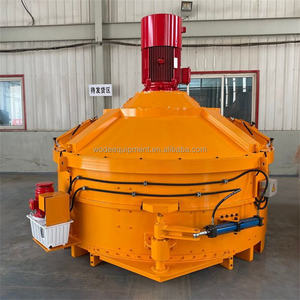
Concrete admixtures—often called ‘concrete chemicals’ or ‘ad mixtures’—are substances added to concrete during mixing to modify its properties. From speeding up curing time to making concrete waterproof or more workable, these additives solve real-world challenges on job sites worldwide.
In this deep dive, we’ll compare seven essential admixture types, unpack their pros and cons, and reveal which ones deliver the best results for specific applications.
2. Superplasticizers: The Workability Revolution
Superplasticizers (also known as high-range water reducers) are among the most widely used concrete admixtures today. They dramatically increase fluidity without adding extra water—critical for achieving high-strength, durable concrete.
Two dominant chemistries dominate this category: naphthalene-based superplasticizers and polycarboxylate ether (PCE) superplasticizers.
- Naphthalene sulfonate-based superplasticizers offer strong water reduction (15–25%) and are cost-effective, but they can cause faster slump loss and aren’t ideal for long-haul deliveries.
- Polycarboxylate ether (PCE) superplasticizers provide superior slump retention, higher water reduction (up to 40%), and better compatibility with modern cements. They’re the go-to for self-consolidating concrete and precast applications.
Brands like Chryso admixture often use PCE technology due to its efficiency and environmental profile. For anyone asking, ‘What’s the best superplasticizer for concrete?’—PCE-based options usually win for performance, though budget projects may still rely on naphthalene or melamine variants.
3. Air Entraining Admixtures: Freeze-Thaw Protection
Air entraining concrete contains microscopic air bubbles intentionally introduced via air entraining admixtures (or air entraining agents). These bubbles act as pressure relief valves during freeze-thaw cycles, preventing cracking and spalling.
Common in cold-climate infrastructure like bridges and pavements, air entraining cement improves durability significantly. However, too much entrained air can reduce compressive strength—typically by 5% per 1% air content.
Key takeaway: Use air entraining admixture when durability in wet, freezing conditions is a priority—but always test air content on-site.
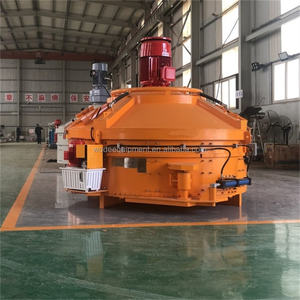
4. Waterproofing Admixtures: Keeping Moisture Out
From basements to rooftops, waterproofing admixtures protect structures from water ingress. Two main types exist: integral waterproofers and crystalline waterproofing admixtures.
Integral waterproofer products react with cement to block capillary pores, while crystalline systems grow insoluble crystals inside the concrete matrix over time—even self-healing small cracks.
Concrete waterproof admix solutions like cement waterproofing additive or waterproof admix are especially valuable in below-grade applications. Unlike surface coatings, they work throughout the entire slab, offering long-term protection without maintenance.
5. Accelerators and Retarders: Controlling Cure Time
Concrete accelerator and concrete retarder admixtures give you precise control over setting time.
Accelerating admixtures for concrete (like calcium chloride or non-chloride alternatives) shorten curing time—ideal for cold weather or fast-track projects. They directly impact concrete accelerator curing time, enabling earlier form removal or traffic loading.
On the flip side, concrete retarder admixture (or surface retarder concrete for decorative finishes) delays hydration, useful in hot climates or for large pours where you need extended workability.
Choosing between them depends on ambient temperature, logistics, and finish requirements.
6. Fiber Reinforcement: Beyond Steel Rebar
Fibers for concrete—ranging from polypropylene fibres for concrete to steel fibers for concrete—add tensile strength, reduce cracking, and improve impact resistance.
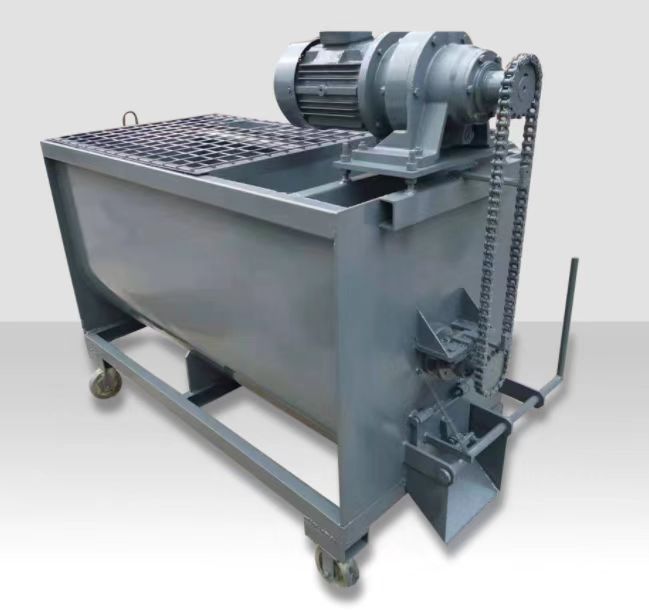
Macro fibers (like steel or synthetic) enhance structural performance, while microfibers (e.g., polypropylene) control plastic shrinkage cracks.
Innovations include coconut fiber reinforced concrete for eco-friendly builds and carbon fiber reinforcement in concrete for ultra-high-performance applications. Fiber reinforced concrete is now standard in industrial floors, shotcrete, and even modern concrete siding.
Homeowners exploring concrete siding options—like Hardie concrete siding or CertainTeed concrete siding—often benefit from fiberfor concrete mixes that mimic wood grain while resisting rot and pests.
7. Foaming Agents & Specialty Additives
Foaming agent for foam concrete enables lightweight cellular concrete (CLC), used in insulation blocks and void filling. Protein-based foaming agents offer stability, while synthetic types provide consistent bubble structure.
Other niche additives include concrete release agents (powder or spray) for stamped concrete, colored concrete powders for aesthetic finishes, and white cement for architectural elements like countertops or decorative panels.
Even DIYers can find concrete additives fiber or homemade foaming agent for concrete at retailers like Home Depot—though professional-grade admixture chemical products yield more reliable results.
8. Conclusion
The right admixture used in concrete can turn an ordinary mix into a high-performance, durable, and sustainable building material. Whether you need a superplasticizer in concrete for pumpability, an air entraining admixture for winter resilience, or a crystalline waterproofing admixture for a basement, understanding admixture types is key.
As new formulations like PCE superplasticizers and bio-based fibers emerge, the future of concrete lies not just in cement—but in smart chemistry. Always match your choice of concrete admixture to your project’s environmental, structural, and aesthetic goals.
Our Website founded on October 17, 2012, is a high-tech enterprise committed to the research and development, production, processing, sales and technical services of ceramic relative materials such as 7. Our products includes but not limited to Boron Carbide Ceramic Products, Boron Nitride Ceramic Products, Silicon Carbide Ceramic Products, Silicon Nitride Ceramic Products, Zirconium Dioxide Ceramic Products, etc. If you are interested, please feel free to contact us.