Professional solutions on concrete addtives, Concrete Foaming Agent, Superplasticizer, CLC Blocks Additives, and foaming machine

7 Niche Applications of Concrete Admixtures Revolutionizing Modern Construction
1. Introduction
In a groundbreaking development reported just hours ago, researchers at ETH Zurich unveiled a new ultra-high-performance concrete mix for 3D-printed pedestrian bridges that relies heavily on polycarboxylate ether (PCE)-based superplasticizers and tailored mineral admixtures to achieve precise extrusion and rapid setting. This innovation underscores how niche applications of concrete admixtures are pushing the boundaries of what’s possible in modern construction.
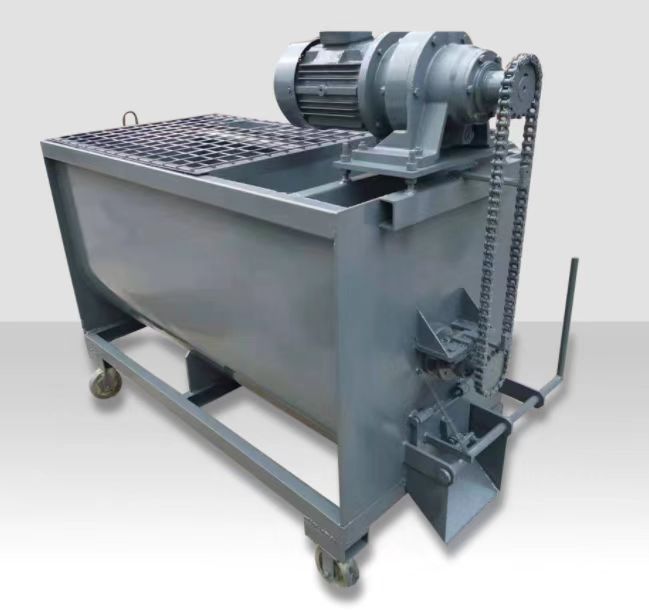
Concrete admixtures—chemical or mineral additives blended into concrete to modify its properties—are no longer limited to basic strength or setting-time adjustments. Today, they enable breakthroughs in sustainability, resilience, and design complexity across highly specialized sectors. From deep-sea infrastructure to carbon-neutral facades, admixtures are the unsung heroes of advanced concrete technology.
2. 3D-Printed Concrete: Precision Through Superplasticizers
Additive manufacturing in construction demands concrete with exceptional flow control and rapid stiffening. Standard mixes would slump or fail to hold layered geometry. Here, high-range water reducing admixtures—specifically PCE-based superplasticizers—are indispensable.
These superplasticizer admixtures reduce water content by up to 40% while maintaining fluidity, enabling smooth extrusion through print nozzles. Simultaneously, concrete accelerator curing time is fine-tuned using accelerating admixtures for concrete, ensuring each layer sets quickly without compromising bond strength. The result? Structures built faster, with less waste, and intricate geometries previously deemed impossible.
3. Underwater Concrete Placement: Stability via Air Entraining and Retarders
Marine construction—such as offshore wind turbine foundations or submerged tunnels—requires concrete that resists washout and maintains integrity in turbulent water. Traditional mixes disintegrate before hardening.
Specialized concrete retarder admixtures extend workability underwater, while air entraining admixtures introduce microscopic air bubbles that improve cohesion and reduce segregation. These air entraining agents also enhance freeze-thaw resistance once the structure is operational. Combined with integral waterproofer systems like crystalline waterproofing admixture, underwater concrete achieves long-term durability even in aggressive saline environments.
4. Fiber-Reinforced Architectural Siding: Strength Meets Aesthetics
Modern homes increasingly feature concrete fiber siding that mimics wood grain but offers superior fire and pest resistance. Brands like Hardie and CertainTeed rely on polypropylene fibres for concrete and steel fibers for concrete to prevent cracking during thermal cycling.
To ensure uniform dispersion and surface finish, plasticizer for concrete (often called concrete plasticiser) is added to improve workability without excess water. Additionally, concrete waterproof admix formulations—such as cement waterproofing additive or waterproofing admixture for concrete—protect against moisture intrusion, critical for exterior cladding. The outcome is low-maintenance, durable siding with realistic wood-like textures and competitive concrete siding cost metrics.
5. Lightweight Foam Concrete: Engineering Buoyancy with Foaming Agents
Foam concrete, used in insulation panels, void filling, and floating docks, depends entirely on concrete foaming agents to create stable cellular structures. Protein-based or synthetic foaming agents generate uniform air cells, drastically reducing density.
The best foaming agent for aircrete must produce consistent bubble size and resist collapse during curing. When paired with water reducing admixtures, foam concrete achieves optimal strength-to-weight ratios. CLC (Cellular Lightweight Concrete) blocks made this way offer excellent thermal performance and are gaining traction in green building projects worldwide.
6. Colored and Stamped Decorative Concrete: Release and Pigment Synergy
Architectural landscapes now feature charcoal stamped concrete, terra cotta concrete color, or white concrete pavers—all made possible through coordinated use of concrete additives. Powder concrete colorants are blended directly into the mix, while form release agents (often water-based release sprays) prevent stamp adhesion without marring surface detail.
Crucially, superplasticizer in concrete ensures even pigment distribution and minimizes surface defects. Without proper plasticizer admixture, colored concrete risks blotchiness or poor compaction under stamps. Today’s stamped concrete colors and patterns rival natural stone, thanks to these advanced chemical admixture for concrete systems.
7. White Cement Applications: Clarity Through Chemical Control
White Portland cement is prized for countertops, facades, and artistic installations. However, its sensitivity to impurities demands ultra-pure admixtures. Polycarboxylate superplasticizer is preferred over naphthalene-based alternatives to avoid yellowing.
Waterproof white cement formulations often include crystalline waterproofing admixture to maintain brightness while resisting stains. Even minor discoloration from incompatible admixture chemical residues can ruin aesthetics—making the selection of the best admixture for concrete critical in high-end finishes.
8. Conclusion
From ocean depths to printed bridges and elegant home exteriors, niche applications of concrete admixtures are transforming construction. Whether it’s a superplasticizer enabling robotic fabrication or an air entraining concrete mix surviving Arctic seas, these concrete chemicals solve real-world problems with precision. As sustainability and innovation drive the industry forward, understanding admixture types—and their specialized roles—will remain essential for engineers, architects, and builders alike.
Our Website founded on October 17, 2012, is a high-tech enterprise committed to the research and development, production, processing, sales and technical services of ceramic relative materials such as 7. Our products includes but not limited to Boron Carbide Ceramic Products, Boron Nitride Ceramic Products, Silicon Carbide Ceramic Products, Silicon Nitride Ceramic Products, Zirconium Dioxide Ceramic Products, etc. If you are interested, please feel free to contact us.