Professional solutions on concrete addtives, Concrete Foaming Agent, Superplasticizer, CLC Blocks Additives, and foaming machine

Superplasticizers and Specialty Admixtures Are Revolutionizing Fiber-Reinforced Concrete Siding
1. Introduction
Just 24 hours ago, James Hardie Industries announced a major expansion of its North American fiber cement siding production lines, citing surging demand for low-maintenance, fire-resistant home exteriors that mimic natural wood. Behind this boom isn’t just marketing—it’s advanced concrete chemistry. Specifically, the strategic use of high-performance admixtures is enabling thinner, stronger, and more weather-resistant concrete siding panels than ever before.
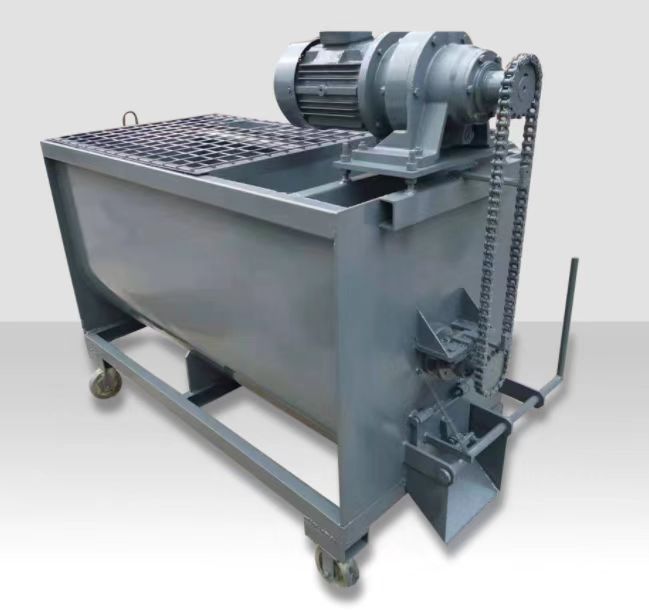
Today’s fiber-reinforced concrete siding—often called fibercement siding or concrete fiberboard siding—relies heavily on precisely engineered concrete additives to achieve its signature blend of aesthetics, durability, and ease of installation. From superplasticizers that improve flow without extra water to crystalline waterproofing admixtures that block moisture intrusion, these chemical innovations are quietly reshaping residential construction.
2. Why Admixtures Matter in Concrete Siding
Concrete siding may look simple, but manufacturing it at scale requires balancing multiple competing demands: workability during molding, rapid curing for throughput, long-term water resistance, and crack control under thermal stress. That’s where admixtures come in.
Unlike traditional poured concrete, fiber cement siding is typically made through an autoclave process using a slurry of Portland cement, silica, water, and cellulose or synthetic fibers. This mix must be fluid enough to coat fibers evenly yet stiff enough to hold shape during pressing and curing. Enter the best admixture for concrete in this niche: the superplasticizer.
2.1. Superplasticizers: The Workability Game-Changer
Superplasticizer in concrete—especially polycarboxylate ether (PCE)-based types—acts as a high-range water reducer, allowing manufacturers to slash water content by up to 40% while maintaining excellent flow. This is critical for fiber-reinforced concrete mixes, where excess water weakens the final product and increases drying time.
By using a superplasticizer admixture, producers achieve a dense, homogeneous matrix that fully encapsulates reinforcement fibers like polypropylene fibre or even coconut fiber reinforced concrete variants. The result? Enhanced flexural strength and reduced microcracking—key for thin panels exposed to wind and rain.
Modern formulations like PCE superplasticizer also offer better slump retention than older naphthalene or melamine-based versions, ensuring consistent quality across large production batches. For companies like CertainTeed or Hardie, this translates to fewer defects and lower waste.
2.2. Waterproofing and Durability Boosters
One of the biggest challenges with cement-based siding is long-term moisture management. Even small cracks can let water seep in, leading to freeze-thaw damage or efflorescence. To combat this, manufacturers integrate specialized concrete waterproofing additives.
Crystalline waterproofing admixture is increasingly popular. Unlike surface sealers, this integral waterproofer reacts with moisture and unhydrated cement particles to form insoluble crystals that self-seal micro-pores and hairline cracks over time. This ‘admixture waterproofing’ approach ensures protection throughout the panel—not just on the surface.
In tandem, air entraining admixture introduces microscopic air bubbles that improve freeze-thaw resistance—a must for homes in colder climates. These air entraining agents create a buffer against internal pressure when water expands during freezing, significantly extending service life.
2.3. Accelerators, Retarders, and Fiber Synergy
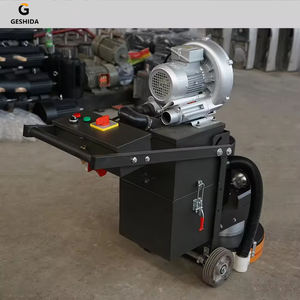
Production efficiency hinges on precise control of concrete accelerator curing time. Fast curing concrete additives—such as calcium nitrate-based accelerating admixtures for concrete—allow panels to reach handling strength in under 24 hours, speeding up factory throughput.
Conversely, in hot climates or during summer production runs, a concrete retarder admixture may be used to prevent premature setting. Surface retarder concrete techniques are also employed in textured finishes to expose aggregate or fiber patterns for visual appeal.
Fibers themselves—whether steel fibers for concrete, macro fibers, or polypropylene fibres for concrete—act as a form of mechanical admixture. They provide post-crack ductility and reduce shrinkage cracking. When combined with chemical admixtures like plasticizer for concrete or concrete water reducer, the synergy enhances both fresh and hardened properties.
3. Real-World Impact: Cost, Aesthetics, and Sustainability
Thanks to these advanced concrete chemicals, modern concrete siding now rivals wood in appearance—offering charcoal, terra cotta, brown, and even white stamped concrete looks—while costing less over time due to minimal maintenance. Home Depot and other retailers report strong sales of concrete siding that looks like wood, driven by homeowner interest in fire-resistant, termite-proof exteriors.
Moreover, using mineral admixture or recycled fibers (like coconut fibre concrete) aligns with green building trends. Lower water demand from superplasticizer use also reduces the carbon footprint per panel.
4. Conclusion
The humble concrete admixture is anything but minor in the world of fiber cement siding. From superplasticizers that enable ultra-thin, strong panels to crystalline waterproofing admixtures that ensure decades of weather resistance, these concrete additives are the unsung heroes behind today’s high-performance exteriors. As demand grows for sustainable, durable home materials, expect even smarter admixture formulations—like bio-based foaming agents or carbon fiber reinforcement in concrete—to enter the mix.
Our Website founded on October 17, 2012, is a high-tech enterprise committed to the research and development, production, processing, sales and technical services of ceramic relative materials such as Superplasticizers. Our products includes but not limited to Boron Carbide Ceramic Products, Boron Nitride Ceramic Products, Silicon Carbide Ceramic Products, Silicon Nitride Ceramic Products, Zirconium Dioxide Ceramic Products, etc. If you are interested, please feel free to contact us.