Professional solutions on concrete addtives, Concrete Foaming Agent, Superplasticizer, CLC Blocks Additives, and foaming machine

Superplasticizers vs. Traditional Water Reducers: The Future of High-Performance Concrete Admixtures Is Here
1. Introduction
Just 24 hours ago, global construction giant LafargeHolcim announced a strategic partnership with Chryso to scale up deployment of next-generation polycarboxylate ether (PCE) superplasticizers across North American infrastructure projects. This move signals a major industry shift toward high-efficiency, low-carbon concrete solutions—making now the perfect time to unpack how modern admixtures are reshaping construction. Whether you’re pouring a backyard patio or building a high-rise, understanding the nuances between superplasticizer types can dramatically impact strength, workability, and durability.
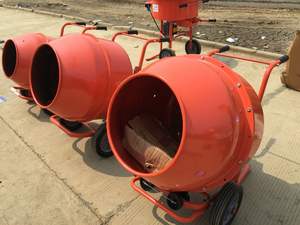
Concrete admixtures—also called concrete additives or ad mixtures—are chemical compounds added to concrete before or during mixing to modify its properties. From accelerating setting time to enhancing waterproofing or improving flow without extra water, these concrete chemicals solve real-world challenges. Among the most transformative are water reducing admixtures, especially superplasticizers, which have evolved far beyond basic plasticizers for concrete.
2. Superplasticizers: The Game-Changer in Concrete Technology
Superplasticizers—often referred to as high-range water reducers—are a class of concrete admixture that can reduce water content by 20–40% while maintaining or even improving workability. This leads to higher compressive strength, lower permeability, and enhanced durability. Unlike traditional plasticizer admixture formulas, modern super plasticizers rely on advanced polymer chemistry.
The three main generations include naphthalene-based superplasticizer (SNF), melamine-based (SMF), and the latest: polycarboxylate ether (PCE). While SNF and SMF dominated the market for decades, PCE-based superplasticizers now lead in performance and sustainability. They offer superior slump retention, lower dosage requirements, and compatibility with supplementary cementitious materials like fly ash or slag.
- Naphthalene sulfonate in concrete delivers strong initial fluidity but suffers from rapid slump loss.
- Melamine sulfonate superplasticizer provides good early strength but is less effective in hot weather.
- Polycarboxylate ether superplasticizer offers extended workability, ideal for ready-mix and long-haul applications.
3. Water Reducers vs. Superplasticizers: What’s the Real Difference?
Not all water reducers are superplasticizers. Mid-range water reducers cut water by 8–15%, suitable for moderate workability needs. In contrast, high range water reducer types like PCE superplasticizer drastically cut water while enabling self-consolidating concrete (SCC). This distinction matters when selecting the best admixture for concrete—especially in complex pours where vibration isn’t feasible.
For example, using a standard concrete water reducer might suffice for a simple slab, but a bridge deck requiring dense, impermeable concrete demands a superplasticizer in concrete with minimal water-cement ratio. Contractors increasingly favor PCE-based products not just for performance but also because they reduce cement usage, lowering CO₂ emissions—a key factor in green building certifications.
4. Beyond Flow: Specialty Admixtures for Durability and Aesthetics
While superplasticizers dominate performance discussions, other admixture types address critical needs like freeze-thaw resistance and waterproofing. Air entraining admixture introduces microscopic air bubbles that act as pressure relief valves during freezing, preventing cracking—an essential feature in cold climates. These air entraining agents are often used alongside accelerating admixtures for concrete to balance early strength gain with long-term resilience.
On the waterproofing front, integral waterproofer systems—especially crystalline waterproofing admixture—react with moisture to form insoluble crystals that block capillary pores. Unlike surface coatings, this admixture waterproofing becomes part of the matrix, offering lifelong protection. Cement waterproofing additive options like these are gaining traction over traditional membrane-based methods due to ease of use and reliability.
Meanwhile, fiber reinforced concrete is revolutionizing structural integrity. Adding polypropylene fibres for concrete or steel fibers for concrete reduces plastic shrinkage cracks and improves impact resistance. Whether it’s macro fibers for industrial floors or microfibers in countertops, concrete additives fiber enhance toughness without rebar. Home Depot and CertainTeed now stock fiberfor concrete mixes tailored for residential siding, including concrete fiber siding that mimics wood grain at a fraction of the maintenance cost.
5. Practical Considerations: Cost, Compatibility, and Trends
Choosing the right admixture used in concrete isn’t just about specs—it’s about real-world constraints. PCE superplasticizer price has dropped in recent years due to scaled production, making it competitive with SNF despite higher upfront costs. Plus, lower dosages (often 0.1–0.3% by cement weight) offset expenses. Always check compatibility with your cement type; some PCE formulations can cause excessive retardation with certain cements, requiring a concrete retarder admixture adjustment or pairing with a concrete accelerator to manage curing time.
Trends point toward multifunctional admixtures. For instance, fast curing concrete additives now combine superplasticizing and accelerating properties. Similarly, colored concrete projects often integrate powder concrete pigments with release agents to achieve stamped concrete colors without compromising finish quality. And with rising demand for sustainable builds, bio-based foaming agents for foam concrete and coconut fiber reinforced concrete are entering niche markets.
6. Conclusion
The era of one-size-fits-all concrete is over. Today’s admixture types—from PCE superplasticizer to crystalline waterproofing admixture and polypropylene fibre reinforcement—enable precision engineering at every pour. Whether you’re optimizing for strength, speed, aesthetics, or longevity, understanding these concrete chemicals empowers smarter decisions. As LafargeHolcim’s recent move shows, the future belongs to high-performance, adaptable solutions. So next time you specify an admixture for concrete, ask not just ‘what works’—but ‘what works best’.
Our Website founded on October 17, 2012, is a high-tech enterprise committed to the research and development, production, processing, sales and technical services of ceramic relative materials such as Superplasticizers. Our products includes but not limited to Boron Carbide Ceramic Products, Boron Nitride Ceramic Products, Silicon Carbide Ceramic Products, Silicon Nitride Ceramic Products, Zirconium Dioxide Ceramic Products, etc. If you are interested, please feel free to contact us.