Professional solutions on concrete addtives, Concrete Foaming Agent, Superplasticizer, CLC Blocks Additives, and foaming machine

10 Essential Things You Need to Know About Concrete Admixtures in 2024
1. Introduction
Just 48 hours ago, a major infrastructure project in Texas announced it would use advanced polycarboxylate ether (PCE)-based superplasticizers to accelerate construction of a new high-speed rail segment—highlighting how critical concrete admixtures have become in modern engineering. Whether you’re a contractor, architect, or DIY enthusiast, understanding admixtures can dramatically improve your concrete outcomes.
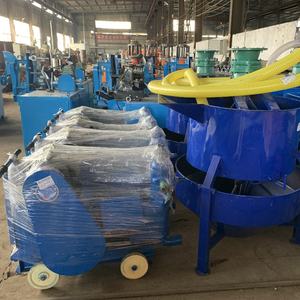
Concrete admixtures are chemical or mineral additives mixed into concrete before or during pouring to modify its properties. Far from being optional extras, they’re now essential tools that solve challenges like slow curing, cracking, water damage, and poor workability. Let’s dive into the key types and uses of today’s most effective admixtures.
2. What Are Admixtures and Why Do They Matter?
Admixtures—sometimes called ad mixtures—are ingredients added to concrete beyond the basic components of cement, water, and aggregates. These concrete chemicals fine-tune everything from setting time to strength, making them indispensable in both residential and commercial builds.
The best admixture for concrete depends on your specific needs: faster curing, better flow, freeze-thaw resistance, or even aesthetic enhancements like color. With innovations accelerating, the global market for concrete additives is projected to exceed $25 billion by 2027.
3. Major Types of Concrete Admixture
3.1 Water-Reducing Admixtures
Water reducing admixtures, also known as concrete water reducers, lower the water-cement ratio without sacrificing workability. This boosts strength and durability while reducing permeability. High-range water reducers (HRWRs) are often synonymous with superplasticizers.
- Superplasticizer in concrete enables high-flow mixes ideal for complex forms or densely reinforced structures.
- Polycarboxylate ether (PCE) superplasticizers offer superior slump retention compared to older naphthalene or melamine-based versions.
- Brands like Chryso admixture lead the market with eco-friendly, high-performance formulations.
3.2 Retarding and Accelerating Admixtures
Concrete retarder admixtures delay setting time—useful in hot weather or for long hauls. Surface retarder concrete products even allow decorative stamping by keeping the surface soft longer.
On the flip side, concrete accelerator additives speed up curing. Accelerating admixtures for concrete are vital in cold climates or when fast turnaround is needed. They directly impact concrete accelerator curing time, sometimes cutting it by 50%.
3.3 Air-Entraining Admixtures
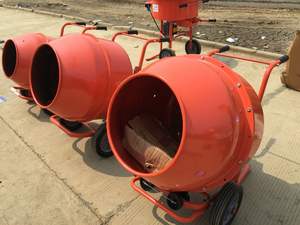
Air entraining concrete contains microscopic air bubbles that improve resistance to freeze-thaw cycles. An air entraining admixture introduces these bubbles via an air entraining agent, enhancing durability without compromising strength.
Common in northern U.S. and Canadian projects, air entraining cement is a standard spec for roads, bridges, and driveways exposed to winter conditions.
4. Specialized Functional Admixtures
4.1 Waterproofing and Integral Waterproofer Solutions
Waterproofing admixture for concrete prevents moisture ingress at the molecular level. Options include crystalline waterproofing admixture—which reacts with water to form insoluble crystals—and cement waterproofing additive blends.
These admixture waterproofing systems eliminate the need for external membranes, making them ideal for basements, tunnels, and water tanks. Look for terms like concrete waterproof admix or waterproof admix when sourcing products.
4.2 Fiber Reinforcement
Fibers for concrete add tensile strength and crack control. From polypropylene fibres for concrete to steel fibers for concrete, reinforcement fiber for concrete comes in macro and micro sizes.
- Fiber reinforced concrete is used in industrial floors, shotcrete, and even residential slabs.
- Coconut fiber reinforced concrete offers sustainable alternatives in developing regions.
- Carbon fiber reinforcement in concrete is emerging in high-performance applications like seismic retrofitting.
Popular products include Fibermesh concrete and fiberfor concrete mixes, available through retailers like Home Depot concrete siding suppliers—even though fibers are unrelated to siding, confusion is common due to similar naming.
4.3 Foaming Agents for Lightweight Concrete
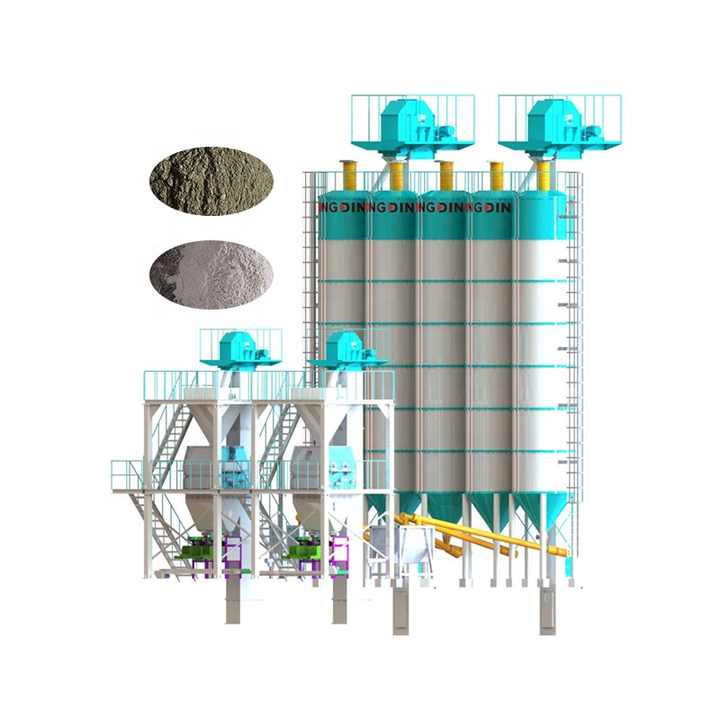
Concrete foaming agent creates air-filled voids, producing lightweight cellular concrete (also called foamcrete). Used in CLC blocks and insulation panels, foaming agent for foam concrete includes protein-based and synthetic types.
Demand is surging for CLC foaming agent in green building projects. The best foaming agent for aircrete balances stability, bubble size, and cost—critical for DIYers and contractors alike.
5. Aesthetic and Finishing Additives
Colored concrete and stamped concrete colors transform plain slabs into designer surfaces. Powder concrete colorants, release agents (like spray release agent or powder release agent), and tinted concrete options let homeowners mimic stone, brick, or wood.
Modern concrete siding—such as Hardie concrete siding or CertainTeed concrete siding—often uses fiber cement technology but isn’t mixed with traditional concrete admixtures. Still, confusion persists between concrete additives fiber and fibercement siding, which is actually a composite panel product.
6. Choosing the Right Admixture
Selecting the right admixture used in concrete starts with your project goals. Need fast curing? Consider fast curing concrete additives. Worried about leaks? Go for an integral waterproofer. For high-strength, low-water mixes, a superplasticizer admixture is essential.
Always check compatibility with your cement type—especially when using white cement, which requires non-staining plasticizers. And remember: not all concrete chemicals are equal. Request a bio data sheet from suppliers to verify performance claims.
7. Conclusion
From super plasticizers that revolutionize workability to crystalline waterproofing admixtures that protect for decades, modern admixtures make concrete smarter, stronger, and more versatile. As sustainability and efficiency drive construction innovation, understanding concrete admixture types—and how to use them—is no longer optional. Whether you’re pouring a patio or a parking garage, the right admixture could be the difference between average and exceptional.
Our Website founded on October 17, 2012, is a high-tech enterprise committed to the research and development, production, processing, sales and technical services of ceramic relative materials such as 10. Our products includes but not limited to Boron Carbide Ceramic Products, Boron Nitride Ceramic Products, Silicon Carbide Ceramic Products, Silicon Nitride Ceramic Products, Zirconium Dioxide Ceramic Products, etc. If you are interested, please feel free to contact us.