Professional solutions on concrete addtives, Concrete Foaming Agent, Superplasticizer, CLC Blocks Additives, and foaming machine

7 Niche Applications of Concrete Admixtures That Are Revolutionizing Modern Construction
1. Introduction
Just 24 hours ago, a major breakthrough was announced by researchers at ETH Zurich: they’ve developed a new type of self-healing concrete using a smart crystalline waterproofing admixture that activates only when water penetrates microcracks. This innovation underscores how niche applications of concrete admixtures are pushing the boundaries of durability, sustainability, and design in construction. Far beyond basic strength enhancement, modern admixtures now enable everything from ultra-lightweight foam concrete to wood-look fiber cement siding that withstands decades of weathering.
In this article, we’ll dive into seven highly specialized, real-world applications where admixtures aren’t just helpful—they’re essential. From accelerating curing in Arctic infrastructure to enabling intricate stamped concrete patterns with perfect release, these use cases reveal why choosing the best admixture for concrete can make or break a project.
2. Fiber-Reinforced Concrete Siding: Where Aesthetics Meet Durability
One of the most visually striking niche applications is in concrete fiber siding—a modern alternative to traditional wood or vinyl cladding. Brands like Hardie and CertainTeed use polypropylene fibres for concrete and even coconut fiber reinforced concrete to create panels that mimic wood grain while offering fire resistance, rot immunity, and minimal maintenance. These systems rely heavily on fiberfor concrete mix formulations that include macro fibers and microfibers to prevent cracking during thermal cycling.
The key here isn’t just the reinforcement fiber for concrete—it’s the synergy with other concrete additives. Plasticizer admixture improves workability during extrusion, while an integral waterproofer ensures long-term moisture resistance. Without the right combination of concrete chemicals—including superplasticizer in concrete to reduce water content without sacrificing flow—the final product would be brittle and prone to warping.
3. Crystalline Waterproofing in Underground Structures
Deep beneath cities worldwide, engineers are turning to crystalline waterproofing admixture to protect subway tunnels, basements, and utility vaults. Unlike surface-applied membranes, this admixture waterproofing technology reacts with water and unhydrated cement particles to grow insoluble crystals that permanently block capillaries and microcracks.
This method uses a cement waterproofing additive that becomes part of the concrete matrix itself—making it ideal for structures where access for repairs is impossible. When combined with air entraining concrete practices, it also enhances freeze-thaw resistance. Contractors often pair it with a concrete water reducer to lower permeability further, ensuring maximum protection against hydrostatic pressure.
4. Foamed Concrete for Lightweight Insulating Blocks
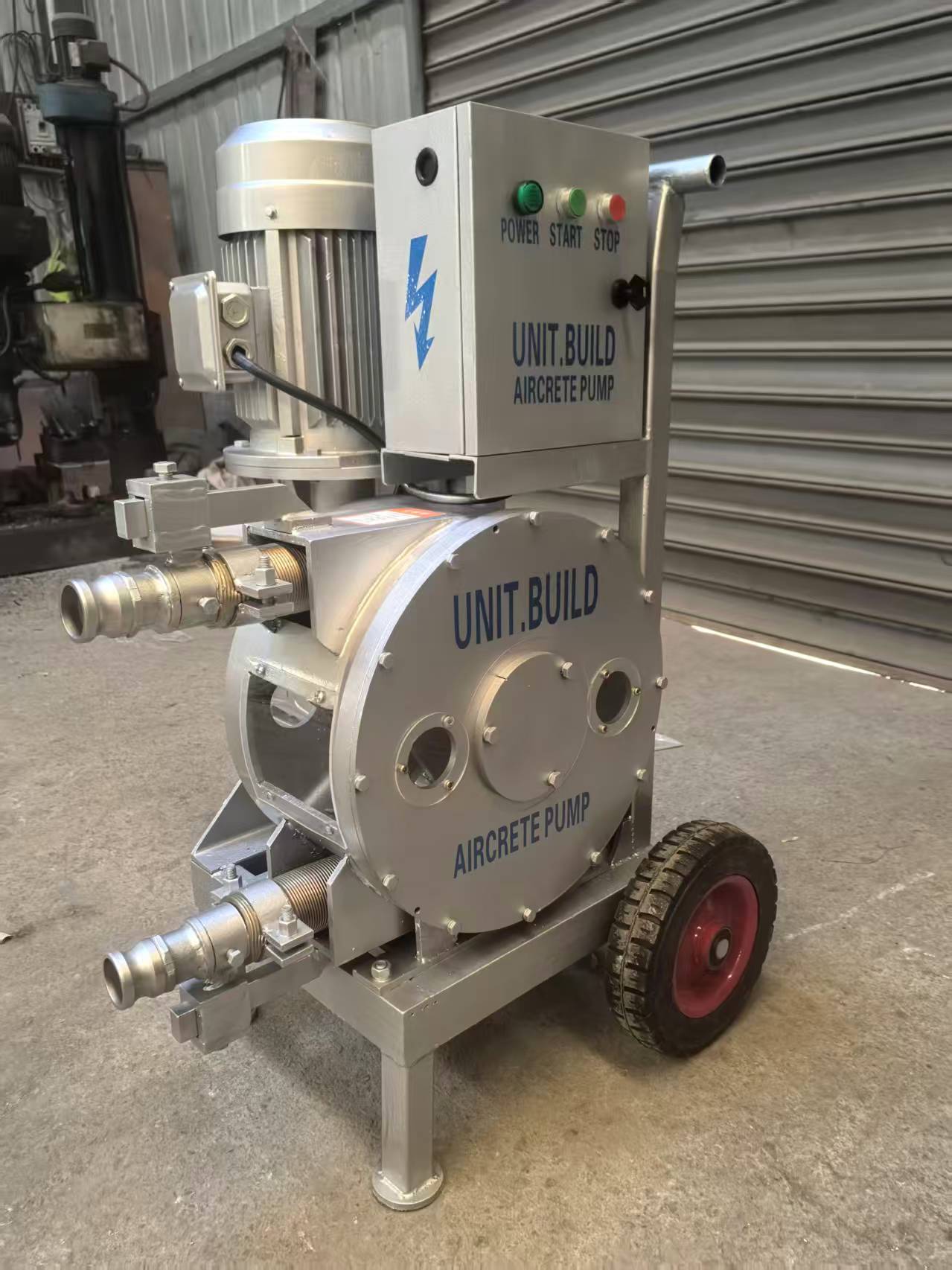
Foam concrete—also known as aircrete—is gaining traction in green building thanks to its low density and excellent thermal performance. The secret? A high-quality foaming agent used in foam concrete, such as a protein based foaming agent or synthetic foaming agent for concrete, which creates stable, uniform bubbles throughout the mix.
Producing consistent CLC (Cellular Lightweight Concrete) blocks requires precise dosing of CLC foaming agent alongside a mid-range water reducer to maintain stability without collapse. The resulting material is up to 80% lighter than standard concrete, making it perfect for non-load-bearing walls, roof insulation, and even floating docks. Recent advances have even led to DIY-friendly homemade foaming agent for concrete recipes—but professionals still prefer certified products for structural reliability.
5. Accelerated Curing in Cold-Weather Infrastructure
In regions like Alaska or northern Canada, fast curing concrete additives are mission-critical. Accelerating admixtures for concrete—often calcium nitrate–based—shorten setting time and boost early strength, allowing pours to proceed even at sub-zero temperatures. This directly impacts concrete accelerator curing time, enabling same-day formwork removal in emergency repairs.
However, speed must be balanced with control. That’s why many cold-climate mixes also include a concrete retarder admixture as a safeguard against flash setting if ambient temps unexpectedly rise. The result? Reliable performance regardless of weather volatility—thanks to smart use of admixture retarder and concrete accelerator combinations.
6. Stamped and Colored Concrete with Precision Release
Creating realistic brick, stone, or wood patterns in decorative concrete demands more than just stamps—it requires advanced release agents. Water-based release agent sprays and powder release agent for concrete prevent sticking while simultaneously adding accent colors like charcoal, terra cotta, or brown stamped concrete hues.
Here, the role of concrete additives fiber is minimal, but plasticizer for concrete and superplasticizer admixture are crucial. They ensure the mix remains fluid enough to capture fine pattern details without segregation. Without a proper concrete stamp release agent, even the best-stamped concrete colors and patterns would tear or blur during demolding.
7. High-Performance Precast with Polycarboxylate Superplasticizers
Modern precast plants rely almost exclusively on polycarboxylate ether (PCE) superplasticizers—the gold standard among super plasticizers. These PCE-based admixtures deliver extreme water reduction (up to 40%) while maintaining slump for hours, enabling complex geometries and ultra-smooth finishes in architectural panels.
When paired with mineral admixture like fly ash or silica fume, PCE superplasticizer creates a dense, high-strength matrix ideal for thin-shell elements. It’s also the preferred superplasticizer for white concrete countertops and white cement applications, where color consistency and surface clarity are paramount. Leading brands like Chryso admixture offer tailored formulations that optimize both flow and finish.
8. Conclusion
From self-healing tunnels to wood-look siding and featherlight insulation blocks, the future of construction lies in specialized admixture types working in concert. Whether you’re selecting a concrete waterproof admix, a fiber for concrete mix, or the best superplasticizer for concrete, understanding these niche applications ensures your project doesn’t just meet specs—it exceeds expectations. As innovation accelerates, one thing is clear: admixtures are no longer optional extras—they’re the invisible architects of tomorrow’s built environment.
Our Website founded on October 17, 2012, is a high-tech enterprise committed to the research and development, production, processing, sales and technical services of ceramic relative materials such as 7. Our products includes but not limited to Boron Carbide Ceramic Products, Boron Nitride Ceramic Products, Silicon Carbide Ceramic Products, Silicon Nitride Ceramic Products, Zirconium Dioxide Ceramic Products, etc. If you are interested, please feel free to contact us.