Professional solutions on concrete addtives, Concrete Foaming Agent, Superplasticizer, CLC Blocks Additives, and foaming machine

How Do You Choose and Use the Right Admixtures for Your Concrete Project?
1. Introduction
Just 24 hours ago, a major construction materials supplier announced a nationwide shortage of polycarboxylate ether (PCE)-based superplasticizers due to supply chain disruptions—a reminder of how critical it is to understand alternatives and proper usage of concrete admixtures. Whether you’re pouring a backyard patio or managing a commercial build, choosing the right admixture can make or break your concrete’s performance.
Admixtures are chemical or mineral additives mixed into concrete to modify its properties—improving workability, strength, curing time, or durability. With dozens of options like superplasticizer, air entraining agents, and fiber reinforcement, it’s easy to feel overwhelmed. This guide cuts through the noise with clear, actionable steps to select and use the best admixture for your concrete project.
2. Understanding Common Admixture Types
Before you buy anything labeled ‘concrete additive,’ know what you’re working with. Admixtures fall into two broad categories: chemical and mineral. Chemical admixtures include superplasticizers, retarders, and accelerators. Mineral admixtures—like fly ash or silica fume—enhance long-term strength and reduce permeability.
- Water reducing admixtures (including mid-range and high-range types like superplasticizer) cut water content while maintaining flow.
- Concrete accelerator speeds up curing—ideal for cold weather or fast-track jobs.
- Concrete retarder delays setting time, useful in hot climates or complex pours.
- Air entraining admixture introduces tiny air bubbles to boost freeze-thaw resistance.
- Waterproofing admixture (such as crystalline or integral waterproofer) blocks moisture penetration.
- Fibers for concrete (polypropylene, steel, or coconut) add crack resistance and toughness.
3. Step-by-Step Guide to Selecting the Right Admixture
3.1. Identify Your Primary Goal
Ask: What problem are you solving? Need faster curing? Use a concrete accelerator. Pouring in summer heat? A concrete retarder admixture helps. Want a smooth, pumpable mix with less water? Reach for a superplasticizer in concrete. For basements or water tanks, a concrete waterproofing additive is essential.
3.2. Match Admixture to Environmental Conditions
Cold weather demands accelerating admixtures for concrete to prevent early freezing. Hot weather calls for an admixture retarder or surface retarder concrete to avoid flash setting. In freeze-thaw zones, always include an air entraining agent—this creates microscopic air pockets that absorb expansion stress.
3.3. Consider Compatibility and Dosage
Not all admixtures play well together. For example, some superplasticizers lose effectiveness when combined with certain cement types. Always check the manufacturer’s bio data sheet. Dosage matters too: overusing a plasticizer for concrete can cause segregation, while under-dosing a concrete water reducer won’t deliver benefits. Typical superplasticizer admixture dosage ranges from 0.5% to 2% by weight of cement.
4. Practical Application Tips
4.1. Mixing Protocol
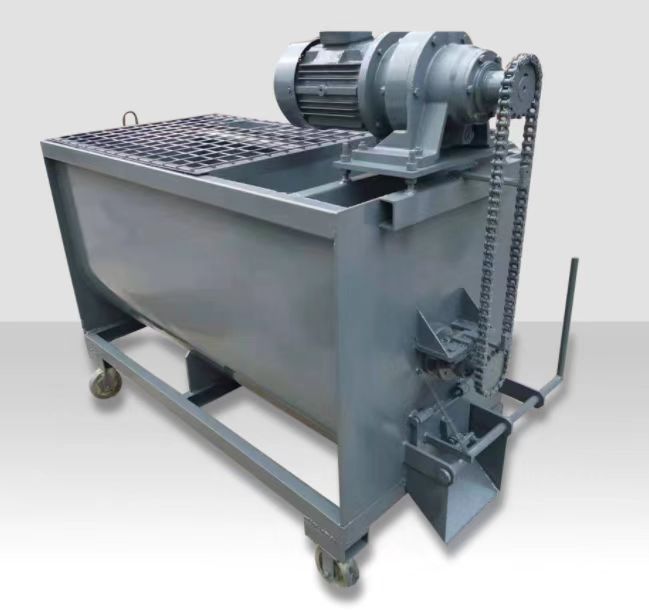
Add admixtures at the right stage. Most chemical admixtures—including super plasticizers and concrete accelerator—are added during or just after water introduction in the mixer. Never dump them directly onto dry cement. For fiber reinforced concrete, pre-blend fibers with aggregates to avoid clumping.
4.2. Testing Before Full-Scale Use
Run a small trial batch. Check slump, set time, and finishability. If using a colored concrete powder or stamp release agent, test color consistency too. This prevents costly rework on large pours.
4.3. Storage and Handling
Store liquid admixtures like superplasticizer or concrete form release agent in cool, dry places. Avoid freezing. Powdered additives (e.g., cement waterproofing additive or white cement) must stay sealed to prevent moisture absorption.
5. Troubleshooting Common Issues
5.1. Concrete Too Sticky or Segregating
Likely cause: overdosed superplasticizer or incompatible admixture combination. Solution: reduce dosage or switch to a polycarboxylate-based superplasticizer, which offers better control than older naphthalene or melamine types.
5.2. Premature Cracking
Could indicate lack of fiber reinforcement. Add polypropylene fibres for concrete or macro fibers to improve tensile strength. For exterior applications like concrete siding or fibercement siding, consider steel fibers for concrete for extra durability.
5.3. Poor Water Resistance
If your structure leaks despite using a waterproof admix, you may need a crystalline waterproofing admixture—which reacts with moisture to grow crystals that seal pores—or combine with a surface-applied water coating.
6. Specialized Applications
For decorative projects like stamped concrete, use a concrete release agent (powder or spray) to prevent sticking and add color. When working with white cement for countertops or architectural elements, pair it with a compatible superplasticizer to maintain brightness without compromising flow.
Foam concrete enthusiasts should opt for a protein-based foaming agent for stable air bubbles in CLC blocks. And if you’re comparing concrete siding cost versus traditional wood, remember that modern concrete fiber siding (like Hardie or CertainTeed brands) often includes built-in admixtures for weather resistance and wood-like aesthetics.
7. Conclusion
Choosing the right admixture isn’t about picking the most expensive product—it’s about matching the admixture used in concrete to your specific conditions and goals. Whether you need a fast curing concrete additive, a reliable concrete water reducer, or fiberfor concrete mix reinforcement, understanding these practical steps ensures stronger, longer-lasting results. Always consult technical data sheets, test small batches, and stay updated on supply trends—like the current PCE superplasticizer constraints—to keep your projects on track.
Our Website founded on October 17, 2012, is a high-tech enterprise committed to the research and development, production, processing, sales and technical services of ceramic relative materials such as How. Our products includes but not limited to Boron Carbide Ceramic Products, Boron Nitride Ceramic Products, Silicon Carbide Ceramic Products, Silicon Nitride Ceramic Products, Zirconium Dioxide Ceramic Products, etc. If you are interested, please feel free to contact us.