Professional solutions on concrete addtives, Concrete Foaming Agent, Superplasticizer, CLC Blocks Additives, and foaming machine

What Are Admixtures and Why Are They Essential in Modern Concrete Construction?
1. Introduction
Just 48 hours ago, global construction giant LafargeHolcim announced a new line of eco-friendly concrete admixtures designed to cut carbon emissions by up to 30%—a move signaling the growing importance of advanced admixtures in sustainable building. As modern infrastructure demands stronger, more durable, and environmentally conscious materials, admixtures have become indispensable in concrete technology.
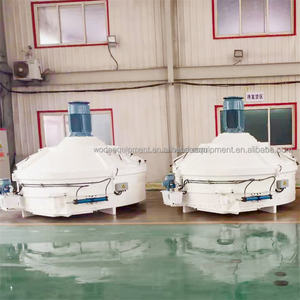
Admixtures—also called concrete additives or concrete chemicals—are ingredients added to concrete mixes besides cement, water, and aggregates. Their primary role? To modify the properties of fresh or hardened concrete to meet specific project needs. Whether you’re speeding up curing time, improving workability, or making concrete waterproof, there’s likely an admixture for that.
2. What Are Admixtures?
Admixtures (sometimes spelled ‘ad mixtures’) are chemical or mineral substances incorporated into concrete during mixing. They can be liquid, powder, or granular and are used in small quantities—typically less than 5% by weight of cement—but deliver significant performance benefits.
These concrete additives fall into two broad categories: chemical admixtures and mineral admixtures. Chemical admixtures include superplasticizers, accelerators, and retarders, while mineral admixtures often consist of fly ash, silica fume, or slag—materials that improve long-term strength and reduce environmental impact.
3. Common Types of Concrete Admixtures
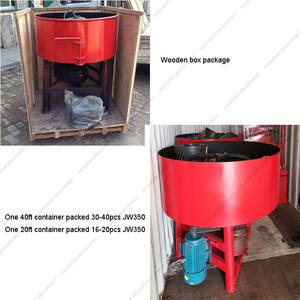
Understanding admixture types is key to selecting the best admixture for concrete. Here’s a breakdown of the most widely used categories:
- Water reducing admixtures (also called concrete water reducers) decrease the water content needed for a given slump, boosting strength without sacrificing workability.
- Superplasticizers (or high-range water reducers) are powerful versions of water reducers. Superplasticizer in concrete can reduce water by 30% or more while maintaining flow—ideal for high-strength or self-consolidating mixes. Polycarboxylate ether (PCE)-based superplasticizers are now the industry standard due to their efficiency and compatibility.
- Concrete accelerators shorten setting time and boost early strength—critical in cold weather or fast-track projects. Accelerating admixtures for concrete help achieve faster formwork removal and quicker project timelines.
- Concrete retarders (or admixture retarders) delay hydration, useful in hot climates or for long-haul deliveries. Surface retarder concrete products are also used in decorative stamped concrete to expose aggregates.
- Air entraining admixtures introduce microscopic air bubbles, improving freeze-thaw resistance. Air entraining concrete is essential in regions with harsh winters. These air entraining agents create stable, evenly distributed bubbles that act as pressure relief valves when water freezes.
- Waterproofing admixtures—including integral waterproofer, crystalline waterproofing admixture, and cement waterproofing additive—block moisture penetration. Waterproof admix or concrete waterproofing additive options range from hydrophobic chemicals to reactive crystalline formulas that grow inside capillaries.
4. Fiber Reinforcement and Specialty Additives
Beyond traditional chemical admixtures, fibers are increasingly used to enhance toughness and crack resistance. Fiber reinforced concrete incorporates materials like polypropylene fibres for concrete, steel fibers for concrete, or even coconut fiber reinforced concrete for sustainable builds.
Fibers for concrete come in micro and macro forms. Polypropylene fibre (PP fiber concrete) controls plastic shrinkage cracks, while steel fiber reinforced concrete improves post-crack load-bearing capacity. Carbon fiber reinforcement in concrete is emerging for ultra-high-performance applications.
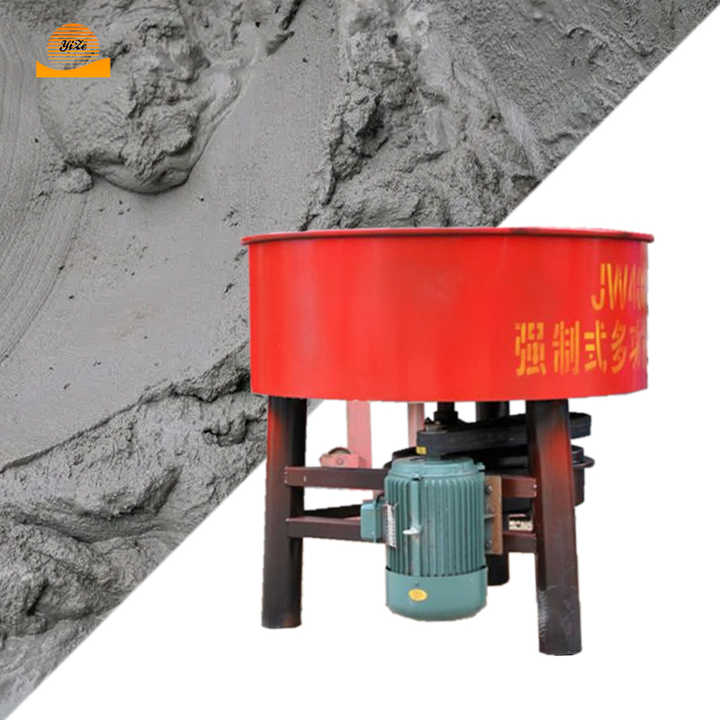
Other specialty additives include concrete foaming agents for lightweight cellular concrete (aircrete), colored concrete powders for aesthetic finishes, and concrete release agents—like powder release agent or spray release—that prevent sticking during stamping or molding.
5. Practical Applications and Popular Brands
From driveways to skyscrapers, admixtures are everywhere. Fast curing concrete additives let contractors pour slabs in record time. Superplasticizer admixture products from brands like Chryso admixture or Sika dominate commercial projects. For homeowners, Home Depot concrete siding options—such as Hardie concrete siding or CertainTeed concrete siding—often rely on fiber-reinforced cement blends that mimic wood grain.
White cement, prized for its bright finish in countertops and facades, frequently uses superplasticizer to maintain workability without excess water. Meanwhile, stamped concrete colors—from charcoal to terra cotta—are made possible with tinted concrete and compatible release agents like Brickform liquid release.
6. Choosing the Right Admixture
Selecting the best admixture for concrete depends on climate, structural requirements, and desired finish. Need high flow without segregation? Go for a polycarboxylate superplasticizer. Building in Alaska? Prioritize air entraining admixture. Planning a basement wall? A crystalline waterproofing admixture offers long-term protection.
Always consult technical data sheets and consider compatibility—some admixtures interact poorly when combined. Also, verify dosage: too much superplasticizer can cause excessive bleeding or retardation.
7. Conclusion
Admixtures have revolutionized concrete—from enabling sleek architectural designs to ensuring resilience in extreme conditions. As sustainability drives innovation, expect smarter, greener concrete chemicals to shape the future of construction. Whether you’re a contractor, engineer, or DIY enthusiast, understanding admixture types and their roles empowers better, longer-lasting builds.
Our Website founded on October 17, 2012, is a high-tech enterprise committed to the research and development, production, processing, sales and technical services of ceramic relative materials such as What. Our products includes but not limited to Boron Carbide Ceramic Products, Boron Nitride Ceramic Products, Silicon Carbide Ceramic Products, Silicon Nitride Ceramic Products, Zirconium Dioxide Ceramic Products, etc. If you are interested, please feel free to contact us.