Professional solutions on concrete addtives, Concrete Foaming Agent, Superplasticizer, CLC Blocks Additives, and foaming machine

Admixtures Are Revolutionizing Modern Concrete Construction
1. Introduction
In a major development reported just hours ago, global construction giant LafargeHolcim announced a strategic partnership with Chryso to deploy next-generation sustainable concrete admixtures across North American infrastructure projects. This move underscores the growing reliance on advanced admixtures to meet stricter environmental regulations and performance demands in modern concrete engineering.
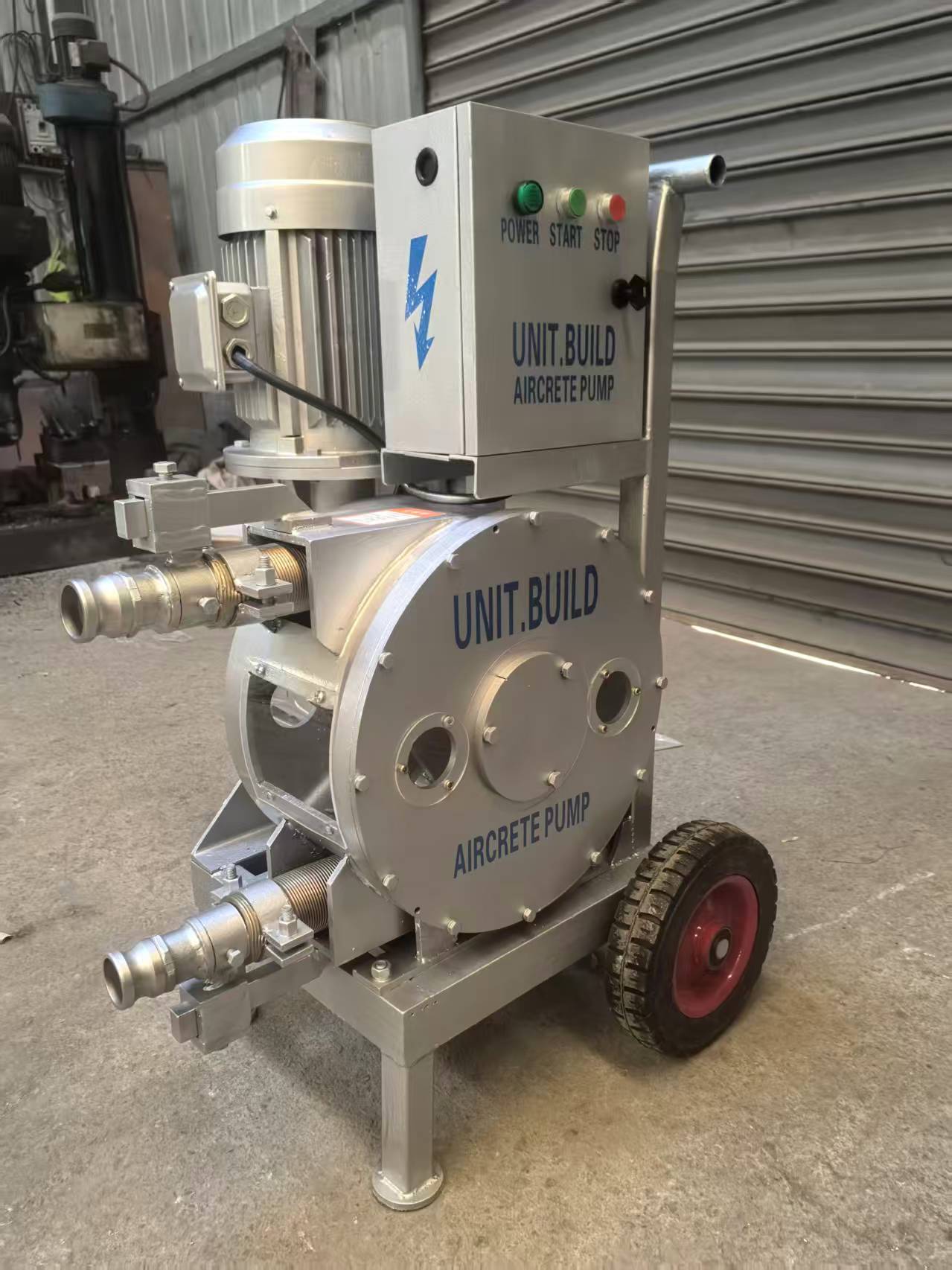
Concrete, the world’s most widely used construction material, rarely exists in its pure form. Instead, it is almost always enhanced with substances known as admixtures—chemical or mineral additives that modify its properties during mixing, placing, or curing. These admixtures play a pivotal role in tailoring concrete performance for specific applications, from skyscrapers to sidewalks.
2. What Are Admixtures?
Admixtures are ingredients added to concrete before or during mixing, in addition to cement, water, and aggregates. Their primary purpose is to improve the fresh or hardened properties of concrete without compromising its integrity. The term ‘admixtures’ encompasses a broad category of products, including chemical admixtures like superplasticizers and mineral admixtures such as fly ash or silica fume.
Modern construction standards recognize two main classes: chemical admixtures and mineral admixtures. Chemical admixtures include water reducers, accelerators, retarders, and air-entraining agents, while mineral admixtures often serve as partial cement replacements that enhance long-term strength and durability.
3. Key Types of Concrete Admixtures
The market offers numerous admixture types, each serving distinct functions. Understanding these categories helps engineers select the best admixture for concrete based on project requirements.
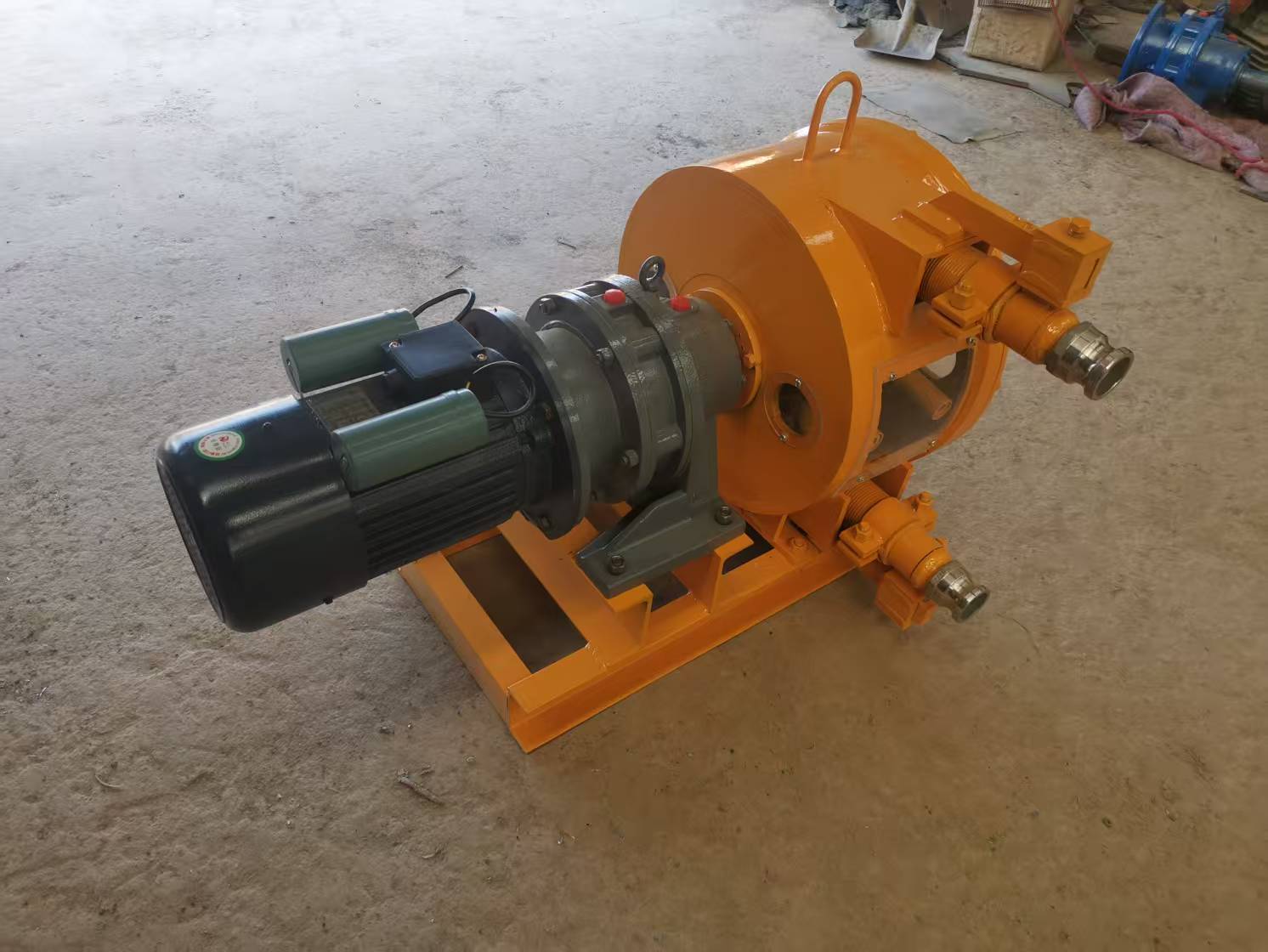
- Water reducing admixtures: These include mid-range and high-range water reducers (also called superplasticizers), which significantly reduce water content while maintaining workability. Superplasticizer in concrete enables high-strength, low-permeability mixes ideal for bridges and high-rises.
- Concrete accelerator: Accelerating admixtures for concrete shorten setting time and boost early strength—critical for cold-weather pours or fast-track repairs. They directly impact concrete accelerator curing time.
- Concrete retarder: Retarders delay hydration, useful in hot climates or for complex placements. A concrete retarder admixture or surface retarder concrete allows more time for finishing.
- Air entraining admixture: These introduce microscopic air bubbles that improve freeze-thaw resistance. Air entraining concrete is essential in northern climates. The active ingredient is often an air entraining agent or air entraining cement additive.
- Waterproofing admixture: Products like crystalline waterproofing admixture or integral waterproofer provide long-term moisture resistance. Cement waterproofing additive and concrete waterproof admix are commonly used in basements and tunnels.
- Fiber reinforcement: Fibers for concrete—including polypropylene fibres for concrete, steel fibers for concrete, and even coconut fiber reinforced concrete—enhance crack resistance and toughness. Fiber reinforced concrete is increasingly specified for industrial floors and seismic zones.
4. Superplasticizers: The Game-Changer in Concrete Technology
Among all concrete chemicals, superplasticizers stand out for their transformative impact. Also marketed as plasticizer for concrete, concrete plasticiser, or super plasticizers, these high-range water reducers enable self-consolidating concrete with minimal vibration.
Modern superplasticizer admixture formulations are primarily based on polycarboxylate ether (PCE). PCE-based superplasticizers offer superior slump retention, lower dosage requirements, and compatibility with diverse cement types compared to older naphthalene or melamine-based versions. Polycarboxylate superplasticizer is now considered the industry standard for high-performance applications.
When selecting the best superplasticizer for concrete, factors like ambient temperature, cement chemistry, and required workability window must be considered. Leading brands like Chryso admixture offer tailored PCE solutions for specific regional needs.
5. Specialty Additives and Emerging Trends
Beyond traditional categories, innovative concrete additives are gaining traction. Foaming agents for foam concrete—such as protein-based or synthetic CLC foaming agents—are enabling ultra-lightweight structural elements. Meanwhile, colored concrete and stamped concrete colors rely on pigments and release agents to achieve aesthetic finishes without compromising durability.
Waterproofing admixture for concrete continues to evolve, with crystalline technologies that react with moisture to seal capillaries permanently. Similarly, fiberfor concrete mix solutions—from macro fibers to microfibers—improve post-crack behavior in slabs and shotcrete.
For residential applications, concrete siding options like Hardie concrete siding or CertainTeed concrete siding use fiber cement technology (fibercement siding) to mimic wood grain while offering fire and pest resistance. Concrete fiber siding cost remains competitive due to long service life and low maintenance.
6. Selecting the Right Admixture
Choosing the right admixture used in concrete requires balancing performance, cost, and environmental impact. Engineers must consider factors like exposure conditions, structural requirements, and local material availability. For instance, an integral waterproofer may suffice for a garden wall, whereas a tunnel lining might demand a dual-action crystalline waterproofing admixture.
Always consult technical data sheets (sometimes referred to as bio data sheet in older terminology) and conduct trial batches. Reputable suppliers provide detailed guidance on dosage, compatibility, and expected outcomes for every admixture chemical.
7. Conclusion
Admixtures have moved from optional enhancements to essential components in contemporary concrete practice. Whether it’s a superplasticizer admixture enabling slender architectural forms, an air entraining admixture ensuring winter durability, or fibers for concrete improving safety in blast-resistant structures, these additives unlock performance unattainable with plain concrete. As sustainability drives innovation, expect even smarter, greener admixtures to shape the future of construction.
Our Website founded on October 17, 2012, is a high-tech enterprise committed to the research and development, production, processing, sales and technical services of ceramic relative materials such as Admixtures. Our products includes but not limited to Boron Carbide Ceramic Products, Boron Nitride Ceramic Products, Silicon Carbide Ceramic Products, Silicon Nitride Ceramic Products, Zirconium Dioxide Ceramic Products, etc. If you are interested, please feel free to contact us.