Professional solutions on concrete addtives, Concrete Foaming Agent, Superplasticizer, CLC Blocks Additives, and foaming machine

Stop Guessing Concrete Density. The Truth About Industrial Foam Generating Equipment
A Tale of Two Blocks
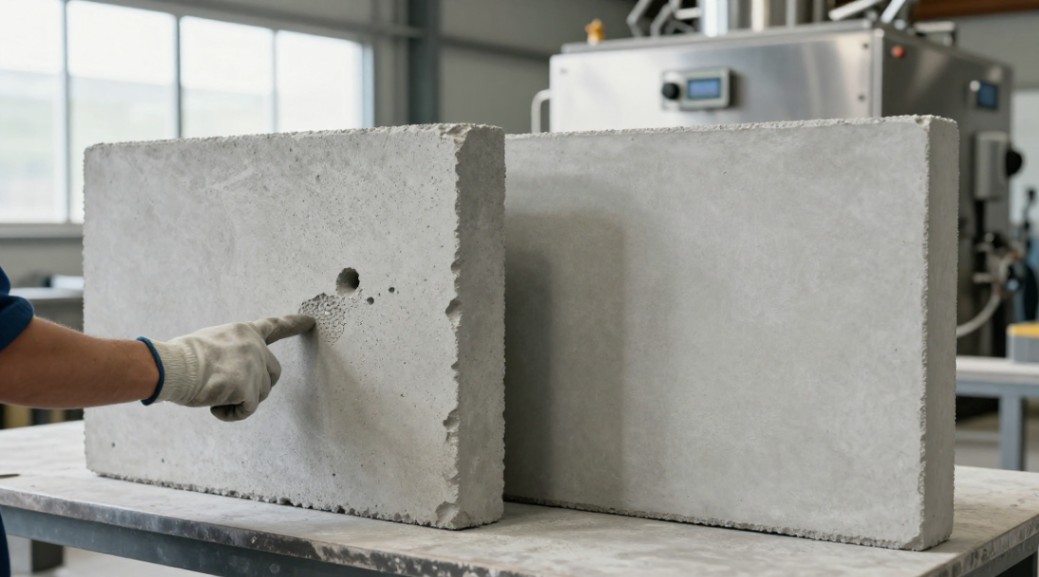
I watched a plant manager run his thumb across the surface of a freshly stripped precast wall panel. The texture was rough, inconsistent. He pointed to a honeycomb void. “See that?” he muttered. “The foam collapsed. Again.” Two days later, a competitor’s plant produced a flawless panel with a smooth, uniform finish. The weight was 30% less. The difference wasn’t magic or better cement. It was the machine in the corner: a precisely engineered piece of industrial foam generating equipment for precast plants.
What Is Industrial Foam Generating Equipment? A Core Definition
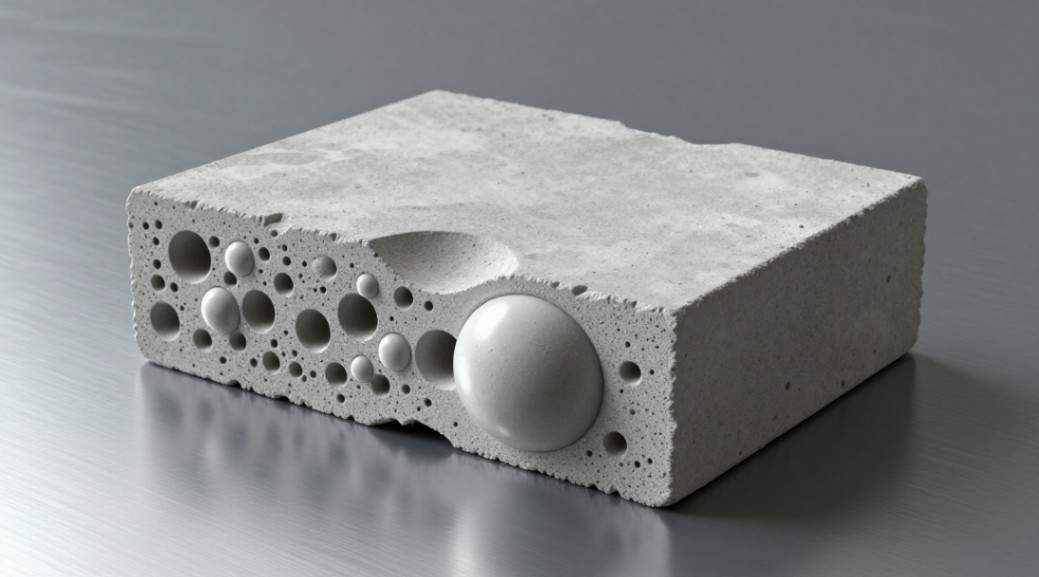
In precast concrete, this equipment isn’t an accessory. It’s a density control system. Its sole job is to inject billions of microscopic, stable air bubbles into a concrete mix. You replace heavy aggregate volume with these air voids. The result is structural lightweight concrete with predictable strength, superior insulation, and easier handling.
Why Manual Mixing Fails: The Precision Problem
Pouring liquid foam agent into a mixer by hand is guessing. It creates a wet, unstable froth with large, irregular bubbles. They burst or merge. Concrete density varies from batch to batch. Waste skyrockets. Modern industrial foam generating equipment for precast plants eliminates this gamble. It delivers consistent foam density and bubble structure stability. Every bubble is nearly identical. This repeatability is non-negotiable for commercial production.
Anatomy of a System: The Two Main Types
These systems fall into two categories, each suited for different production flows.
| Equipment Type | Core Function | Ideal For | Critical Control Point |
|---|---|---|---|
| Centralized Foam Generators | Produce large volumes of pre-made foam at a central batching plant. The foam is piped to multiple mixing stations. | High-volume plants with multiple production lines casting similar products. | Foam transit time and line pressure stability. Long pipe runs can degrade foam quality. |
| In-Line Foam Proportioning Systems | Inject concentrated foam agent and water directly into the mixing line, generating foam instantly at the point of use. | Plants with variable recipes, remote casting beds, or a need for extreme density flexibility. | Precise proportional dosing of agent to water. Instantaneous response to mixer demand signals. |
The Brain: Automated Density Monitoring
The hardware means nothing without control. Advanced systems use in-line mass flow meters or density probes. They measure the foam stream in real-time. If the density drifts outside a set tolerance-say, 45 g/L ± 2 g/L-the system automatically adjusts the air-to-liquid ratio. This closed-loop control is what separates professional equipment from a hobbyist’s pump.
Choosing Your Weapon: Foam Agent Types
The chemical you use dictates performance. The machine must be compatible.
Synthetic Foam Agents: Common. Cost-effective. They create a strong, rigid bubble wall. Excellent for most structural lightweight concrete requiring high air content and good early strength.
Protein-Based Foam Agents: More expensive. Derived from natural keratin. They produce an incredibly stable, flexible bubble with a finer structure. Use them when you need extreme flowability (self-compacting lightweight concrete) or long-term durability in harsh environments. Don’t let a salesman tell you otherwise.
The Brutal Truth About Maintenance
Ignore this, and your expensive system becomes a paperweight. The two failure points are always the same.
- Pump Calibration: Diaphragm or piston pumps wear. A 5% drift in stroke length changes your density. Calibrate quarterly.
- Nozzle Cleaning: The nozzle aerates the liquid. Mineral deposits or dried agent will clog it. Clean it weekly. This is not a suggestion.
Sizing Your System: Capacity is Not Guesswork
You size based on peak demand, not average. Answer two questions: What is your maximum cubic meters of lightweight concrete per hour? What is your target air content percentage? A 50 m³/hr plant aiming for 30% air volume needs equipment capable of generating 15 m³/hr of stable foam. Undersizing forces production to wait. That costs more than buying the right machine upfront.
Integration: The Automation Edge
Standalone foam generators are obsolete. Your equipment must talk to the plant’s PLC. It should receive start/stop signals from the mixer. It must log every batch: foam density, flow rate, agent consumption. This data trail is your quality assurance. When a block fails a test, you can trace it back to the exact parameter, not blame the “bad batch of cement.”
Safety is a Technical Spec
Treat pressurized chemical systems with respect. Install pressure relief valves. Use secondary containment for agent tanks. Train your crew on safe handling procedures for concentrated chemicals. This isn’t about bureaucracy; it’s about preventing a $50,000 environmental cleanup.
Your Next Step is Clear
If you’re still batching lightweight concrete with inconsistent results, you are sacrificing profit and reputation with every pour. The industry moved on a decade ago. Industrial foam generating equipment for precast plants is the baseline, not a luxury.
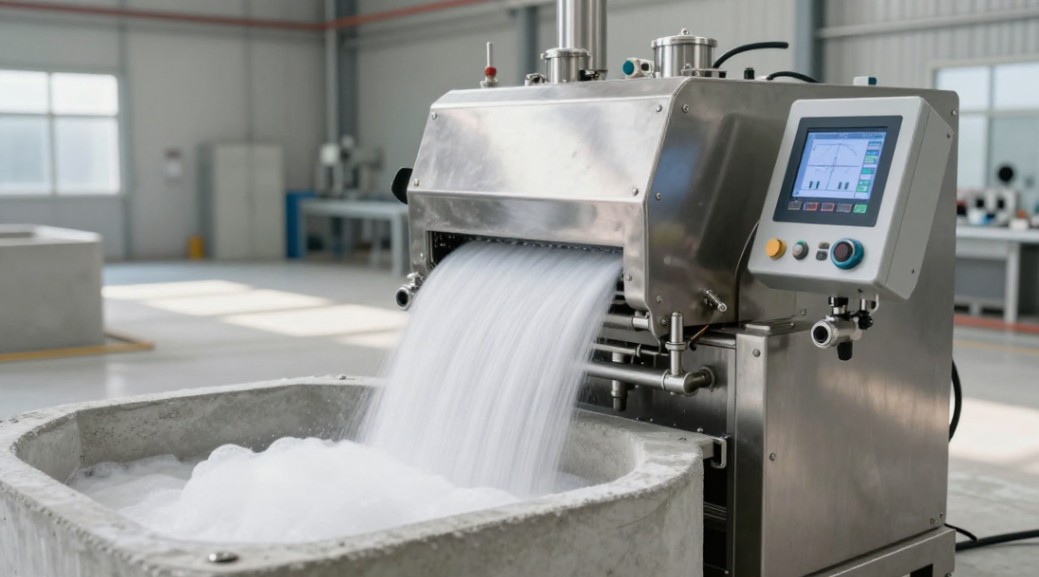
Stop researching generic foam machines. You need a system engineered for the relentless, precision-demanding environment of a precast plant. Request a capacity audit and a live demonstration with your specific mix design. See the density data in real-time. Then make your decision.
We are the global leader in lightweight concrete and advanced engineered foam solutions. Known globally for its commitment to research, innovation, and applied expertise, we have been providing engineered foam solutions since the early 2012’s.
We can supply high-quality concrete admixture and foam concrete related products all over the world.
The company has a professional technical department and quality supervision department, a well-equipped laboratory, and equipped with advanced testing equipment and after-sales customer service center.
If you are interested, please feel free and contact us.