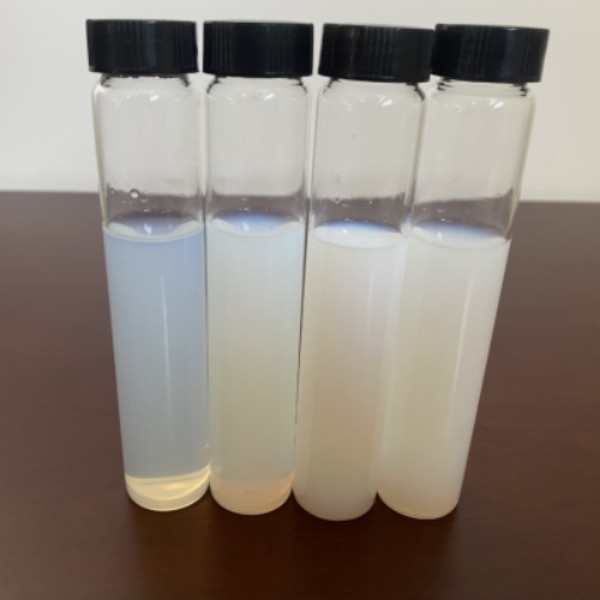
Professional solutions on concrete addtives, Concrete Foaming Agent, Superplasticizer, CLC Blocks Additives, and foaming machine

Superplasticizers and Smart Fibers Are Revolutionizing Concrete Siding—Here’s How
1. Introduction
Just 24 hours ago, a major breakthrough hit the construction world: CertainTeed unveiled its next-gen fibercement siding line infused with polycarboxylate ether (PCE) superplasticizers and coconut fiber reinforcement. The innovation promises not only a realistic wood-like finish but also 30% faster curing and superior crack resistance. Suddenly, your grandma’s ranch house could look like a Scandinavian design magazine cover—without sacrificing resilience.
And it’s all thanks to one unsung hero of modern construction: admixtures.
2. Why Admixtures Matter in Concrete Siding
Concrete siding isn’t your grandpa’s gray slab anymore. Today’s versions—sold under brands like Hardie, CertainTeed, and even Home Depot’s private label—rely heavily on chemical wizardry to achieve beauty, durability, and ease of installation. Enter concrete admixtures: the secret sauce that turns basic cement into high-performance cladding.
These aren’t just random potions tossed into a mixer. Each admixture serves a precise purpose, from speeding up cure times to repelling water or adding tensile strength. Let’s break down the key players making modern concrete siding possible.
2.1 Superplasticizers: The Flow Masters
At the heart of sleek, detailed concrete siding lies the superplasticizer. Also known as high-range water reducers, these concrete chemicals—particularly polycarboxylate ether-based superplasticizers—allow manufacturers to slash water content while maintaining workability.
Why does that matter? Less water = fewer voids = denser, stronger panels. Plus, superplasticizer in concrete enables intricate textures and wood-grain patterns during molding without cracking.
- Best superplasticizer for concrete? PCE-based types dominate due to their efficiency and compatibility with modern cements.
- Superplasticizer admixture also reduces the need for vibration during casting—critical for mass-producing consistent siding panels.
2.2 Waterproofing Admixtures: Rain, Meet Your Match
Nobody wants soggy siding. That’s where waterproofing admixtures shine. Whether it’s an integral waterproofer, crystalline waterproofing admixture, or cement waterproofing additive, these concrete additives create a hydrophobic matrix within the material itself.
Unlike surface sealants that wear off, admixture waterproofing is built-in for life. Brands now use advanced concrete waterproof admix formulations that block capillary action while allowing vapor transmission—so walls breathe but don’t leak.
2.3 Fiber Reinforcement: Strength Meets Slimness
Gone are the days of thick, heavy concrete slabs. Modern concrete fiber siding uses micro and macro fibers—polypropylene, steel, or even sustainable coconut fiber—to boost flexural strength without adding bulk.
Fiber reinforced concrete mix allows panels as thin as 5/16 inch to withstand wind loads, thermal cycling, and impact. Coconut fiber reinforced concrete, in particular, is gaining traction for its eco-credentials and natural crack control.
- PP fiber concrete improves resistance to shrinkage cracks.
- Steel fibers for concrete add toughness for high-wind zones.
- Carbon fiber reinforcement in concrete remains premium but offers unmatched tensile performance.
3. Specialty Admixtures for Aesthetic & Functional Edge
Beyond strength and water resistance, admixtures enable visual magic. Want charcoal stamped concrete that looks like charred cedar? Or white concrete siding with terra cotta undertones? It’s all possible—thanks to synergies between pigments, release agents, and admixtures.
For example, surface retarder concrete techniques let manufacturers expose aggregates or create textured finishes, while colored concrete powders lock in hues that won’t fade. And don’t forget the mold release agents—spray or powder—that ensure every wood-grain detail pops cleanly from the form.
Even white cement gets a boost: when combined with superplasticizer and waterproof admix, it creates luminous, stain-resistant panels perfect for modern concrete siding houses.
4. Real-World Impact: Faster, Greener, Smarter
Thanks to accelerating admixtures for concrete and fast curing concrete additives, production cycles have shrunk dramatically. Some plants now demold panels in under 4 hours—versus 24+ hours a decade ago.
Meanwhile, mineral admixtures like fly ash or silica fume reduce cement content, lowering CO₂ footprints. And with rising demand for concrete siding that looks like wood—but lasts decades longer—the market is booming.
Homeowners win too: concrete siding cost has stabilized, and options like fibermesh concrete offer DIY-friendly handling without compromising on performance.
5. Conclusion
From superplasticizer admixture enabling razor-thin profiles to air entraining agents preventing freeze-thaw damage, concrete admixtures are the invisible architects of today’s high-end siding. Whether you’re building a coastal cottage or a desert modern home, the best admixture for concrete isn’t just about chemistry—it’s about crafting facades that endure, inspire, and outperform expectations.
Our Website founded on October 17, 2012, is a high-tech enterprise committed to the research and development, production, processing, sales and technical services of ceramic relative materials such as Superplasticizers. Our products includes but not limited to Boron Carbide Ceramic Products, Boron Nitride Ceramic Products, Silicon Carbide Ceramic Products, Silicon Nitride Ceramic Products, Zirconium Dioxide Ceramic Products, etc. If you are interested, please feel free to contact us.