Professional solutions on concrete addtives, Concrete Foaming Agent, Superplasticizer, CLC Blocks Additives, and foaming machine

What Are the Best Admixtures for Modern Concrete Projects—and How Do They Compare?
1. Introduction
Just 24 hours ago, a major infrastructure report released by the American Society of Civil Engineers (ASCE) highlighted that over 40% of U.S. bridges are now over 50 years old—many requiring repair or replacement using high-performance concrete formulations. Central to these modern mixes? Advanced concrete admixtures. As demand surges for durable, sustainable, and workable concrete, understanding the nuances between different admixture types has never been more critical.
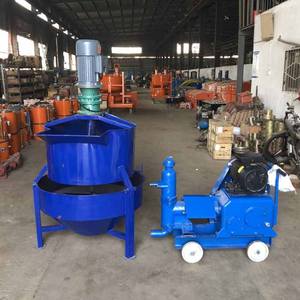
Concrete admixtures—also called concrete additives or ad mixtures—are chemical or mineral substances added to concrete during mixing to modify its properties. From improving flowability with superplasticizers to enhancing freeze-thaw resistance with air entraining admixtures, these compounds play a pivotal role in today’s construction landscape.
2. Understanding Admixture Types
Admixtures fall into two broad categories: chemical admixtures and mineral admixtures. Chemical admixtures include water reducers, accelerators, retarders, and air-entraining agents. Mineral admixtures—like fly ash or silica fume—are typically supplementary cementitious materials that enhance long-term strength and durability.
Among chemical admixtures, superplasticizers stand out as game-changers. But not all superplasticizers are created equal.
2.1. Superplasticizers: Naphthalene vs. Polycarboxylate Ether (PCE)
Superplasticizers—also known as high-range water reducing admixtures—are essential for producing self-consolidating or high-strength concrete. The two dominant chemistries are naphthalene-based superplasticizers (SNF) and polycarboxylate ether (PCE)-based superplasticizers.
Naphthalene sulfonate formaldehyde (SNF) superplasticizers have been used for decades. They offer strong initial slump retention and are cost-effective, making them popular in precast and ready-mix applications. However, they can cause rapid slump loss and aren’t ideal for extended pumping or placement times.
In contrast, PCE-based superplasticizers represent the latest evolution in concrete chemistry. These molecules have a comb-like structure that provides superior dispersion of cement particles, resulting in higher fluidity with less water. PCE superplasticizers offer excellent slump retention, lower dosage requirements, and compatibility with diverse cement types—including those with high supplementary cementitious material content.
- Naphthalene-based: Lower cost, but limited slump retention
- PCE-based: Higher performance, better sustainability, and ideal for ultra-high-performance concrete (UHPC)
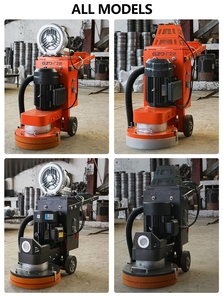
For projects demanding precision—like architectural concrete or bridge decks—PCE superplasticizers are increasingly the best admixture for concrete.
2.2. Air Entraining Admixtures and Freeze-Thaw Durability
Air entraining concrete is crucial in cold climates. Air entraining admixtures introduce microscopic air bubbles into the mix, which act as pressure relief valves during water freezing, preventing internal cracking.
These air entraining agents—often derived from vinsol resin or synthetic surfactants—are dosed carefully to achieve 4–7% air content. While they slightly reduce compressive strength, the trade-off is vastly improved durability. This makes air entraining cement indispensable for pavements, dams, and marine structures.
2.3. Waterproofing Admixtures: Integral vs. Crystalline
Waterproofing admixture options have expanded significantly. Traditional integral waterproofers (like stearates or silanes) repel water by reducing capillary absorption. Meanwhile, crystalline waterproofing admixtures react with moisture and unhydrated cement to form insoluble crystals that block pores permanently.
Crystalline systems—such as those marketed under brands like Xypex or Kryton—offer self-healing properties and are ideal for basements, tunnels, and water tanks. For above-grade applications like concrete siding or facades, cement waterproofing additives may suffice.
2.4. Accelerators, Retarders, and Curing Control
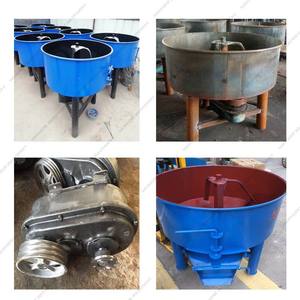
Concrete accelerator admixtures shorten setting time—critical for fast-track projects or cold-weather pours. Calcium chloride was once common but is now avoided due to corrosion risks; non-chloride alternatives (e.g., nitrate- or thiocyanate-based) dominate.
On the flip side, concrete retarder admixtures delay hydration, useful in hot weather or for complex placements. Surface retarder concrete products even allow decorative stamping by keeping the surface workable while the core sets.
Both types directly impact concrete accelerator curing time and must be selected based on ambient conditions and structural requirements.
2.5. Fiber Reinforcement: Beyond Steel
Fibers for concrete—ranging from polypropylene fibres for crack control to steel fibers for structural reinforcement—are now standard in many mixes. Polypropylene fibre (PP fiber concrete) reduces plastic shrinkage cracks, while macro fibers like steel or synthetic types enhance post-crack load-bearing capacity.
Emerging options include carbon fiber reinforced concrete for electromagnetic shielding and coconut fiber reinforced concrete for sustainable builds. Fiber reinforced concrete is especially valuable in industrial floors, shotcrete, and even fibercement siding used in residential exteriors like Hardie or CertainTeed products.
3. Choosing the Right Admixture
Selecting the best admixture for concrete depends on multiple factors: environmental exposure, structural demands, workability needs, and sustainability goals. For example, a coastal parking structure might combine PCE superplasticizer, air entraining agent, and crystalline waterproofing admixture for maximum resilience.
Contractors should always consult technical data sheets (sometimes called bio data sheets) and perform trial batches. Brands like Chryso offer tailored admixture solutions that integrate multiple functions—such as a superplasticizer with built-in retardation.
4. Conclusion
From superplasticizers that enable fluid yet strong mixes to waterproof admixtures that protect against moisture intrusion, modern concrete admixtures are indispensable tools in the builder’s arsenal. Understanding the differences between naphthalene and PCE superplasticizers, the role of air entraining concrete, and the versatility of fiber reinforcement empowers professionals to optimize performance, cost, and longevity. As infrastructure renewal accelerates globally, smart admixture selection will remain at the heart of resilient, future-ready concrete.
Our Website founded on October 17, 2012, is a high-tech enterprise committed to the research and development, production, processing, sales and technical services of ceramic relative materials such as What. Our products includes but not limited to Boron Carbide Ceramic Products, Boron Nitride Ceramic Products, Silicon Carbide Ceramic Products, Silicon Nitride Ceramic Products, Zirconium Dioxide Ceramic Products, etc. If you are interested, please feel free to contact us.