Professional solutions on concrete addtives, Concrete Foaming Agent, Superplasticizer, CLC Blocks Additives, and foaming machine

How Do You Choose and Use the Right Admixtures for Your Concrete Project?
1. Introduction
Just 24 hours ago, a major construction materials supplier announced a nationwide shortage of polycarboxylate ether (PCE)-based superplasticizers due to supply chain disruptions—highlighting how critical it is to understand alternatives and proper usage of concrete admixtures. With projects from backyard patios to high-rises relying on precise admixture selection, knowing how to choose and apply the right concrete chemicals can save time, money, and structural integrity.
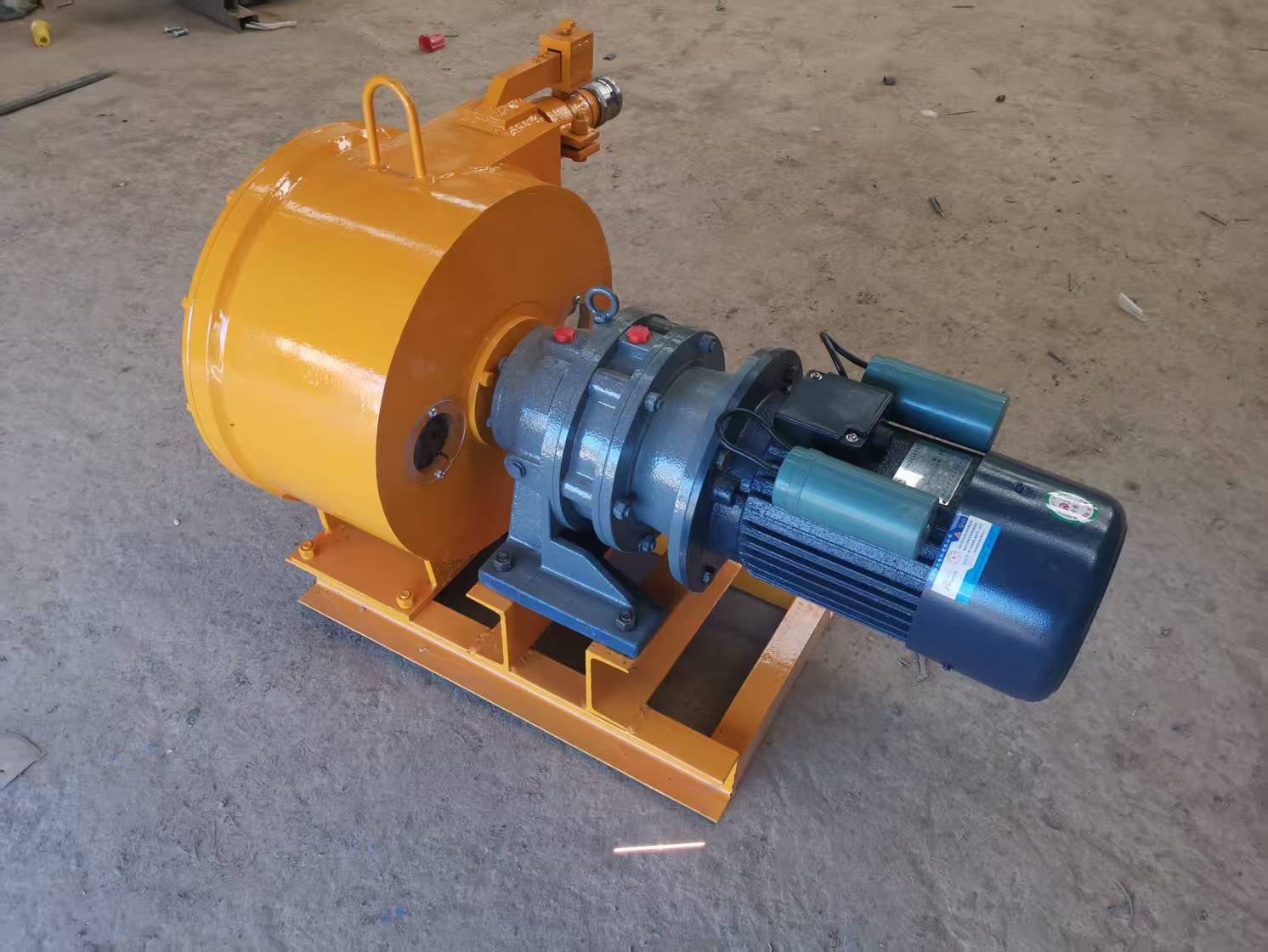
Admixtures are essential ingredients added to concrete besides cement, water, and aggregates to modify its properties. From improving flow with a plasticizer for concrete to speeding up curing with a concrete accelerator, these additives solve real-world problems on job sites every day.
2. Understanding Admixture Types
Not all admixtures are created equal. The American Concrete Institute (ACI) classifies them into chemical and mineral categories. Here’s a quick breakdown of the most common types you’ll encounter:
- Water reducing admixtures (including mid-range and high-range like superplasticizers)
- Concrete retarder and admixture retarder for hot-weather pours
- Accelerating admixtures for concrete to shorten setting time
- Air entraining admixture to boost freeze-thaw resistance
- Waterproofing admixture such as integral waterproofer or crystalline waterproofing admixture
- Fiber reinforcement like polypropylene fibres for concrete or steel fibers for concrete
- Foaming agents for lightweight or foam concrete applications
3. Step-by-Step: How to Select the Best Admixture for Concrete
3.1 Identify Your Primary Goal
Ask yourself: What problem are you solving? Need faster formwork removal? Use a concrete accelerator. Pouring in summer heat? A concrete retarder admixture will help. Want crack-resistant slabs? Add polypropylene fibre or macro fibers.
3.2 Match Admixture to Environmental Conditions
Cold weather demands accelerating admixtures for concrete to maintain early strength gain. In freezing climates, air entraining concrete is non-negotiable—it creates microscopic air bubbles that prevent damage during freeze-thaw cycles.
3.3 Consider Compatibility
Always check compatibility between your cement type and admixture chemical. For example, some superplasticizer admixtures (especially naphthalene-based) may interact poorly with certain cements. Polycarboxylate ether superplasticizer (PCE) is generally more versatile and offers superior slump retention.
4. Practical Mixing Guide: Adding Admixtures Correctly
4.1 Dosage Matters
Overdosing a superplasticizer in concrete can cause segregation or excessive bleeding. Under-dosing a concrete water reducer won’t achieve desired workability. Always follow manufacturer specs—typically 0.5% to 2% by weight of cement for most chemical admixtures.
4.2 Add at the Right Time
Most liquid admixtures (like super plasticizers or concrete accelerator) should be added after initial mixing of cement, water, and aggregates—but before final discharge. Dry powders (e.g., some waterproof admix or fiberfor concrete mix) can be blended with dry ingredients first.
4.3 Mix Thoroughly
Mix for at least 2–3 minutes after adding admixtures. Inadequate mixing leads to inconsistent performance—especially with fiber reinforced concrete or concrete additives fiber.
5. Common Problems & Fixes
5.1 Concrete Sets Too Fast
Likely cause: High ambient temperature or overuse of concrete accelerator. Solution: Switch to a surface retarder concrete or add a concrete retarder admixture next batch.
5.2 Poor Workability Despite Using Plasticizer
Check if you used an outdated or incompatible plasticizer admixture. Modern superplasticizer admixture (especially PCE-based) outperforms older melamine or naphthalene types. Also, verify water-cement ratio—too little water negates plasticizer benefits.
5.3 Cracking in Slabs
Add reinforcement fiber for concrete—polypropylene fibres for concrete are cost-effective and reduce plastic shrinkage cracks. For structural toughness, consider steel fiber reinforced concrete.
5.4 Water Seepage Through Walls
Use a crystalline waterproofing admixture or cement waterproofing additive mixed directly into the batch. These create insoluble crystals that block capillary pores—far more effective than surface coatings alone.
6. Specialized Applications
6.1 Lightweight Concrete
For CLC (cellular lightweight concrete), use a protein-based foaming agent or synthetic foaming agent for concrete. Ensure your foaming agent used in foam concrete is stable and compatible with your mix design.
6.2 Decorative Concrete
Colored concrete or stamped concrete colors require compatible release agents. Use a water-based release agent with color powder to avoid interfering with tinted concrete finishes.
6.3 Siding & Exterior Panels
Fiber cement siding (like Hardie or CertainTeed concrete siding) often uses fiber reinforced concrete with cellulose or synthetic fibers. Coconut fiber reinforced concrete is emerging as a sustainable option for non-structural panels.
7. Conclusion
Choosing the right admixture used in concrete isn’t guesswork—it’s science paired with practical know-how. Whether you need a fast curing concrete additive, an air entraining agent for durability, or the best superplasticizer for concrete flow, always match the product to your project’s specific needs. Test small batches first, follow dosage guidelines, and never skip compatibility checks. With the right concrete admixture types in your toolkit, you’ll pour stronger, smoother, and longer-lasting concrete every time.
Our Website founded on October 17, 2012, is a high-tech enterprise committed to the research and development, production, processing, sales and technical services of ceramic relative materials such as How. Our products includes but not limited to Boron Carbide Ceramic Products, Boron Nitride Ceramic Products, Silicon Carbide Ceramic Products, Silicon Nitride Ceramic Products, Zirconium Dioxide Ceramic Products, etc. If you are interested, please feel free to contact us.