Professional solutions on concrete addtives, Concrete Foaming Agent, Superplasticizer, CLC Blocks Additives, and foaming machine

What Are the Best Admixtures for Modern Concrete Projects—and How Do They Compare?
1. Introduction
Just 24 hours ago, a major infrastructure report released by the American Concrete Institute (ACI) highlighted a 37% surge in the global use of high-performance concrete admixtures over the past year—driven by demand for sustainable, durable, and fast-curing structures. This spike underscores how critical admixtures have become in modern construction. Whether you’re pouring a driveway or building a skyscraper, the right concrete admixture can dramatically alter strength, workability, curing time, and longevity.
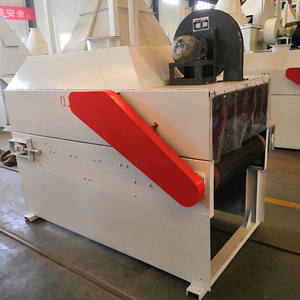
In this deep-dive analysis, we’ll break down the most impactful admixture types used in concrete today—from superplasticizers to waterproofing agents and fiber reinforcements—comparing their chemistry, advantages, limitations, and ideal applications.
2. Understanding Admixture Types
Concrete admixtures are chemical or mineral additives blended into concrete mixes to enhance specific properties. Broadly categorized as chemical or mineral admixtures, they fall under several functional groups: water reducers, accelerators, retarders, air-entrainers, waterproofers, and fiber reinforcements.
2.1 Superplasticizers: The Workability Game-Changer
Superplasticizers—also called high-range water reducers—are among the most widely used concrete chemicals today. These include naphthalene-based (SNF), melamine-based (SMF), and polycarboxylate ether (PCE) types. While SNF and SMF rely on sulfonated polymers, PCE superplasticizers use advanced comb-shaped molecules that provide superior dispersion with less dosage.
PCE-based superplasticizer admixtures offer up to 40% water reduction without sacrificing flow, enabling self-consolidating concrete (SCC) and ultra-high-strength mixes. In contrast, naphthalene superplasticizer tends to lose effectiveness faster and may cause slight air entrainment. For projects demanding precision and sustainability, polycarboxylate superplasticizer is increasingly the best admixture for concrete.
- Polycarboxylate ether (PCE): High slump retention, low dosage, eco-friendly
- Naphthalene sulfonate: Cost-effective but limited slump retention
- Melamine sulfonate: Good for precast but less efficient than PCE
2.2 Air Entraining Admixtures: Freeze-Thaw Defense
Air entraining concrete contains microscopic air bubbles created by air entraining agents like vinsol resin or synthetic surfactants. These bubbles act as pressure relief valves during freeze-thaw cycles, preventing cracking—a must for roads, bridges, and outdoor slabs in cold climates.
While essential for durability, overuse can reduce compressive strength. Proper dosage (typically 4–7% air content) is crucial. Unlike accidental entrapped air, air entraining admixture creates uniformly sized, stable voids that significantly extend service life.
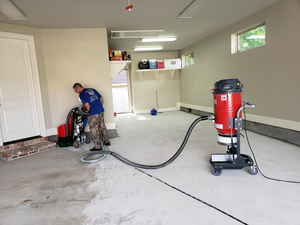
2.3 Waterproofing Admixtures: Beyond Surface Coatings
Traditional sealers wear off, but integral waterproofers become part of the concrete matrix. Two main types dominate: hydrophobic additives (like stearates) and crystalline waterproofing admixtures.
Crystalline waterproofing admixture reacts with water and unhydrated cement to form insoluble crystals that block capillary pores—offering permanent, self-healing protection. Brands like Xypex or Kryton lead here. Meanwhile, cement waterproofing additives based on silanes/siloxanes repel water but don’t heal cracks. For basements or water tanks, crystalline systems are often the superior concrete waterproof admix choice.
2.4 Retarders and Accelerators: Controlling Cure Time
Concrete retarder admixtures (e.g., lignosulfonates or gluconates) delay setting—ideal for hot weather or long hauls. Conversely, accelerating admixtures for concrete (like calcium chloride or non-chloride alternatives) speed early strength gain, crucial for fast-track projects.
Note: Calcium chloride boosts early strength but risks corrosion in reinforced concrete. Non-chloride accelerators are safer but cost more. Surface retarder concrete products are also used decoratively to expose aggregates in stamped finishes.
2.5 Fiber Reinforcement: From Micro to Macro
Fibers for concrete aren’t just filler—they improve crack resistance, impact strength, and ductility. Options range from polypropylene fibres for concrete (microfibers that control plastic shrinkage) to steel fibers for concrete (macrofibers that replace rebar in some applications).
Polypropylene fibre is common in residential slabs and shotcrete. Steel fiber reinforced concrete excels in industrial floors and tunnel linings. Emerging options like carbon fiber reinforcement in concrete offer ultra-high tensile strength but at premium costs. Coconut fiber reinforced concrete is gaining traction in eco-building circles, though it’s not yet mainstream for structural use.
For homeowners exploring siding, fiber cement siding (often called concrete fiber siding) uses cellulose or synthetic fibers in a cement matrix—offering wood-like aesthetics with fire and pest resistance. Brands like Hardie and CertainTeed dominate this market.
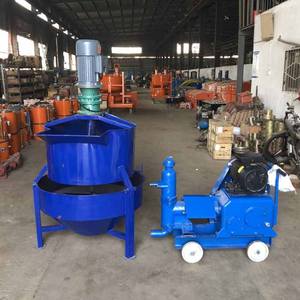
2.6 Foaming Agents and Specialty Additives
Foaming agent used in foam concrete enables lightweight cellular concrete (CLC) for insulation blocks or void filling. Protein-based foaming agents yield stable, fine-cell foam, while synthetic types offer consistency. CLC foaming agent price varies widely, but performance hinges on foam stability and compatibility with cement.
Other niche additives include concrete release agents (powder or spray) for stamping, colored concrete powders for aesthetic finishes, and white cement for architectural elements like countertops or decorative panels.
3. Conclusion
Choosing the right admixture used in concrete isn’t about finding a single ‘best’ option—it’s about matching chemistry to context. Need fluidity without extra water? Go PCE superplasticizer. Building in Minnesota? Prioritize air entraining. Pouring a basement in rainy season? Crystalline waterproofing admixture is wise. With today’s advanced concrete additives, performance and sustainability go hand-in-hand—if you know which admixture types to deploy.
Our Website founded on October 17, 2012, is a high-tech enterprise committed to the research and development, production, processing, sales and technical services of ceramic relative materials such as What. Our products includes but not limited to Boron Carbide Ceramic Products, Boron Nitride Ceramic Products, Silicon Carbide Ceramic Products, Silicon Nitride Ceramic Products, Zirconium Dioxide Ceramic Products, etc. If you are interested, please feel free to contact us.