Professional solutions on concrete addtives, Concrete Foaming Agent, Superplasticizer, CLC Blocks Additives, and foaming machine

10 Essential Types of Admixtures Every Concrete Professional Should Know in 2024
1. Introduction
In a major development reported just hours ago, global construction chemical leader Chryso announced a breakthrough in low-carbon superplasticizer technology that reduces cement usage by up to 30% while maintaining strength—highlighting the rapidly evolving role of admixtures in sustainable building practices. This innovation underscores why understanding concrete admixtures is more critical than ever for engineers, contractors, and architects.
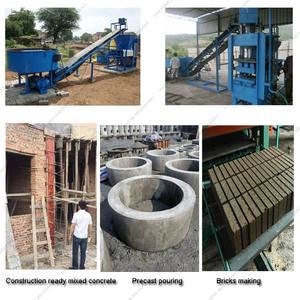
Admixtures—also referred to as concrete additives or concrete chemicals—are materials added to concrete before or during mixing to modify its properties. Whether improving workability, accelerating curing, or enhancing durability, the right admixture can transform ordinary concrete into a high-performance material tailored for specific environmental and structural demands.
2. What Are Admixtures?
Admixtures are classified as either chemical or mineral additions incorporated into concrete mixes to achieve desired characteristics. The term ‘ad mixtures’ is sometimes used colloquially, but industry standards refer to them as ‘concrete admixtures’ or ‘cement admixtures.’ These substances are essential in modern construction, enabling everything from fast-curing infrastructure repairs to freeze-thaw-resistant pavements.
3. Key Types of Concrete Admixtures
Concrete admixture types fall into several functional categories. Selecting the best admixture for concrete depends on project requirements such as climate, structural load, setting time, and exposure conditions.
- Water reducing admixtures (including mid-range and high-range water reducers) improve workability without adding extra water, enhancing strength and durability.
- Superplasticizers (also called super plasticizers or high-range water reducers) dramatically increase flowability. Polycarboxylate ether (PCE)-based superplasticizers are now the gold standard due to their efficiency and compatibility with modern cements.
- Concrete retarders delay setting time, useful in hot weather or for long hauls; examples include admixture retarder and surface retarder concrete.
- Concrete accelerators shorten curing time—ideal for cold climates or rapid-turnaround projects—and directly impact concrete accelerator curing time.
- Air entraining admixtures introduce microscopic air bubbles, improving resistance to freeze-thaw cycles. Terms like air entraining agent, air entraining concrete, and air entraining cement all describe this critical category.
- Waterproofing admixtures, such as integral waterproofer, crystalline waterproofing admixture, and cement waterproofing additive, provide internal moisture resistance without surface coatings.
4. Superplasticizers: The Game-Changer in Modern Concrete
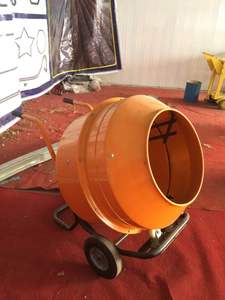
Superplasticizer in concrete has revolutionized mix design. Unlike traditional plasticizer for concrete or concrete plasticiser, modern superplasticizer admixture—especially PCE-based variants—offers superior slump retention and lower dosage requirements. These concrete superplasticizer additives enable self-consolidating concrete (SCC) and high-strength formulations without segregation.
The best superplasticizer for concrete today often features polycarboxylate ether chemistry, known for its molecular precision and environmental compatibility. Brands like Chryso admixture lead this segment, offering tailored solutions for complex builds.
5. Waterproofing and Durability Enhancers
Waterproof admix technologies have advanced significantly. Crystalline waterproofing admixture reacts with water and unhydrated cement particles to form insoluble crystals that block capillary pores. Similarly, concrete waterproofing additive and admixture waterproofing systems eliminate the need for external membranes in basements, tunnels, and water tanks.
Integral waterproofer and cement waterproofing additive are increasingly specified in green building projects where long-term moisture control is non-negotiable.
6. Fiber Reinforcement: Beyond Traditional Rebar
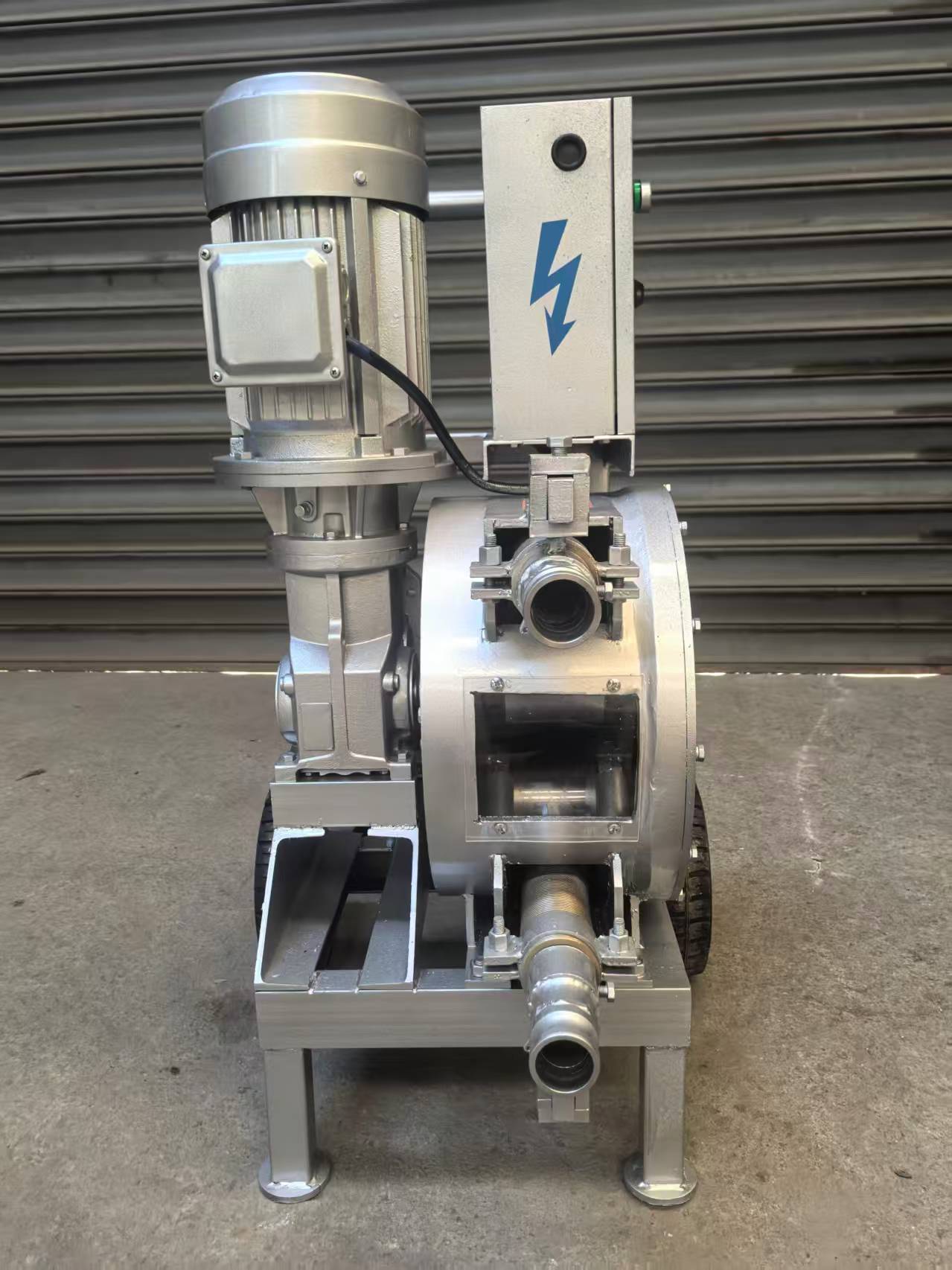
Fibers for concrete—such as polypropylene fibres for concrete, steel fibers for concrete, and even coconut fiber reinforced concrete—add tensile strength and crack resistance. Fiber reinforced concrete is now standard in industrial floors, shotcrete, and seismic zones.
Macro fibers and microfibers serve different purposes: macro fibers (like those in fibermesh concrete) control structural cracking, while concrete microfiber improves surface integrity. Carbon fiber reinforcement in concrete remains niche but promising for ultra-high-performance applications.
Note: While terms like concrete fiber siding, fibercement siding, and Hardie concrete siding appear in searches, they refer to exterior cladding—not structural concrete admixtures—and are outside the scope of this technical overview.
7. Specialty Admixtures for Aesthetics and Processing
Beyond performance, admixtures support architectural expression. Colored concrete and stamped concrete colors rely on pigments and release agents—such as concrete release agent, powder release agent, and spray release—to achieve finishes like charcoal stamped concrete or terra cotta concrete color.
Foaming agents for foam concrete (including CLC foaming agent and protein-based foaming agent) enable lightweight cellular concrete used in insulation blocks and void filling. Meanwhile, white cement—often paired with superplasticizer for workability—is preferred for decorative countertops and façades.
8. Choosing the Right Admixture
Selecting an admixture used in concrete requires balancing performance, cost, and compatibility. Always review the bio data sheet for chemical composition and dosage guidelines. For example, naphthalene-based superplasticizer may be cheaper but less efficient than PCE alternatives. Similarly, melamine superplasticizer suits certain precast applications but lacks the slump retention of modern polycarboxylate concrete admixture.
Consult manufacturers for site-specific recommendations—especially when combining multiple concrete additives, as interactions can affect setting or strength gain.
9. Conclusion
From superplasticizer admixture to air entraining and waterproofing solutions, concrete admixtures are indispensable tools in 21st-century construction. As innovations like Chryso’s low-carbon formulations emerge, professionals must stay informed to leverage these chemical admixtures for stronger, greener, and more resilient structures. Whether you’re specifying a concrete water reducer or evaluating fiberfor concrete mix options, understanding admixture types ensures optimal outcomes in every pour.
Our Website founded on October 17, 2012, is a high-tech enterprise committed to the research and development, production, processing, sales and technical services of ceramic relative materials such as 10. Our products includes but not limited to Boron Carbide Ceramic Products, Boron Nitride Ceramic Products, Silicon Carbide Ceramic Products, Silicon Nitride Ceramic Products, Zirconium Dioxide Ceramic Products, etc. If you are interested, please feel free to contact us.