Professional solutions on concrete addtives, Concrete Foaming Agent, Superplasticizer, CLC Blocks Additives, and foaming machine

What Are Admixtures and How Do They Transform Concrete Performance?
1. Introduction
Ever wonder how modern concrete achieves such incredible strength, workability, or durability? The secret often lies in admixtures—special ingredients added to concrete beyond cement, water, and aggregates. These concrete additives fine-tune everything from setting time to resistance against water, freeze-thaw cycles, and cracking.
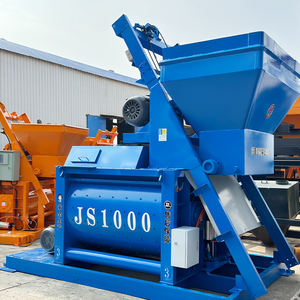
Admixtures have revolutionized construction by making concrete more versatile, sustainable, and efficient. Whether you’re pouring a driveway, building a high-rise, or crafting decorative stamped concrete, there’s likely an admixture designed just for your needs.
2. What Are Admixtures?
Admixtures (sometimes spelled ‘ad mixtures’) are chemical or mineral substances added to concrete before or during mixing. They typically make up less than 5% of the total mix but can dramatically alter its behavior. Used correctly, they improve workability, durability, strength, and aesthetics without compromising structural integrity.
The term ‘concrete admixture’ encompasses a wide range of products—from liquid superplasticizers to powdered waterproofing agents. They fall into two broad categories: chemical admixtures and mineral admixtures.
3. Common Types of Concrete Admixtures
Not all admixtures serve the same purpose. Here’s a breakdown of the most widely used types:
- Water reducing admixtures (including superplasticizers) cut water content while maintaining flow, boosting strength and durability.
- Concrete accelerators speed up curing time—ideal for cold weather or fast-track projects.
- Concrete retarders delay setting, useful in hot climates or for complex pours.
- Air entraining admixtures introduce tiny air bubbles to protect against freeze-thaw damage.
- Waterproofing admixtures (like integral waterproofer or crystalline waterproofing admixture) block moisture penetration.
- Fiber reinforcement (polypropylene, steel, or even coconut fiber) reduces cracking and boosts toughness.
- Foaming agents create lightweight cellular concrete for insulation or fill applications.
4. Superplasticizers: The Game-Changer in Concrete Flow
Among the best admixture for concrete in terms of performance is the superplasticizer. Also called high-range water reducers, super plasticizers allow for highly fluid mixes with minimal water—critical for self-consolidating or high-strength concrete.
Modern superplasticizer in concrete often uses polycarboxylate ether (PCE), offering superior slump retention and compatibility with various cements. Older types include naphthalene- or melamine-based formulas, but PCE-based superplasticizers dominate today due to efficiency and eco-friendliness.
A concrete water reducer like a superplasticizer admixture can reduce water content by 30% or more, directly increasing compressive strength and reducing permeability.
5. Controlling Time: Accelerators vs. Retarders
Need concrete to set fast? Accelerating admixtures for concrete—often containing calcium chloride or non-chloride alternatives—shorten initial and final setting times. This is vital for emergency repairs or winter concreting.
On the flip side, a concrete retarder admixture (or surface retarder concrete for exposed aggregate finishes) keeps the mix workable longer. This prevents cold joints and allows intricate stamping or coloring of decorative surfaces.
Choosing between a concrete accelerator and a concrete retarder depends on ambient temperature, project timeline, and desired finish.
6. Durability Boosters: Air Entraining and Waterproofing
Air entraining concrete contains microscopic air bubbles created by an air entraining agent. These bubbles act as pressure relief valves during freezing, preventing internal damage—a must in northern climates.
For wet environments, waterproofing admixture for concrete is essential. Options include cement waterproofing additive, crystalline waterproofing admixture, or concrete waterproof admix. Unlike surface sealers, these integral solutions work from within, offering long-term protection.
Brands like Chryso offer advanced admixture waterproofing systems trusted in infrastructure projects worldwide.
7. Reinforcement Beyond Rebar: Fibers in Concrete
Fiber reinforced concrete adds another dimension of performance. Whether it’s polypropylene fibres for crack control, steel fibers for impact resistance, or carbon fiber reinforcement in concrete for ultra-high strength, fibers enhance toughness without traditional rebar.
Popular in siding and panels, concrete fiber siding (also called fibercement siding or fiber concrete) mimics wood grain while resisting rot and fire. Products from Hardie or CertainTeed use fiber for concrete mix to achieve realistic textures at lower maintenance costs.
Macro fibers and microfibers serve different roles—macro for structural ductility, micro for early-age shrinkage control.
8. Specialized Additives: Color, Release, and Foam
Colored concrete relies on pigments and release agents. Stamped concrete colors—from charcoal to terra cotta—are applied using powder release agents or spray release agents that also prevent sticking to molds.
For lightweight fills or insulation, a concrete foaming agent (like CLC foaming agent or protein-based foaming agent) creates stable foam mixed into cement to produce aircrete or foamcrete.
Even white cement gets a boost from admixtures—used in countertops or decorative elements where brightness and purity matter.
9. Choosing the Right Admixture
Selecting the best admixture for concrete starts with understanding your project’s environmental exposure, strength requirements, and aesthetic goals. Always consult technical data sheets and consider compatibility with other concrete chemicals.
Many contractors source admixtures from suppliers like Home Depot or specialized manufacturers, especially for common needs like concrete additives fiber or fast curing concrete additives.
10. Conclusion
Admixtures are the unsung heroes of modern concrete technology. From superplasticizer admixture that enables skyscraper foundations to air entraining cement that protects rural bridges, these additives solve real-world challenges efficiently and sustainably.
As innovation continues—think bio-based retarders or smart crystalline waterproofers—the future of concrete will be shaped not just by what’s in it, but by what’s added to it.
Our Website founded on October 17, 2012, is a high-tech enterprise committed to the research and development, production, processing, sales and technical services of ceramic relative materials such as What. Our products includes but not limited to Boron Carbide Ceramic Products, Boron Nitride Ceramic Products, Silicon Carbide Ceramic Products, Silicon Nitride Ceramic Products, Zirconium Dioxide Ceramic Products, etc. If you are interested, please feel free to contact us.