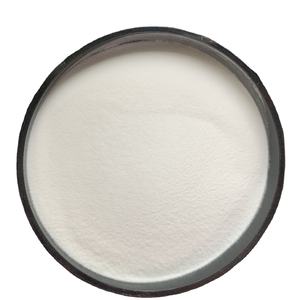
Professional solutions on concrete addtives, Concrete Foaming Agent, Superplasticizer, CLC Blocks Additives, and foaming machine

Admixtures Are the Secret Sauce Behind Modern Concrete Magic—Especially in 3D-Printed Homes
1. Introduction
Just 24 hours ago, a startup in Texas unveiled the world’s first fully 3D-printed net-zero home using locally sourced materials—and guess what made it possible? Not just fancy printers, but a cocktail of high-performance concrete admixtures. Yep, those unsung heroes hiding in every modern concrete mix are now starring in the future of construction.
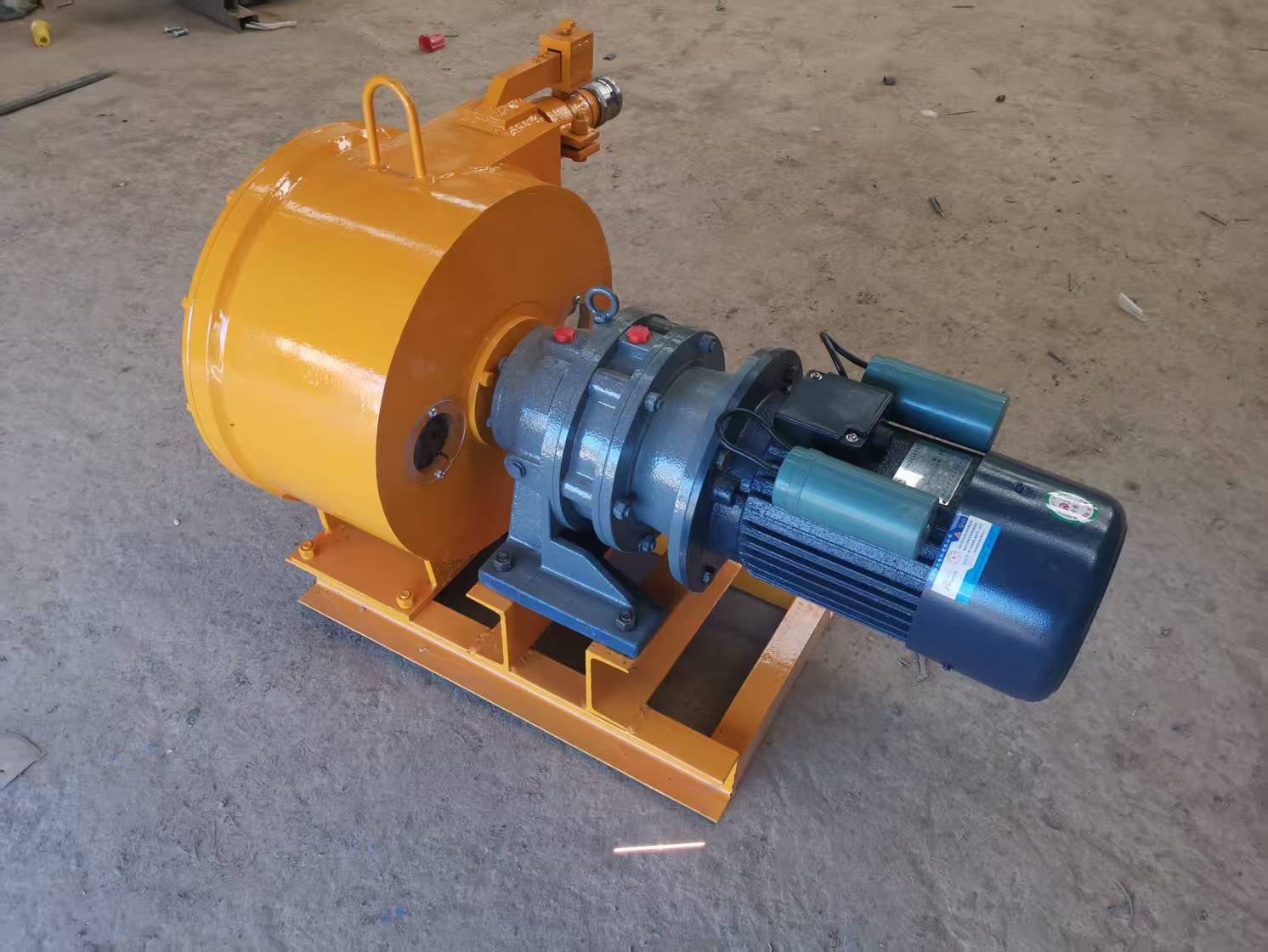
Forget your grandpa’s concrete. Today’s mixes are more like gourmet recipes than gray sludge. And in advanced fields like 3D concrete printing, the right admixture isn’t optional—it’s existential. Without them, your dream of printing a house layer by layer would end in a sad puddle of slurry.
2. Why Admixtures Rule the Concrete World
Concrete admixtures are chemical additives that tweak everything from flow to curing time to weather resistance. Think of them as the spice rack for cement chefs. Need it to pour like silk? Add a superplasticizer. Want it to survive Arctic winters? Toss in an air entraining admixture. Trying to print a two-story house without formwork? You’ll need a whole pharmacy of concrete chemicals.
- Superplasticizers (aka high-range water reducers) slash water content while boosting workability—critical for pumpable, printable mixes.
- Air entraining agents create microscopic bubbles that prevent freeze-thaw damage.
- Waterproofing admixtures like crystalline waterproofing admixture or integral waterproofer keep moisture out without surface coatings.
3. The Star Application: 3D-Printed Concrete
3D concrete printing demands perfection. The mix must be fluid enough to extrude through a nozzle yet stiff enough to hold its shape instantly. No sagging. No slumping. Just clean, crisp layers stacking skyward like a concrete lasagna.
Enter the superplasticizer in concrete—specifically polycarboxylate ether (PCE)-based superplasticizers. These are the gold standard for printable mixes. They offer exceptional flow without excess water, which is vital because too much water = weak layers = pancake house.
But flow isn’t enough. You also need controlled setting. That’s where concrete retarder and concrete accelerator play tag team. A surface retarder concrete might delay skin formation on the top layer, while a concrete accelerator curing time booster ensures lower layers harden fast. It’s a delicate dance choreographed by admixture types.
4. Beyond Flow: Durability Through Smart Additives
A printed house isn’t just about standing up—it’s about lasting decades. That’s where waterproof admix shines. Crystalline waterproofing admixture reacts with moisture to grow crystals inside pores, blocking water permanently. No peeling paint. No mold. Just dry, happy walls.
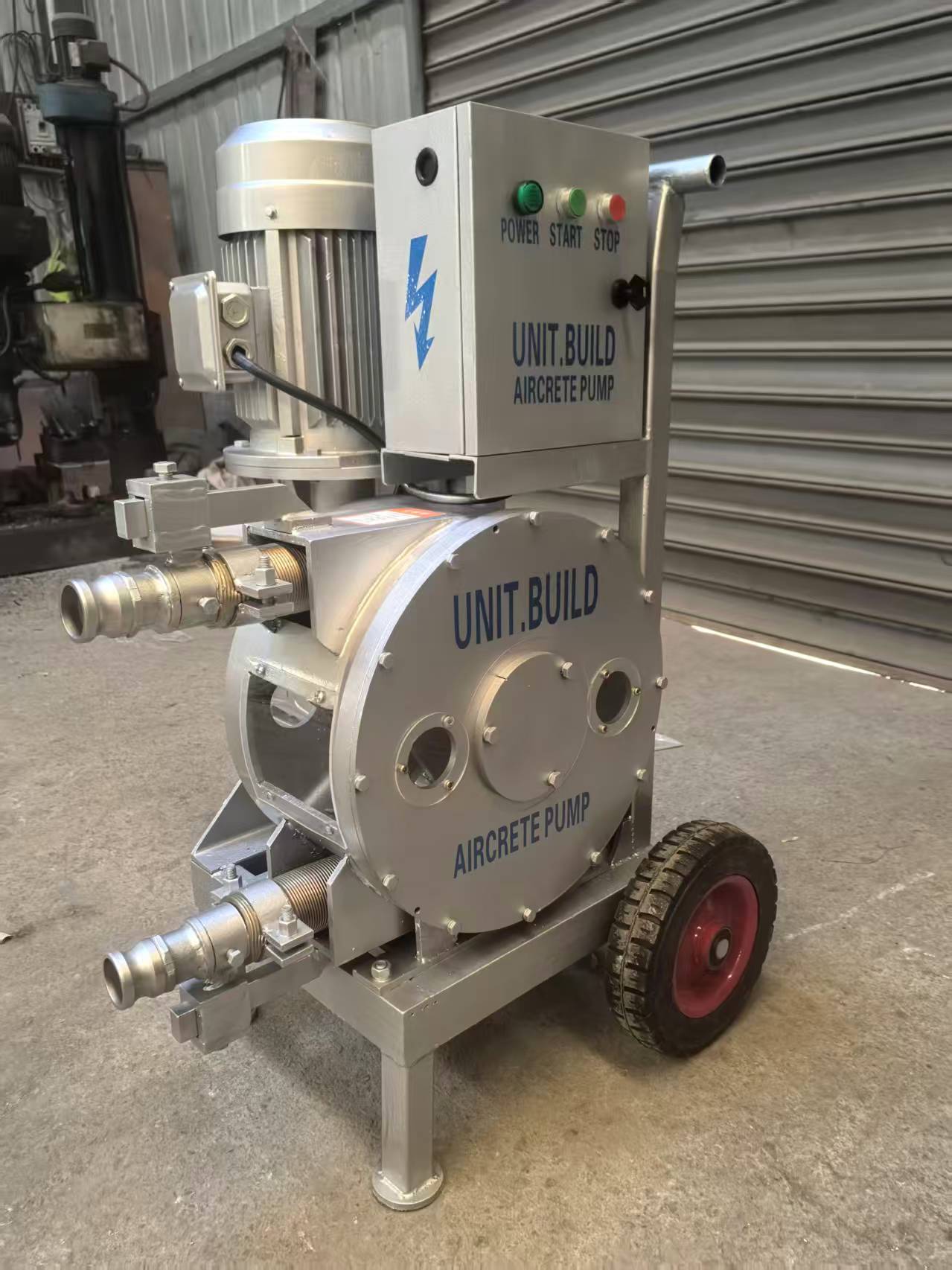
And let’s not forget fiber reinforcement. Fibers for concrete—like polypropylene fibres for concrete or steel fibers for concrete—add tensile strength and crack control. In 3D printing, where there’s no rebar in early layers, macro fibers or microfibers act as internal skeletons. Coconut fiber reinforced concrete? Still experimental—but hey, sustainability points!
5. Real-World Mix Design: What’s Actually in the Nozzle?
A typical 3D-printable mix might include:
- Cement + fine aggregates (no big rocks—they clog nozzles)
- A PCE-based superplasticizer admixture (for ultra-high workability at low w/c ratios)
- A mid-range water reducer to fine-tune consistency
- An air entraining concrete agent for climate resilience
- Polypropylene fibre or steel fiber reinforced concrete additives for ductility
- Optional: crystalline waterproofing admixture for basements or wet zones
Brands like Chryso admixture or Sika offer tailored solutions, but the best admixture for concrete depends on your printer, climate, and design. There’s no one-size-fits-all—only smart customization.
6. Bonus: Colored & Finished Surfaces Straight from the Printer
Want your 3D-printed home to look like wood? Or charcoal gray? Colored concrete is totally doable. Add tinted concrete powder or colored concrete additives during mixing. Pair it with a concrete release agent (like a water-based release agent) if you’re stamping textures post-print.
And yes—modern concrete siding that looks like wood (think Hardie or CertainTeed styles) can even be integrated into printed façades using fiber cement siding techniques enhanced with concrete additives fiber for flexibility.
7. Conclusion
From superplasticizer in concrete to air entraining admixture and crystalline waterproofing admixture, these concrete chemicals are the invisible engineers behind tomorrow’s buildings. In niche applications like 3D printing, they don’t just improve performance—they enable the impossible. So next time you see a sleek, curvy concrete home rising from a robotic arm, tip your hat to the humble admixture. It’s not just mixed in—it’s mission-critical.
Our Website founded on October 17, 2012, is a high-tech enterprise committed to the research and development, production, processing, sales and technical services of ceramic relative materials such as Admixtures. Our products includes but not limited to Boron Carbide Ceramic Products, Boron Nitride Ceramic Products, Silicon Carbide Ceramic Products, Silicon Nitride Ceramic Products, Zirconium Dioxide Ceramic Products, etc. If you are interested, please feel free to contact us.