Professional solutions on concrete addtives, Concrete Foaming Agent, Superplasticizer, CLC Blocks Additives, and foaming machine

What Are the Best Admixtures for Modern Concrete Projects?
1. Introduction
Just 24 hours ago, a major breakthrough was announced by a leading European construction materials lab: a new generation of eco-friendly polycarboxylate ether (PCE) superplasticizers that reduce cement usage by up to 20% without compromising strength. This innovation underscores how rapidly concrete admixtures are evolving to meet sustainability and performance demands.
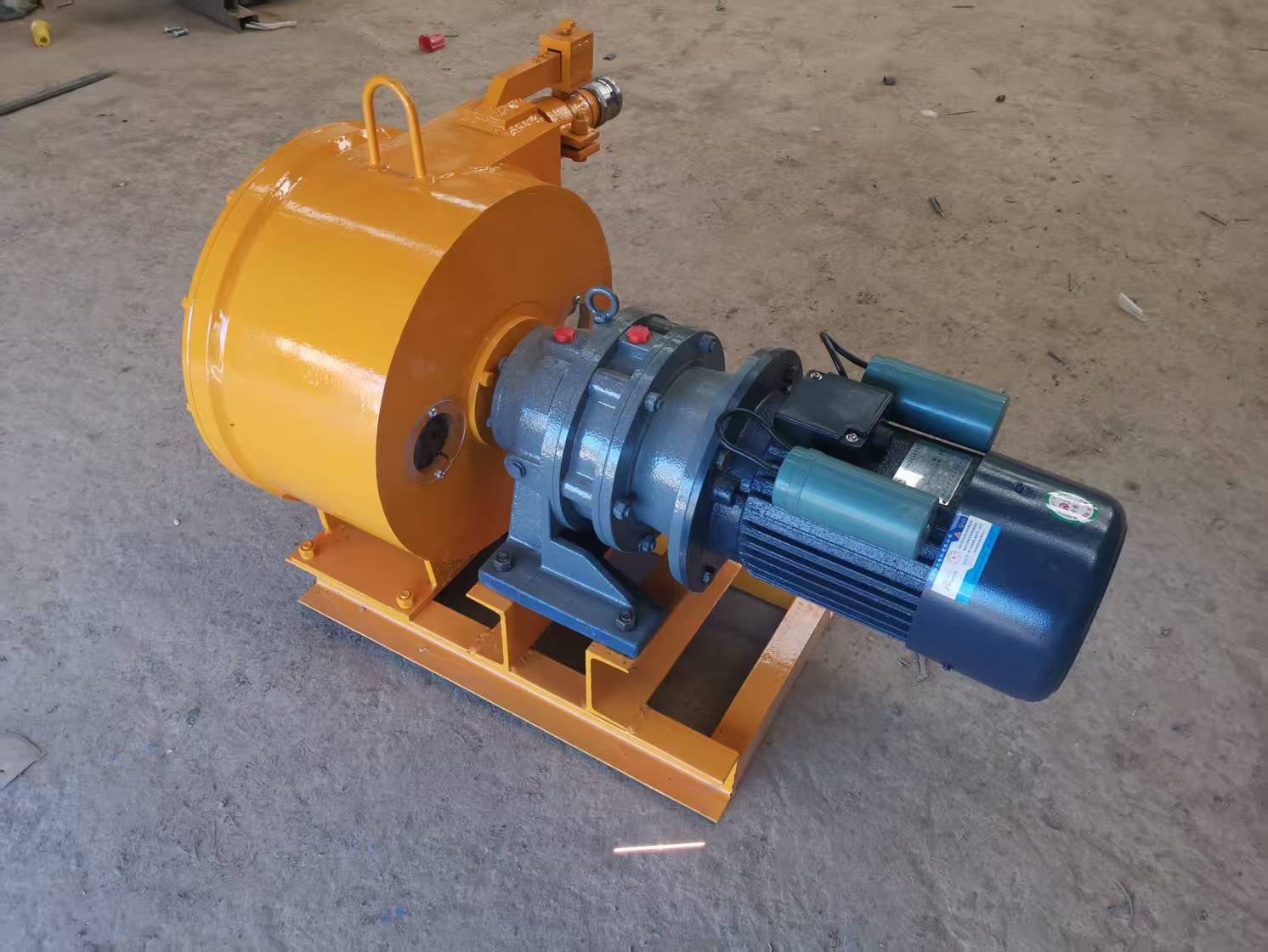
Concrete is no longer just cement, sand, and water. Today’s high-performance mixes rely heavily on chemical and mineral additives—collectively called admixtures—to enhance workability, durability, curing speed, and aesthetics. Whether you’re pouring a driveway, building a skyscraper, or installing modern concrete siding, choosing the right admixture can make or break your project.
2. Understanding Admixture Types
Admixtures fall into two broad categories: chemical and mineral. Chemical admixtures include superplasticizers, accelerators, retarders, and air-entraining agents. Mineral admixtures—like fly ash or silica fume—improve long-term strength and reduce permeability.
Among chemical options, the most widely used are water reducing admixtures, especially superplasticizers. But not all superplasticizers are created equal. Let’s compare the two dominant families.
3. Naphthalene vs. Polycarboxylate Superplasticizers
Naphthalene-based superplasticizers (often called SNF) have been industry staples for decades. They’re cost-effective and provide good slump retention for standard applications. However, they offer limited water reduction (15–20%) and can cause faster slump loss over time.
In contrast, polycarboxylate ether (PCE) superplasticizers—the current gold standard—deliver high-range water reduction (up to 40%), superior flowability, and excellent compatibility with modern cements. PCE-based superplasticizer admixtures also enable self-consolidating concrete and ultra-high-performance mixes.
- Naphthalene: cheaper, moderate performance, higher dosage needed
- Polycarboxylate: premium cost, exceptional fluidity, lower dosage, eco-friendlier
For projects demanding precision—like architectural precast or fiber-reinforced concrete—PCE superplasticizers are increasingly the best admixture for concrete.
4. Accelerators, Retarders, and Timing Control
Concrete accelerator admixtures shorten setting time, crucial in cold weather or fast-track projects. Common accelerating admixtures for concrete include calcium nitrate or proprietary blends that boost early strength without corrosion risk.
On the flip side, concrete retarder admixtures delay hydration, useful in hot climates or large pours. Surface retarder concrete products even allow decorative stamping by keeping the surface workable while the core sets.
Choosing between them depends on ambient conditions and schedule. A concrete accelerator curing time of under 4 hours might be ideal for emergency repairs but disastrous for intricate stamped concrete work.
5. Air Entraining and Waterproofing Solutions
Air entraining concrete contains microscopic bubbles that improve freeze-thaw resistance. An air entraining admixture introduces these voids uniformly, preventing cracking in harsh climates. Look for terms like air entraining agent or air entraining cement when specifying mixes for northern regions.
For moisture control, waterproofing admixtures are essential. Options range from integral waterproofer compounds to crystalline waterproofing admixture systems that react with water to form insoluble crystals inside capillaries.
Cement waterproofing additive and concrete waterproof admix products are especially popular in basements, tunnels, and water tanks. Unlike surface sealers, admixture waterproofing works from within—making it more durable and maintenance-free.
6. Fiber Reinforcement: Beyond Steel
Fiber reinforced concrete is transforming structural and aesthetic applications. While steel fibers for concrete offer high tensile strength, polypropylene fibres for concrete (PP fiber concrete) prevent plastic shrinkage cracks and are easier to mix.
Emerging options include coconut fiber reinforced concrete for sustainable builds and carbon fiber reinforcement in concrete for ultra-lightweight, high-strength panels. Fibermesh concrete systems now integrate macro fibers directly at the batch plant.
For homeowners, fiber cement siding—sold by brands like Hardie and CertainTeed—uses cellulose or synthetic fibers in a cement matrix to mimic wood grain while resisting rot and fire. Concrete fiber siding cost has dropped significantly, making it a viable alternative to traditional wood or vinyl.
7. Specialty Additives: Color, Release, and Foam
Colored concrete relies on pigments and release agents. Stamped concrete colors—from charcoal to terra cotta—are achieved using colored concrete powder and matched with compatible concrete release agents (spray or powder) to prevent sticking during imprinting.
Meanwhile, foaming agents for foam concrete enable lightweight CLC blocks and insulating fills. Protein-based and synthetic foaming agents each have trade-offs in stability and cost, with CLC foaming agent price varying by region and performance grade.
White cement, often used with superplasticizers for bright, smooth finishes, is gaining traction in countertops and decorative facades. When paired with a concrete waterproofing additive, it becomes both beautiful and functional.
8. Conclusion
The best admixture for concrete isn’t one-size-fits-all—it depends on climate, design, budget, and performance goals. From PCE superplasticizers enabling greener builds to fiber reinforcements enhancing durability and aesthetics, modern concrete chemicals offer unprecedented control. As innovations like low-carbon PCEs and bio-based foaming agents enter the market, staying informed about admixture types ensures your projects remain efficient, resilient, and future-ready.
Our Website founded on October 17, 2012, is a high-tech enterprise committed to the research and development, production, processing, sales and technical services of ceramic relative materials such as What. Our products includes but not limited to Boron Carbide Ceramic Products, Boron Nitride Ceramic Products, Silicon Carbide Ceramic Products, Silicon Nitride Ceramic Products, Zirconium Dioxide Ceramic Products, etc. If you are interested, please feel free to contact us.