Professional solutions on concrete addtives, Concrete Foaming Agent, Superplasticizer, CLC Blocks Additives, and foaming machine

Liquid Sodium Silicate for Concrete Hardening: Avoid These Costly Mistakes
Why Your Concrete Hardener is Failing
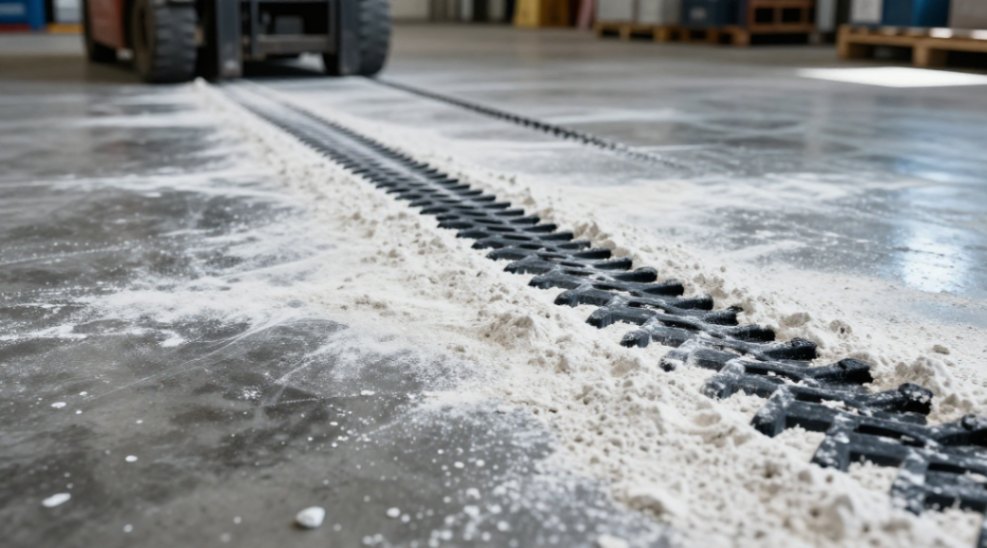
I watched a warehouse foreman spray a slick, watery liquid onto a new floor. He expected a rock-hard, dustproof surface. Two weeks later, a chalky white powder covered everything. Trucks tracked it everywhere. The sealer had failed. That liquid was sodium silicate, applied incorrectly. This story repeats itself daily. Misunderstanding this material leads to wasted budgets and operational headaches.
What Liquid Sodium Silicate Actually Does
You cannot treat sodium silicate like paint. It is a reactive chemical hardener, not a topical coating. Its mechanism is straightforward but unforgiving. The solution, often called waterglass, penetrates the concrete surface pores. Inside, it seeks out free lime-calcium hydroxide-a byproduct of cement hydration.
A chemical reaction occurs. The sodium silicate and free lime form additional calcium silicate hydrate (C-S-H). This is the same glue that holds concrete together. You are growing more of the binder phase within the existing matrix. This process densifies the surface from within. It does not form a film on top.
The Critical Limitations You Must Respect
- It is not a waterproofing membrane. It reduces water permeability but will not stop hydrostatic pressure.
- It requires free lime to react. Old, fully carbonated, or previously sealed concrete may not have enough.
- It is a surface treatment. Penetration is typically 1-4 millimeters. It cannot fix structural cracks or weaknesses.
Application Protocol: The Non-Negotiable Steps
Success depends on preparation and timing. Deviate at your peril.
1. Surface Preparation: The Make-or-Break Phase
Concrete must be clean, sound, and open. All curing compounds, sealers, paints, and laitance must be removed. Mechanical abrasion is the only reliable method. Use diamond grinding or shot blasting. This opens the pores and exposes fresh, reactive concrete. The surface profile should be CSP 2-3 (Concrete Surface Profile). Do not skip this.
2. Application: Precision Over Speed
Apply the sodium silicate solution to a damp, but not wet, surface. A saturated surface dry (SSD) condition is ideal. Use a low-pressure sprayer or a soft-bristled squeegee. Do not puddle the material. Spread it evenly. The concrete should appear uniformly wet. Let it absorb for 20-30 minutes. If dry spots appear, apply a second, light coat to those areas.
3. Curing and Residue Removal
After absorption, a white, powdery residue of unreacted silicates will form on the surface. This is normal. You must remove it. Wait for the surface to dry completely, usually 1-2 hours. Then, scrub the floor with a stiff-bristled brush and clean water. A floor autoscrubber is highly effective. Rinse thoroughly. Any residue left behind will remain as a slippery, dusty film-the most common failure point.
Comparing Concrete Densifiers: Sodium vs. Lithium vs. Potassium
Not all silicate hardeners are equal. The choice matters.
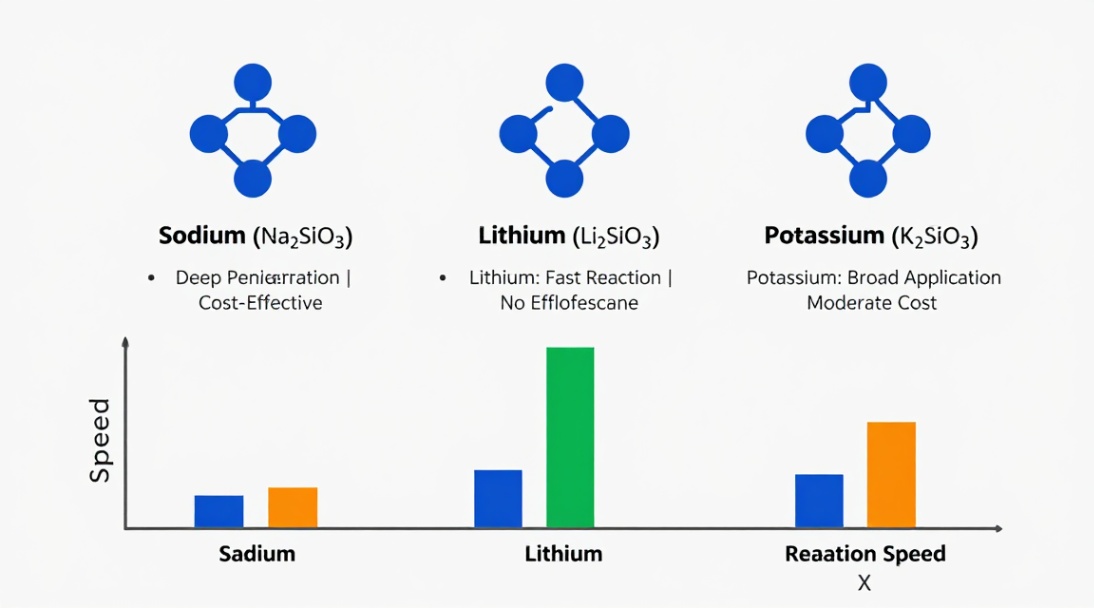
Sodium silicate is the original. It is highly effective and cost-efficient for general industrial use. However, it can leave a slight residue (efflorescence potential) if not cleaned perfectly.
Lithium silicate is a premium option. It reacts more completely with less free lime, making it better for older concrete. It produces virtually no residue. The cost is significantly higher.
Potassium silicate offers performance similar to sodium but with slightly better compatibility in some mix designs.
For 95% of new concrete floors, sodium silicate applied correctly delivers exceptional value. For problem substrates or zero-tolerance for residue, consider lithium.
When to Use It-And When to Walk Away
Ideal Use Cases
- New Industrial Slabs: For dustproofing and early strength development in warehouses, factories, and parking garages.
- Decorative Concrete Preparation: As a primary densifier before applying dyes or stains on polished concrete.
- Surface Refinement: Hardening worn but sound concrete to improve abrasion resistance.
Walk-Away Scenarios
- Concrete with a compressive strength below 3000 psi (20 MPa). The matrix is too weak.
- Surfaces with existing acrylic or epoxy sealers. You must remove them completely first.
- Areas with chronic moisture intrusion or rising damp. This is a job for a true waterproofing system.
Final Recommendations for Success
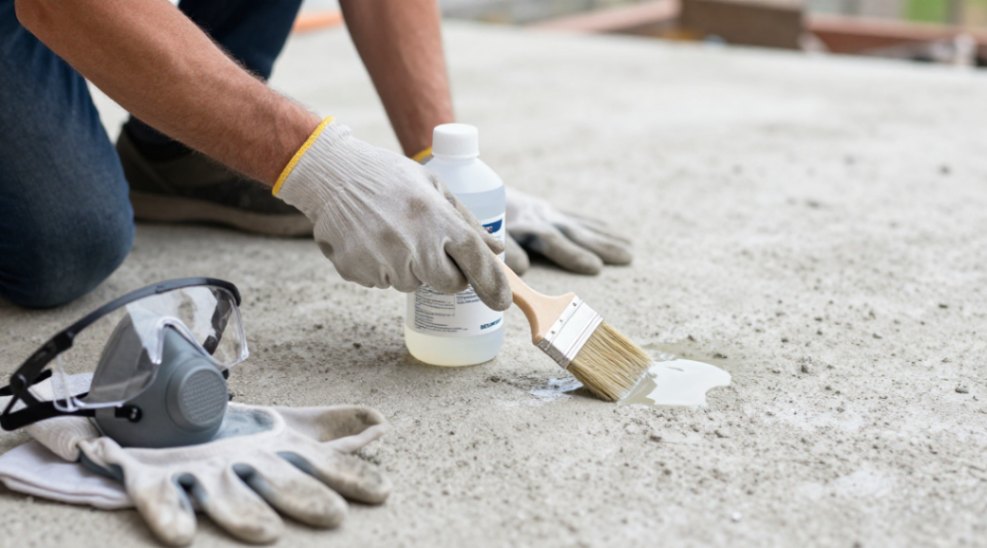
Test a small area first. Always. This confirms substrate reactivity and your cleaning procedure. Follow the manufacturer’s dilution ratios exactly. Do not add water to “make it go further.” This destroys the chemistry. Wear appropriate PPE-safety glasses, gloves, and protective clothing. Sodium silicate is alkaline and can irritate skin and eyes.
The goal is an invisible improvement. Properly hardened concrete will not look different. It will feel harder, produce less dust, and resist light oils and water. It is a foundational treatment, not a finish. Use it to create a superior substrate. Avoid the mistakes. Respect the chemistry. Your floors will last decades, not weeks.
We are the global leader in lightweight concrete and advanced engineered foam solutions. Known globally for its commitment to research, innovation, and applied expertise, we have been providing engineered foam solutions since the early 2012’s.
We can supply high-quality concrete admixture and foam concrete related products all over the world.
The company has a professional technical department and quality supervision department, a well-equipped laboratory, and equipped with advanced testing equipment and after-sales customer service center.
If you are interested, please feel free and contact us.