Professional solutions on concrete addtives, Concrete Foaming Agent, Superplasticizer, CLC Blocks Additives, and foaming machine

The #1 Mistake Architects Make with Eco-Friendly Concrete Form Separators
The Startling Truth About Your Finish
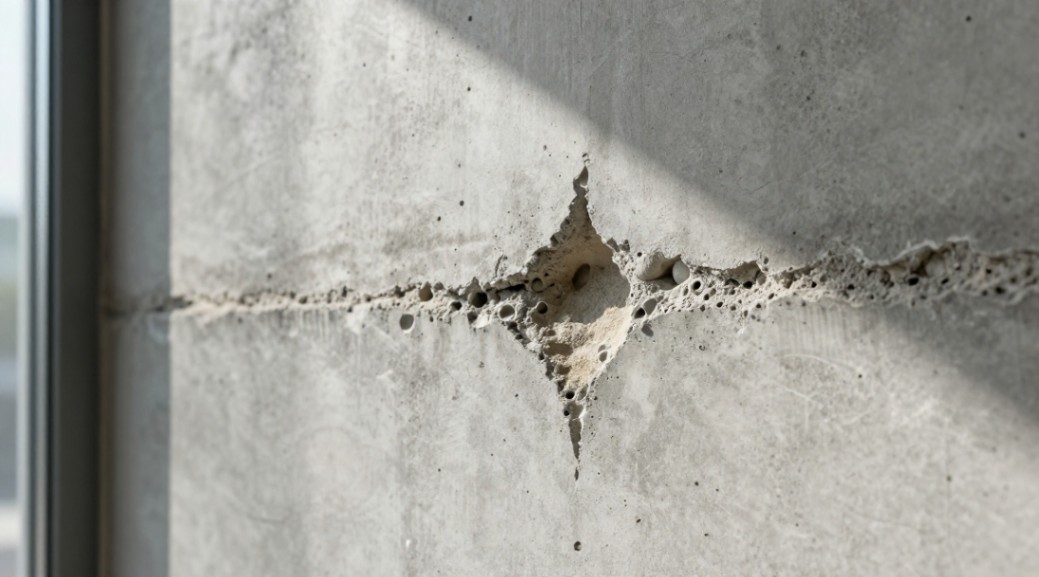
Industry studies show that using the wrong form release agent is the primary cause of surface defects on over 30% of architectural concrete projects. We’re not talking about structural concrete here. We’re talking about the beautiful, exposed surfaces that define your vision. That number should scare you. It represents costly repairs, unhappy clients, and compromised aesthetics.
Q&A: The Essential Guide to Eco-Friendly Form Separators
1. What is a concrete form separator, and why does it matter for architectural finishes?
A concrete form separator is a material applied to formwork before the concrete pour. Its sole job is to prevent the concrete from bonding to the forms. For architectural finishes, it’s not just about release-it’s about creating a flawless, predictable surface without blemishes like pitting, staining, or discoloration.
2. What’s the big mistake everyone makes with traditional separators?
The mistake is thinking a standard petroleum-based release agent is “good enough.” It’s not. These traditional chemicals contain volatile organic compounds (VOCs) and hazardous air pollutants. They leave oily residues, can cause uneven curing, and are notorious for causing surface pitting. Worse, they contaminate your jobsite and groundwater. Never, ever use a non-architectural-grade product on an exposed finish.
3. So what defines a truly eco-friendly concrete form separator?
An effective eco-friendly concrete form separator for architectural finishes has three pillars: its formulation, its performance, and its lifecycle. Look for high-performance, plant-based oils (like soy or rapeseed) or advanced bio-polymers. The product should be biodegradable, low-VOC or VOC-free, and non-toxic. Crucially, it must deliver a perfectly clean, uniform release.
4. Do sustainable formulas perform as well as chemical ones?
They perform better. This is not a compromise. Modern bio-based formulas provide a more consistent film on the formwork. They reduce the surface tension of the concrete just enough for a clean break. The result? Superior finishes with dramatically reduced pitting and staining. You get a more predictable, higher-quality surface every time.
5. What are the long-term cost benefits?
The long-term savings are real and significant. First, you eliminate the cost and liability of hazardous material disposal. Second, you drastically reduce the need for post-stripping cleaning and acid washing. Third, you minimize call-backs for cosmetic repairs. A clean site is also a safer site, free from slippery, oily residues.
6. How do I apply an eco-friendly separator for the best result?
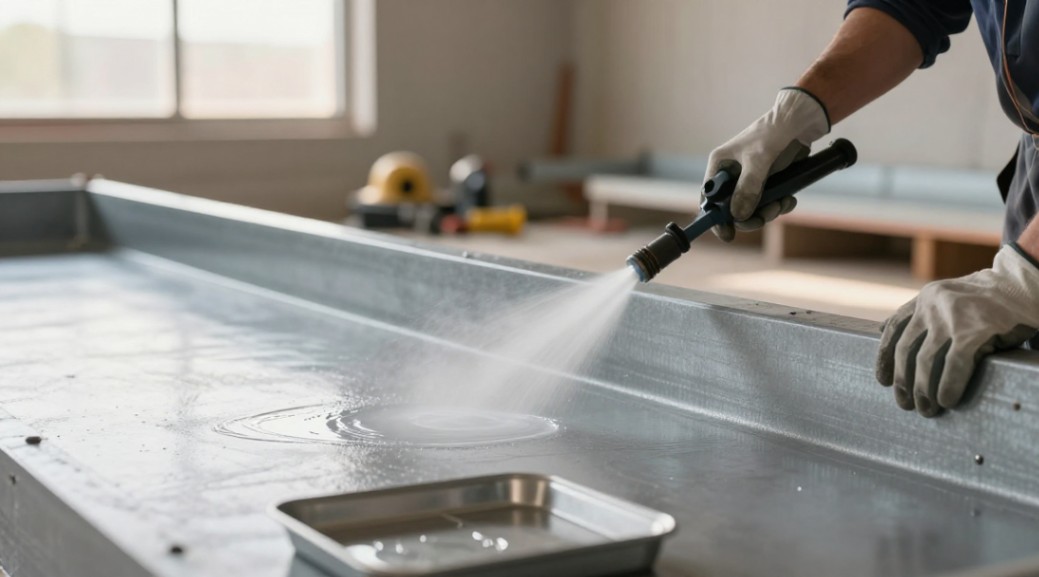
Application is critical. The golden rule: apply a thin, even coat. Never flood the form. Use a low-pressure sprayer, roller, or brush. For complex architectural forms, a sprayer provides the best coverage. Apply it to clean, dry formwork. With some plant-based formulas, a second ultra-light “mist” coat can enhance performance. Always follow the manufacturer’s data sheet.
7. Is it compatible with all formwork materials?
Yes, but you must verify. High-quality eco-friendly concrete form separators are engineered for compatibility with steel, aluminum, fiberglass, and plastic forms. They are also excellent on wood, as they don’t over-penetrate and cause warping. Always test a small area first if you’re using a specialty formwork material.
8. Can using these products help with LEED certification?
Absolutely. Using a low-VOC, bio-based product directly contributes to points in several LEED v4.1 credit categories: Materials and Resources (MR), Indoor Environmental Quality (EQ), and potentially Innovation. It’s a straightforward way to demonstrate your project’s commitment to sustainability from the ground up.
9. How do I store and handle these products?
Treat them with the same respect as any technical construction chemical. Store containers in a cool, dry place away from direct sunlight. Keep them sealed when not in use to prevent contamination. While they are non-hazardous, they can still be slippery-clean up spills immediately. Their longer shelf life is a bonus.
10. What’s the future of sustainable concrete technology?
We’re moving towards a closed-loop system. The next wave isn’t just about being less harmful. It’s about products that are carbon-neutral or derived from waste streams. Think algae-based polymers or other circular economy feedstocks. The performance bar will only get higher, making the old chemical ways obsolete.

The Bottom Line
Choosing the right eco-friendly concrete form separator is one of the most impactful decisions you’ll make for an architectural concrete finish. It’s a decision that affects aesthetics, budget, schedule, and environmental responsibility. The data is clear. The performance is proven. The mistake is sticking with outdated methods. Your next step? Consult the technical data sheets from reputable manufacturers. Specify performance requirements, not just brand names. Demand formulations that protect both your finish and the jobsite. The difference will be visible in the concrete.
We are the global leader in lightweight concrete and advanced engineered foam solutions. Known globally for its commitment to research, innovation, and applied expertise, we have been providing engineered foam solutions since the early 2012’s.
We can supply high-quality concrete admixture and foam concrete related products all over the world.
The company has a professional technical department and quality supervision department, a well-equipped laboratory, and equipped with advanced testing equipment and after-sales customer service center.
If you are interested, please feel free and contact us.