Professional solutions on concrete addtives, Concrete Foaming Agent, Superplasticizer, CLC Blocks Additives, and foaming machine

7 Niche Applications of Concrete Admixtures You Didn’t Know Existed
1. Introduction
Just 24 hours ago, researchers at ETH Zurich unveiled a new self-healing concrete formulation that uses enzyme-based admixtures to seal microcracks autonomously—potentially extending infrastructure lifespans by decades. This innovation underscores how far concrete admixtures have evolved beyond basic workability tweaks.
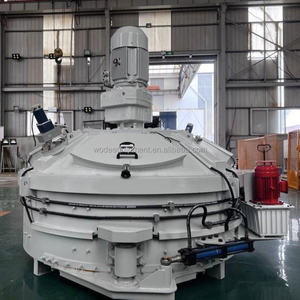
While most people associate admixtures with routine concrete pours, the reality is far more fascinating. In niche fields—from marine engineering to sustainable architecture—specialized concrete chemicals are enabling feats once deemed impossible. Let’s explore seven surprising real-world applications where the right admixture makes all the difference.
2. Underwater Tunnel Construction with Anti-Washout Admixtures
Building tunnels beneath rivers or oceans demands concrete that won’t disintegrate upon contact with water. Here, anti-washout admixtures—often formulated with viscosity-modifying agents and superplasticizers—are critical.
These concrete additives prevent cement particles from leaching out during placement, ensuring structural integrity even in turbulent conditions. Superplasticizer in concrete maintains flowability without excess water, while air entraining admixture introduces microscopic bubbles that improve cohesion and reduce segregation.
- Water reducing admixtures keep the mix dense yet pumpable
- Air entraining concrete resists pressure-induced cracking
- Integral waterproofer provides long-term moisture resistance
3. 3D-Printed Concrete Structures Using Tailored Plasticizers
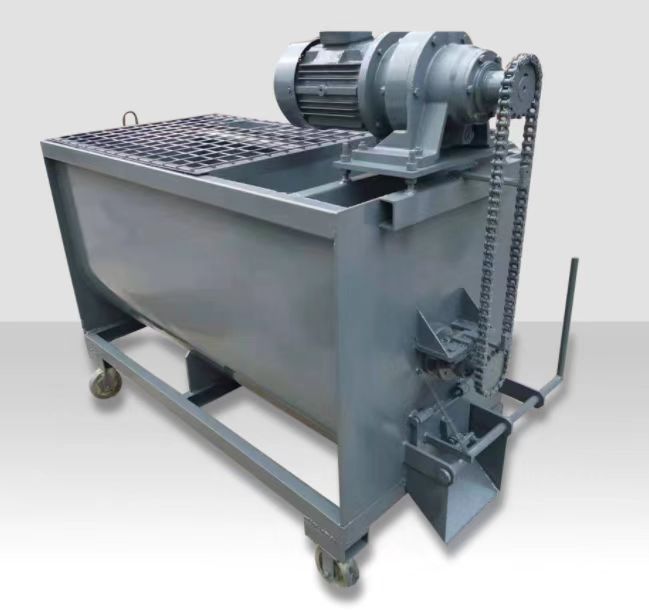
Additive manufacturing in construction relies on precise rheology control. Standard mixes would slump; instead, engineers use custom plasticizer for concrete formulations—often polycarboxylate ether (PCE)-based superplasticizers—that offer rapid stiffening after extrusion.
The best admixture for concrete in 3D printing balances extrudability and buildability. A concrete retarder delays initial set just enough to allow layer stacking, while a surface retarder concrete ensures clean interlayer bonding. Fiber reinforcement—like polypropylene fibres for concrete—adds tensile strength without clogging nozzles.
4. Foam Concrete with Protein-Based Foaming Agents
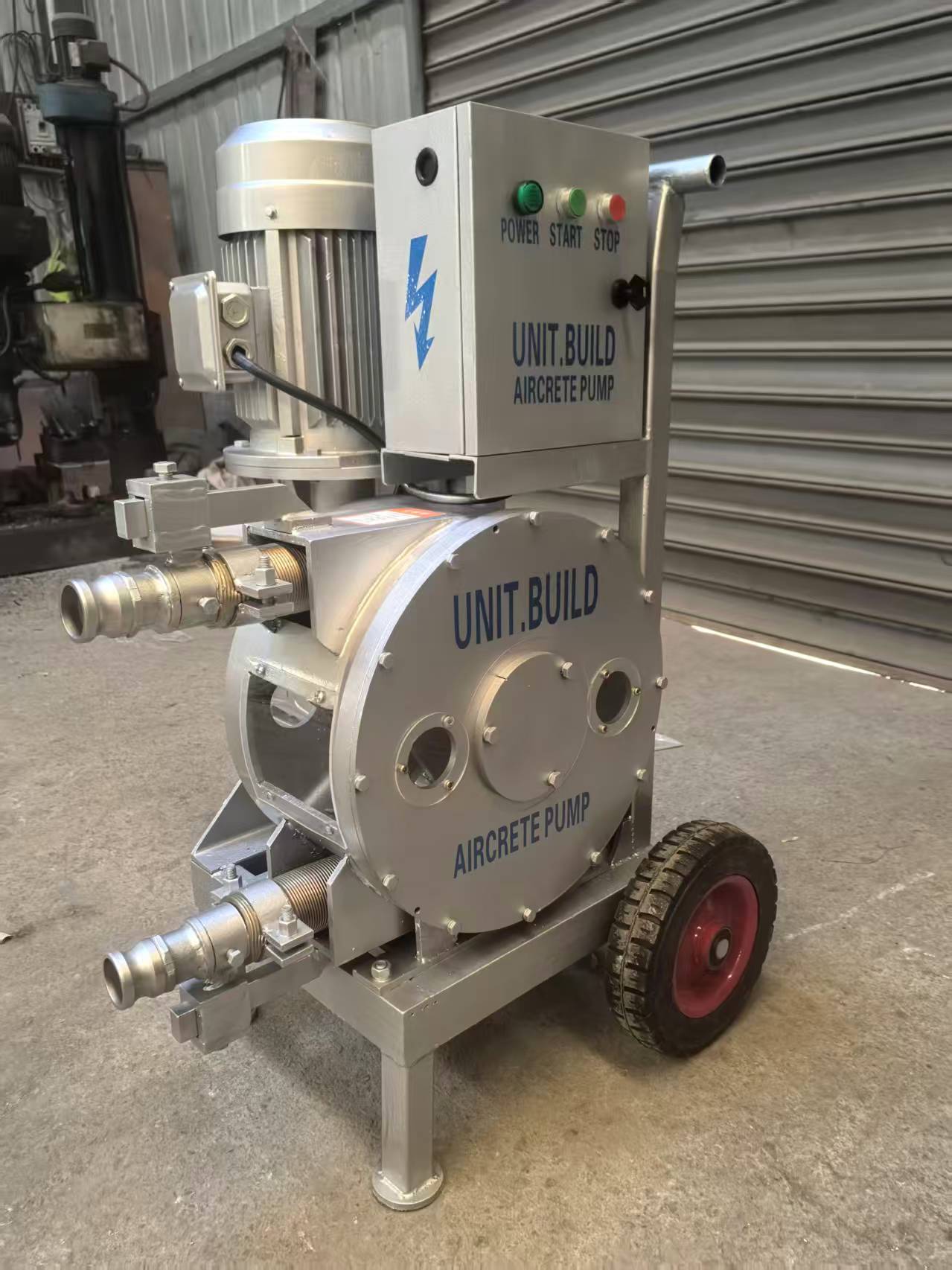
Lightweight cellular concrete is gaining traction in green building. The secret? High-performance foaming agent used in foam concrete, especially protein-based variants that create stable, uniform air cells.
When combined with a concrete water reducer, these mixes achieve densities as low as 300 kg/m³ while maintaining compressive strength. CLC foaming agent price has dropped recently, making aircrete foaming agent solutions more accessible for affordable housing projects.
- Coconut fiber reinforced concrete adds natural toughness
- Synthetic foaming agent for concrete offers consistency in mass production
- Foam agent for lightweight concrete reduces thermal conductivity
5. High-Speed Infrastructure Repair with Fast Curing Additives
Roads and bridges can’t stay closed for weeks. Enter accelerating admixtures for concrete that slash curing time without compromising durability. Concrete accelerator curing time can be reduced by up to 70% using calcium nitrate–based formulas.
For emergency repairs, contractors often blend a concrete accelerator with steel fibers for concrete to create steel fiber reinforced concrete that gains load-bearing strength in under 4 hours. Chryso admixture and similar fast curing concrete additives are now standard in DOT rapid-response kits.
6. Architectural White Concrete with Enhanced Flow
Designers love white concrete for countertops, facades, and art installations—but achieving smooth, blemish-free surfaces requires more than just white Portland cement. Superplasticizer admixture (especially PCE types) ensures high flow without bleeding, critical for intricate molds.
White cement price may be higher, but pairing it with a quality concrete superplasticizer additive minimizes voids and enhances surface finish. For waterproofing, a crystalline waterproofing admixture integrates seamlessly without discoloring the pristine white hue.
7. Sustainable Siding with Fiber-Reinforced Cement Panels
Modern concrete siding—like Hardie or CertainTeed products—uses advanced fiberfor concrete mixes to mimic wood grain while resisting rot and fire. These fibercement siding panels rely on macro fibers and polypropylene fibre reinforcement to prevent cracking during thermal cycling.
Home Depot concrete siding options increasingly feature concrete additives fiber blends that improve impact resistance. For DIYers, understanding concrete siding cost versus longevity shows why fiber reinforced concrete is worth the investment—especially when paired with a cement waterproofing additive for humid climates.
8. Conclusion
From self-healing tunnels to feather-light walls and instant-cure highways, today’s concrete admixture types are quietly revolutionizing construction. Whether it’s a superplasticizer admixture enabling complex geometries or an air entraining agent protecting Arctic runways, these chemical admixture for concrete solutions prove that the future of building is being mixed in the lab—one innovative ad mixture at a time.
Our Website founded on October 17, 2012, is a high-tech enterprise committed to the research and development, production, processing, sales and technical services of ceramic relative materials such as 7. Our products includes but not limited to Boron Carbide Ceramic Products, Boron Nitride Ceramic Products, Silicon Carbide Ceramic Products, Silicon Nitride Ceramic Products, Zirconium Dioxide Ceramic Products, etc. If you are interested, please feel free to contact us.