Professional solutions on concrete addtives, Concrete Foaming Agent, Superplasticizer, CLC Blocks Additives, and foaming machine

Choose the Right Admixtures for High-Performance Concrete
1. Introduction
Just 24 hours ago, the American Concrete Institute (ACI) released updated guidelines emphasizing the critical role of chemical admixtures in achieving sustainable, durable concrete mixes—especially as infrastructure projects face tighter environmental regulations and performance demands. This shift underscores why understanding admixtures isn’t just technical—it’s essential.
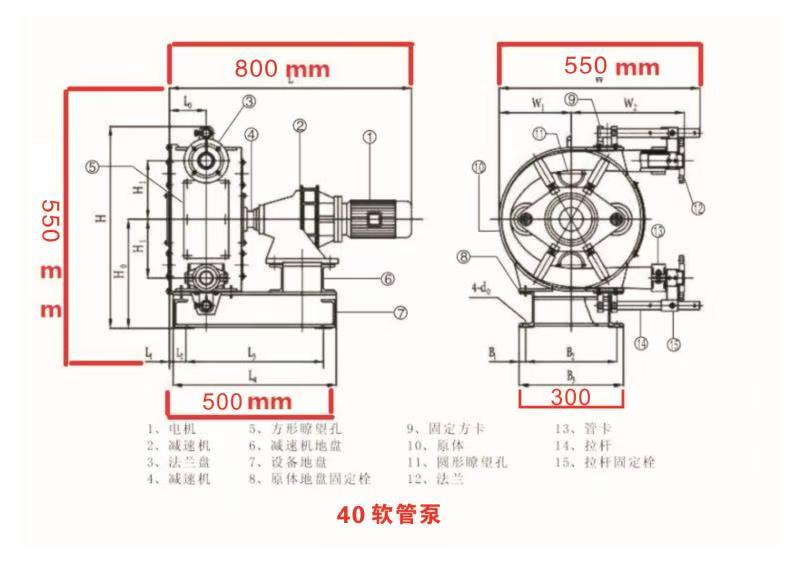
Concrete admixtures—often called ‘concrete chemicals’ or ‘ad mixtures’—are additives that modify the properties of fresh or hardened concrete. Whether you’re speeding up curing time with a concrete accelerator or boosting workability with a superplasticizer, choosing the right admixture can make or break your project.
2. Superplasticizers: The Workability Game-Changer
Superplasticizers, also known as high-range water reducers, are among the most widely used concrete additives today. They dramatically increase slump without adding extra water, which preserves strength and durability.
Two dominant types dominate the market: naphthalene-based superplasticizers and polycarboxylate ether (PCE)-based superplasticizers.
- Naphthalene sulfonate superplasticizers offer strong initial dispersion but suffer from faster slump loss and higher dosage requirements.
- Polycarboxylate superplasticizers (PCE) provide superior slump retention, lower dosage rates, and better compatibility with modern cements—making them the go-to for high-performance and self-consolidating concrete.
For contractors seeking the best superplasticizer for concrete, PCE-based options like those from Chryso admixture lines lead in efficiency and sustainability. They’re especially effective as a concrete water reducer in low-water-cement-ratio mixes.
3. Air Entraining Admixtures: Freeze-Thaw Defense
Air entraining concrete contains microscopic air bubbles created by air entraining admixtures (or air entraining agents). These bubbles act as pressure relief valves during freeze-thaw cycles, preventing cracking and spalling.
Commonly used in cold climates, air entraining cement improves durability without significantly reducing compressive strength. However, overuse can weaken the mix—precision matters.
Key applications include pavements, bridge decks, and exterior slabs where exposure to moisture and temperature swings is inevitable.
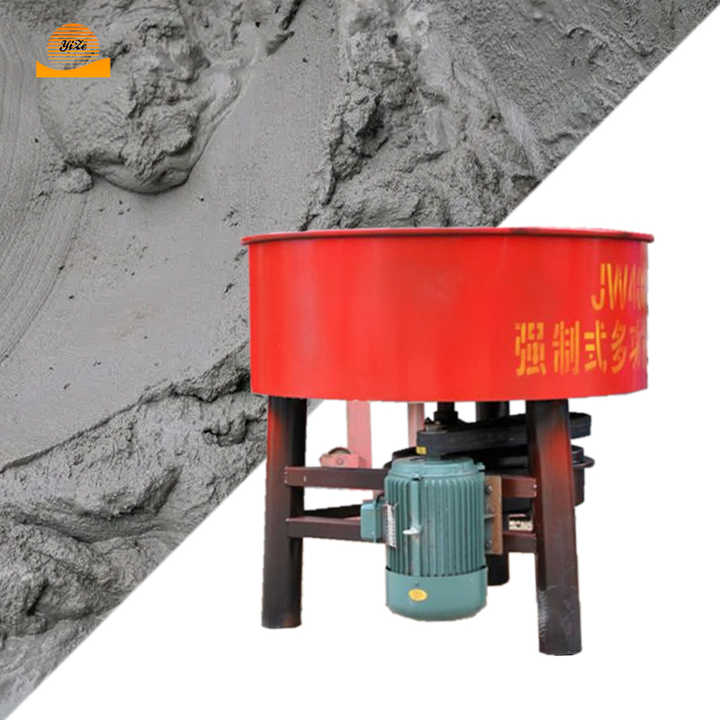
4. Waterproofing Admixtures: Beyond Surface Coatings
When leaks threaten basements or water tanks, integral waterproofers step in. Unlike topical sealers, waterproofing admixtures like crystalline waterproofing admixture react chemically within the concrete matrix to block capillary pores.
Options include cement waterproofing additives and concrete waterproof admix formulations that offer long-term protection without maintenance.
Crystalline systems are particularly effective—they self-seal micro-cracks over time, making them ideal for below-grade structures. Brands often market these as ‘admixture waterproofing’ solutions for residential and commercial builds.
5. Setting Time Modifiers: Accelerators vs. Retarders
Concrete accelerator curing time can be slashed by up to 50% using accelerating admixtures for concrete—critical in cold weather or fast-track projects. Calcium chloride is common but corrosive; non-chloride alternatives are preferred for reinforced concrete.
On the flip side, concrete retarder admixtures delay setting, useful in hot weather or for complex pours. Surface retarder concrete products even allow decorative stamping by keeping the surface workable longer.
Choosing between an admixture retarder and accelerator depends on ambient conditions, logistics, and finish requirements.
6. Fiber Reinforcement: Strength Meets Crack Control
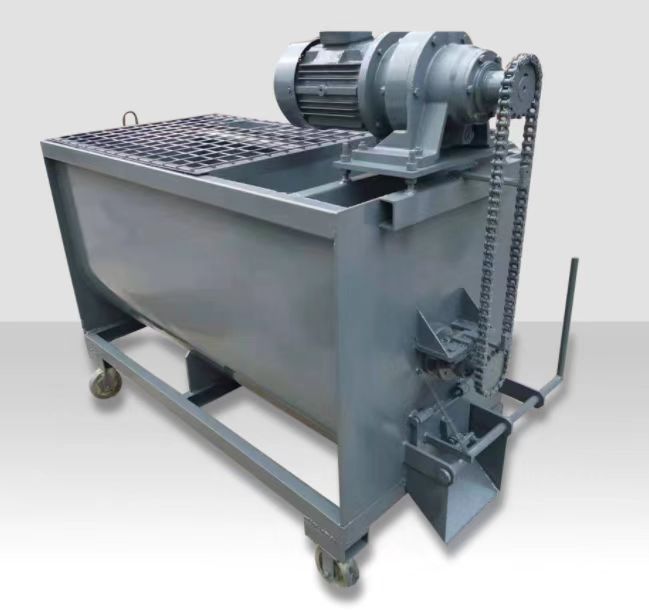
Fibers for concrete—like polypropylene fibres for concrete, steel fibers for concrete, or even coconut fiber reinforced concrete—enhance toughness, reduce plastic shrinkage cracks, and improve impact resistance.
Macro fibers (e.g., steel or synthetic) boost structural performance, while microfibers (like pp fiber concrete) control early-age cracking. Fiber reinforced concrete is now standard in industrial floors, shotcrete, and even modern concrete siding.
Homeowners exploring concrete siding options—such as Hardie concrete siding or CertainTeed concrete siding—often benefit from fiberfor concrete mixes that mimic wood grain while offering fire and pest resistance.
7. Specialty Additives: Foaming Agents & Color Systems
Foaming agents for foam concrete enable lightweight cellular concrete (CLC) production. Protein-based and synthetic foaming agents create stable air voids, reducing density while maintaining insulation properties. CLC foaming agent price varies, but performance hinges on foam stability and bubble uniformity.
For aesthetics, colored concrete relies on pigments and release agents. Stamped concrete colors—from charcoal to terra cotta—are paired with concrete release agents (powder or spray) to prevent sticking and add accent hues. Water-based release agents are gaining popularity for eco-friendliness.
8. Choosing the Best Admixture for Concrete
There’s no universal ‘best admixture for concrete.’ The right choice depends on:
- Environmental exposure (freeze-thaw? moisture?)
- Structural demands (high strength? crack resistance?)
- Aesthetic goals (color? texture?)
- Construction timeline (fast curing concrete additives needed?)
Always consult technical data sheets and consider compatibility with your cement type, aggregates, and other concrete additives.
9. Conclusion
From superplasticizer admixture innovations to advanced waterproofing admixture for concrete and fiber reinforcement systems, modern admixtures empower builders to engineer smarter, longer-lasting structures. Understanding admixture types—and their real-world trade-offs—is key to unlocking concrete’s full potential.
Our Website founded on October 17, 2012, is a high-tech enterprise committed to the research and development, production, processing, sales and technical services of ceramic relative materials such as Choose. Our products includes but not limited to Boron Carbide Ceramic Products, Boron Nitride Ceramic Products, Silicon Carbide Ceramic Products, Silicon Nitride Ceramic Products, Zirconium Dioxide Ceramic Products, etc. If you are interested, please feel free to contact us.