Professional solutions on concrete addtives, Concrete Foaming Agent, Superplasticizer, CLC Blocks Additives, and foaming machine

How Do You Choose the Right Admixtures for Your Concrete Project?
1. Introduction
Just 36 hours ago, a major construction firm in Texas halted work on a high-rise after their freshly poured concrete cracked within hours—turns out, they’d skipped using any concrete admixture despite sweltering 105°F heat. Moral of the story? Ignoring admixtures is like baking a cake without eggs: technically possible, but why would you?
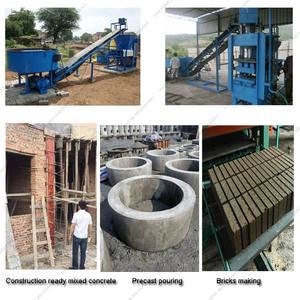
Admixtures aren’t optional extras—they’re essential concrete chemicals that fine-tune performance, durability, and workability. Whether you’re pouring a backyard patio or reinforcing a bridge, knowing which admixture to use (and when) can save time, money, and your sanity. Let’s crack this concrete code together.
2. Know Your Admixture Types
First things first: not all ad mixtures are created equal. The ASTM classifies them into chemical and mineral categories, but for practical purposes, think of them as your concrete’s personal trainers—each one targets a specific goal.
- Water reducing admixtures (like superplasticizer) boost flow without adding water.
- Concrete accelerator speeds up curing—perfect for winter pours.
- Concrete retarder delays setting, ideal for hot weather or complex pours.
- Air entraining admixture introduces tiny air bubbles to fight freeze-thaw damage.
- Integral waterproofer or crystalline waterproofing admixture keeps moisture out for basements or tanks.
- Fiber reinforcement (polypropylene, steel, or even coconut fiber!) adds tensile strength and reduces cracking.
3. Superplasticizers: The MVP of Concrete Additives
If concrete had a superhero, it’d be superplasticizer. Also called high-range water reducers or polycarboxylate ether (PCE)-based admixtures, these bad boys let you slash water content by up to 40% while keeping your mix silky smooth. That means stronger, denser, and more durable concrete—without extra cement.
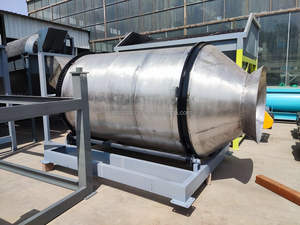
When shopping for the best superplasticizer for concrete, look for PCE-based formulas over older naphthalene or melamine types—they’re more efficient, eco-friendlier, and compatible with modern cements. Brands like Chryso offer reliable superplasticizer admixture options, but always check compatibility with your cement batch.
Pro tip: Never eyeball the dose. Too much superplasticizer in concrete can cause segregation or excessive bleeding. Follow manufacturer guidelines to the milliliter!
4. Waterproofing Without the Headache
Leaky basement? Blame poor waterproofing—not the rain. A concrete waterproofing additive like an integral waterproofer or crystalline admixture reacts with moisture to form insoluble crystals inside the pores, blocking water permanently from within.
Skip surface sealers if you want long-term protection. Instead, opt for a waterproof admix mixed directly into your pour. Cement waterproofing additive works great for foundations, while waterproofing admixture for concrete is ideal for water tanks or tunnels. Bonus: many also act as mild water reducers!
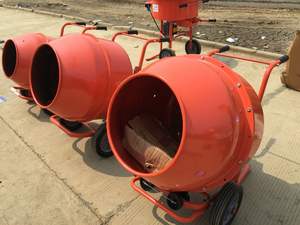
5. Timing Is Everything: Accelerators vs. Retarders
Concrete accelerator curing time can drop from 28 days to just 7 in cold conditions—but overuse leads to brittle concrete. Use accelerating admixtures for concrete only when temps dip below 50°F or when you need fast turnaround (like patching a driveway).
On the flip side, a concrete retarder admixture buys you precious hours in summer heat or during large pours. Surface retarder concrete is even used decoratively to expose aggregate. Just remember: admixture retarder ≠ procrastination aid. Use it wisely.
6. Reinforce Like a Pro: Fibers Are Not Just for Salad
Forget rebar-only solutions. Fiber reinforced concrete—whether with polypropylene fibres for concrete, steel fibers for concrete, or macro fibers—reduces plastic shrinkage cracks and boosts impact resistance. Modern homes even use concrete fiber siding (like Hardie or CertainTeed brands) that mimics wood grain without the rot.
For DIYers: pp fiber concrete is affordable and easy to mix. For industrial jobs, consider carbon fiber reinforcement in concrete or steel fiber reinforced concrete. And yes, coconut fiber concrete is a real (and sustainable!) thing—though still niche.
7. Avoid These Common Mistakes
Even seasoned pros mess up. Here’s how not to:
- Don’t mix incompatible admixtures (e.g., some superplasticizers clash with certain air entraining agents).
- Never assume ‘more is better’—overdosing causes flash set, bleeding, or weak spots.
- Skip homemade foaming agent for concrete unless you’re experimenting; commercial CLC foaming agents give consistent aircrete results.
- Always test colored concrete batches first—stamped concrete colors vary wildly with release agents and curing conditions.
8. Conclusion
Choosing the right admixture used in concrete isn’t rocket science—it’s concrete science. Match your admixture types to your environment, timeline, and structural needs. Whether you need a concrete water reducer, an air entraining concrete solution, or fast curing concrete additives, there’s a formula for that. So next time you mix, don’t just throw in cement and hope. Arm your pour with the right concrete additives—and build something that lasts.
Our Website founded on October 17, 2012, is a high-tech enterprise committed to the research and development, production, processing, sales and technical services of ceramic relative materials such as How. Our products includes but not limited to Boron Carbide Ceramic Products, Boron Nitride Ceramic Products, Silicon Carbide Ceramic Products, Silicon Nitride Ceramic Products, Zirconium Dioxide Ceramic Products, etc. If you are interested, please feel free to contact us.