Professional solutions on concrete addtives, Concrete Foaming Agent, Superplasticizer, CLC Blocks Additives, and foaming machine

7 Niche Applications of Concrete Admixtures You Didn’t Know Existed
1. Introduction
Just 24 hours ago, engineers in Singapore announced the completion of a record-breaking undersea tunnel using a custom blend of self-consolidating concrete enhanced with next-gen polycarboxylate ether (PCE) superplasticizers and crystalline waterproofing admixtures. This breakthrough underscores how modern construction relies not just on cement and aggregate—but on precisely engineered concrete chemicals to tackle extreme environments. Today, we’re diving into seven niche, real-world applications where admixtures aren’t just helpful—they’re essential.
2. Underwater Concrete for Marine Infrastructure
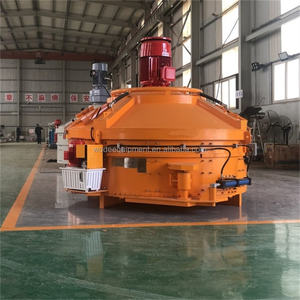
Pouring concrete underwater sounds impossible—yet it’s routine in bridge pilings, offshore platforms, and submerged tunnels. The secret? Anti-washout admixtures combined with high-range water reducers like PCE-based superplasticizers. These concrete water reducers drastically cut mixing water while maintaining flow, preventing segregation when concrete hits seawater. Air entraining admixtures are also added to improve freeze-thaw resistance in colder marine climates. Without these specialized admixture types, underwater pours would crumble before setting.
3. Coconut Fiber-Reinforced Eco-Concrete
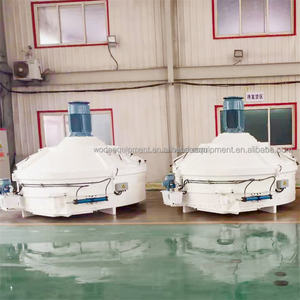
Sustainability meets innovation in rural construction projects across Southeast Asia, where coconut fiber reinforced concrete is gaining traction. By blending natural coconut fibers with a polypropylene fibre matrix and a mild concrete retarder, builders create low-carbon, crack-resistant panels for housing. Though not as strong as steel fiber reinforced concrete, this composite uses waste agricultural material and reduces reliance on synthetic reinforcement. A compatible plasticizer for concrete ensures workability despite the fibrous mix.
4. Crystalline Waterproofing in High-Rise Basements
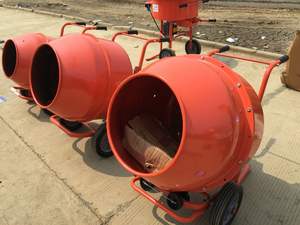
Leaky basements plague urban skyscrapers—but crystalline waterproofing admixture offers a permanent fix. Unlike surface-applied membranes, this integral waterproofer reacts with moisture and unhydrated cement particles to grow insoluble crystals that block capillaries from within. Paired with a cement waterproofing additive, it creates truly waterproof concrete that self-seals micro-cracks over time. Major developers now specify this admixture waterproofing system in luxury residential towers from Dubai to Toronto.
5. Fast-Curing Concrete for Emergency Repairs
When highways crack or airport runways fail, downtime costs millions. That’s where fast curing concrete additives shine. Accelerating admixtures for concrete—often based on calcium nitrate or triethanolamine—slash curing time by up to 70%. Combined with a superplasticizer admixture to offset reduced workability, crews can pour, finish, and reopen roads in under four hours. These concrete accelerator curing time solutions are critical for military, disaster response, and infrastructure maintenance teams.
6. Foam Concrete with Protein-Based Foaming Agents
Lightweight, insulating, and fire-resistant—foam concrete is ideal for roof decks and partition walls. But its success hinges on the foaming agent used in foam concrete. Protein-based foaming agents (derived from animal or plant sources) produce stable, uniform bubbles that yield cellular concrete with densities as low as 300 kg/m³. Synthetic alternatives exist, but protein-based versions offer superior bubble resilience during pumping. CLC foaming agent price varies, but performance justifies cost in green building projects.
7. White Cement Architectural Finishes with Color-Stable Admixtures
Modern concrete siding and white concrete countertops demand both aesthetics and durability. White Portland cement provides the base, but without compatible concrete additives, pigments fade and surfaces stain. Specialized water-based release agents prevent color transfer during stamping, while UV-stable tinted concrete powders lock in hues like charcoal, terra cotta, or soft gray. For stamped concrete colors to last, form release oil must be non-reactive—ensuring the final look matches the designer’s vision.
8. Conclusion
From ocean floors to rooftop gardens, admixtures are the unsung heroes of advanced concrete technology. Whether you’re selecting the best admixture for concrete in a seismic zone or experimenting with coconut fibre concrete for sustainable homes, understanding admixture types—from super plasticizers to air entraining agents—is key. As materials science evolves, expect even smarter concrete chemicals to enable bolder, greener, and more resilient structures worldwide.
Our Website founded on October 17, 2012, is a high-tech enterprise committed to the research and development, production, processing, sales and technical services of ceramic relative materials such as 7. Our products includes but not limited to Boron Carbide Ceramic Products, Boron Nitride Ceramic Products, Silicon Carbide Ceramic Products, Silicon Nitride Ceramic Products, Zirconium Dioxide Ceramic Products, etc. If you are interested, please feel free to contact us.