Professional solutions on concrete addtives, Concrete Foaming Agent, Superplasticizer, CLC Blocks Additives, and foaming machine

What Are Admixtures and Why Are They Essential in Modern Concrete Construction?
1. Introduction
In the past 48 hours, global construction leaders at the World Concrete Summit highlighted a surge in demand for high-performance concrete admixtures—especially eco-friendly superplasticizers and crystalline waterproofing systems—as builders race to meet stricter sustainability standards and climate-resilient infrastructure goals. This spotlight underscores just how vital admixtures have become in modern concrete technology.
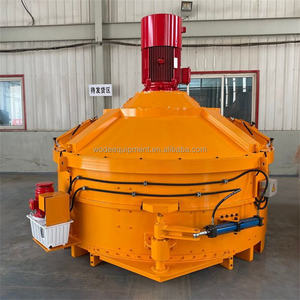
If you’ve ever wondered how skyscrapers rise faster, sidewalks resist freeze-thaw damage, or driveways stay crack-free for decades, the answer often lies in something invisible: admixtures. These specially engineered additives are mixed into concrete to modify its properties during mixing, placing, or curing. Far from being optional extras, admixtures are now essential tools that shape everything from strength and setting time to aesthetics and longevity.
2. What Are Admixtures?
Admixtures—sometimes spelled ‘ad mixtures’—are materials added to concrete, mortar, or grout before or during mixing to enhance specific characteristics. They can be chemical or mineral-based and are used in small quantities (typically less than 5% by weight of cement) to achieve targeted results without compromising structural integrity.
The term ‘concrete admixture’ broadly covers everything from water reducers to fibers, accelerators to colorants. Whether you’re pouring a backyard patio or constructing a bridge, there’s likely an admixture designed to optimize your mix.
3. Common Types of Concrete Admixtures
Understanding admixture types helps contractors and DIYers choose the best admixture for concrete. Here’s a breakdown of the most widely used categories:
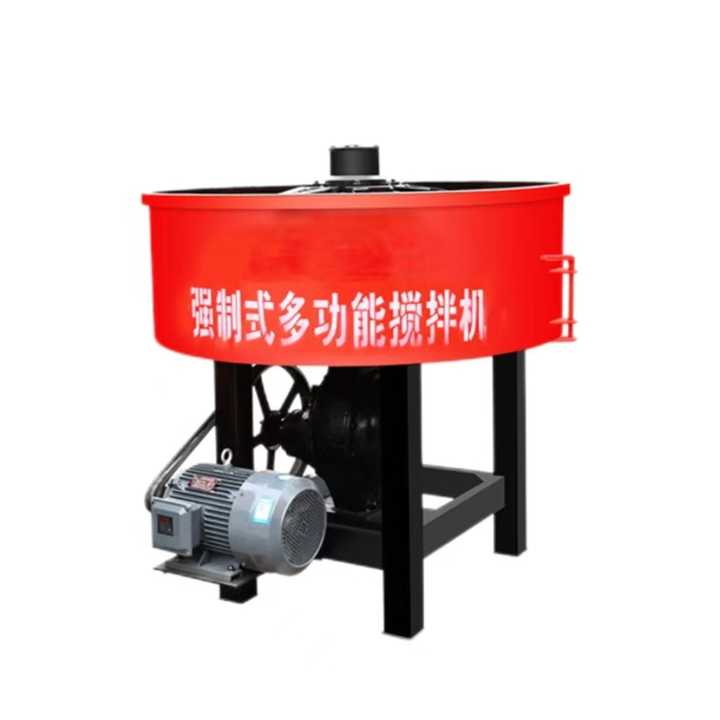
- Water reducing admixtures (also called concrete water reducers or plasticizers) decrease the water content needed for a given slump, boosting strength and durability. Superplasticizers—like polycarboxylate ether (PCE) or naphthalene-based types—are high-range versions that dramatically increase flow without adding water.
- Concrete accelerator and accelerating admixtures for concrete shorten setting time and boost early strength—ideal for cold-weather pours or fast-track projects where concrete accelerator curing time matters.
- Concrete retarder and admixture retarder options delay hardening, useful in hot climates or for complex placements where extended workability is needed. Surface retarder concrete is a specialized variant used in exposed-aggregate finishes.
- Air entraining admixture introduces microscopic air bubbles into the mix, improving resistance to freeze-thaw cycles. This ‘air entraining’ process uses an air entraining agent to create stable voids, making air entraining concrete far more durable in harsh conditions.
- Waterproofing admixture solutions—including integral waterproofer, cement waterproofing additive, and crystalline waterproofing admixture—block moisture penetration from within. Products like concrete waterproof admix or admixture waterproofing are critical for basements, tunnels, and water tanks.
- Mineral admixtures such as fly ash, slag, or silica fume enhance long-term strength and reduce permeability while lowering the carbon footprint of cement.
4. Superplasticizers: The Game-Changer in Concrete Flow
Among all concrete chemicals, superplasticizers stand out for their transformative impact. A superplasticizer in concrete can reduce water content by up to 40% while maintaining excellent workability—making it possible to pump ultra-high-strength mixes through narrow rebar cages.
Modern superplasticizer admixtures are often based on polycarboxylate ether (PCE), offering superior slump retention compared to older melamine or naphthalene sulfonate types. Brands like Chryso admixture lead the market with tailored formulations for everything from self-consolidating concrete to precast elements.
When choosing the best superplasticizer for concrete, consider factors like compatibility with your cement, required setting window, and environmental conditions. PCE-based superplasticizers are generally preferred for their efficiency and low dosage requirements.
5. Fiber Reinforcement and Specialty Additives
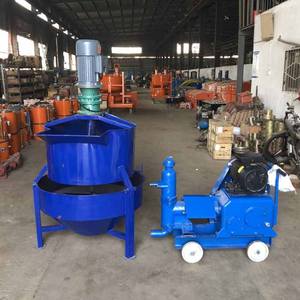
Beyond traditional chemical admixtures, fibers are increasingly used as concrete additives fiber to control cracking and improve toughness. Options include polypropylene fibres for concrete (microfibers that prevent plastic shrinkage cracks) and steel fibers for concrete (macro fibers that add post-crack load-bearing capacity).
Fiber reinforced concrete is now standard in industrial floors, shotcrete, and seismic-resistant structures. Innovations like carbon fiber reinforced concrete and even coconut fiber reinforced concrete offer sustainable alternatives with unique performance profiles.
For residential use, products like Hardie concrete siding or CertainTeed concrete siding leverage fiber cement technology—combining cellulose or synthetic fibers with cement to create durable, wood-look cladding. Concrete siding cost varies, but modern concrete fiber siding offers excellent value due to its longevity and low maintenance.
6. Other Functional Admixtures
Colored concrete relies on tinted concrete powders or stains to achieve hues from charcoal stamped concrete to terra cotta concrete color. Release agents—like powder release agent for concrete or water-based release spray—prevent stamps from sticking during decorative pours.
Foaming agents for foam concrete (including CLC foaming agent or protein-based variants) enable lightweight cellular concrete used in insulation blocks and void filling. Meanwhile, white cement—often paired with superplasticizer for flow—is favored for countertops, tiles, and architectural finishes due to its bright, clean appearance.
7. Conclusion
From superplasticizer admixture boosting fluidity to air entraining cement enhancing freeze resistance, admixtures are the unsung heroes of modern concrete. Whether you’re selecting a concrete waterproofing additive, a concrete retarder admixture, or reinforcement fiber for concrete, understanding these tools empowers better, smarter construction. As innovation continues—driven by demands for sustainability, speed, and resilience—admixture technology will remain at the heart of concrete’s evolution.
Our Website founded on October 17, 2012, is a high-tech enterprise committed to the research and development, production, processing, sales and technical services of ceramic relative materials such as What. Our products includes but not limited to Boron Carbide Ceramic Products, Boron Nitride Ceramic Products, Silicon Carbide Ceramic Products, Silicon Nitride Ceramic Products, Zirconium Dioxide Ceramic Products, etc. If you are interested, please feel free to contact us.