Professional solutions on concrete addtives, Concrete Foaming Agent, Superplasticizer, CLC Blocks Additives, and foaming machine

7 Essential Steps to Choose and Use the Best Concrete Admixtures for Your Project
1. Introduction
Just 24 hours ago, a major construction firm in Texas reported significant delays due to premature concrete setting in high-heat conditions—a problem easily avoided with the right concrete retarder admixture. This real-world example highlights how critical it is to understand and correctly apply admixtures in today’s fast-paced building environment.
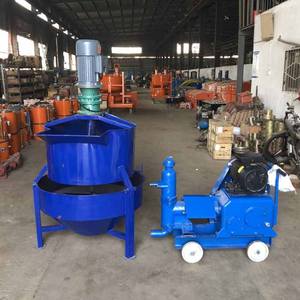
Admixtures aren’t just optional extras—they’re essential tools that enhance performance, durability, and efficiency in modern concrete work. From improving flow with superplasticizer in concrete to adding freeze-thaw resistance with air entraining admixture, the right choice can make or break your project.
2. Understand the Main Types of Concrete Admixtures
Before buying any product, know what you’re working with. Admixture types fall into two broad categories: chemical and mineral admixtures.
- Chemical admixtures include superplasticizers, accelerators, retarders, air-entraining agents, and waterproofing additives.
- Mineral admixtures like fly ash or silica fume improve long-term strength and reduce permeability.
Common examples you’ll encounter: concrete accelerator for faster curing, concrete retarder to delay setting in hot weather, and integral waterproofer for basements or wet areas.
3. Match the Admixture to Your Project Needs
Ask yourself: What’s the biggest challenge? Is it workability, setting time, water resistance, or cracking?
For high-strength, low-water mixes, use a superplasticizer admixture like polycarboxylate ether (PCE)—the best superplasticizer for concrete today. It acts as a high-range water reducer without compromising strength.
If you’re pouring in winter, choose accelerating admixtures for concrete to shorten curing time. For summer pours, a concrete retarder admixture keeps the mix workable longer.
Need waterproofing? Look for crystalline waterproofing admixture or cement waterproofing additive that reacts internally to block moisture pathways.
4. Select the Right Superplasticizer or Plasticizer
Not all plasticizers are equal. Super plasticizers (also called high-range water reducers) offer far greater water reduction than standard plasticizer for concrete.
Polycarboxylate-based superplasticizers are preferred for their efficiency, compatibility, and minimal slump loss. Avoid outdated naphthalene or melamine sulfonate types unless cost is the only factor.
Always check dosage instructions—overuse can cause segregation or excessive bleeding. A typical dose is 0.5% to 2% by weight of cement.
5. Don’t Forget Air Entraining and Fiber Reinforcement
In cold climates, air entraining concrete is non-negotiable. An air entraining agent creates microscopic bubbles that absorb freeze-thaw stress, preventing surface scaling.
For crack control, add fibers. Options include polypropylene fibres for concrete (microfibers) or steel fibers for concrete (macro fibers). Fiber reinforced concrete improves toughness and reduces plastic shrinkage cracks.
Note: Fibers don’t replace rebar but complement it. Use fiberfor concrete mix in slabs, driveways, or shotcrete applications.
6. Handle Waterproofing and Specialty Additives Correctly
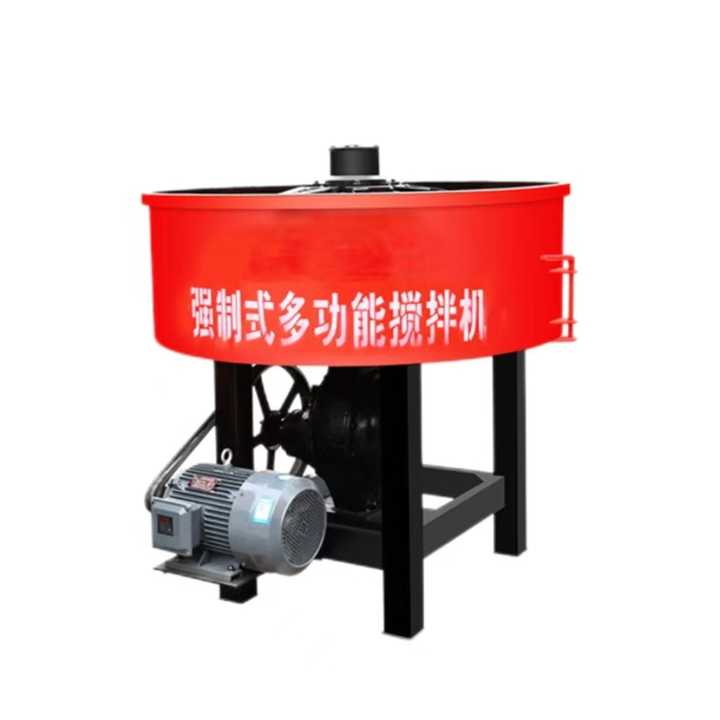
Waterproof admix like concrete waterproofing additive works best when mixed thoroughly into the batch—not applied as a surface coating. Crystalline types even self-seal small cracks over time.
Avoid confusing surface sealers with true admixture waterproofing. True waterproofing admixture integrates into the matrix during mixing.
Also consider foaming agents if making lightweight cellular concrete—protein-based or synthetic foaming agent for foam concrete creates stable air voids for insulation or CLC blocks.
7. Test, Mix, and Monitor
Never skip a trial batch. Mix a small sample with your chosen admixture chemical to check workability, setting time, and finishability.
Use consistent water-cement ratios. Even the best admixture for concrete fails if water content varies wildly.
Store admixtures properly—many degrade in extreme heat or cold. And always follow manufacturer guidelines for compatibility, especially when combining multiple concrete additives like a superplasticizer with an accelerator.
Conclusion
Choosing and using the right admixture used in concrete doesn’t require guesswork. By understanding admixture types, matching them to your environmental and structural needs, and testing before full-scale use, you’ll avoid costly mistakes and boost performance. Whether you’re using Chryso admixture, a DIY mix, or products from Home Depot, these seven steps ensure smarter, stronger, and more durable concrete every time.
Our Website founded on October 17, 2012, is a high-tech enterprise committed to the research and development, production, processing, sales and technical services of ceramic relative materials such as 7. Our products includes but not limited to Boron Carbide Ceramic Products, Boron Nitride Ceramic Products, Silicon Carbide Ceramic Products, Silicon Nitride Ceramic Products, Zirconium Dioxide Ceramic Products, etc. If you are interested, please feel free to contact us.