Professional solutions on concrete addtives, Concrete Foaming Agent, Superplasticizer, CLC Blocks Additives, and foaming machine

How Do You Choose the Right Admixtures for Your Concrete Project?
1. Introduction
Just 24 hours ago, a viral TikTok video showed a homeowner pouring concrete for a backyard patio—only to watch it crack like a potato chip in the sun. Why? They skipped admixtures entirely. Big oops. Whether you’re building a driveway, a decorative stamped patio, or even experimenting with foam concrete, understanding admixtures isn’t optional—it’s essential.
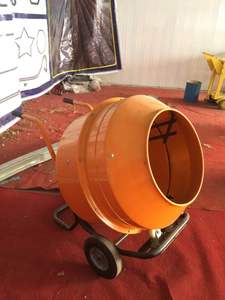
Concrete might seem like just cement, sand, and water, but modern mixes are more like gourmet recipes. The secret sauce? Admixtures. These concrete chemicals fine-tune performance, durability, and workability. In this guide, we’ll walk you through how to pick the best admixture for concrete based on your goals—without sounding like a chemistry textbook.
2. Understand the Main Admixture Types
Before you grab that bottle labeled ‘superplasticizer’ off the shelf at Home Depot, know what you’re dealing with. Admixtures fall into two broad categories: chemical and mineral. Chemical admixtures include everything from plasticizers to accelerators, while mineral admixtures (like fly ash or silica fume) improve long-term strength and reduce permeability.
2.1. Water-Reducing Admixtures
If your mix is soupy but you don’t want to add more cement (which gets expensive fast), water reducing admixtures are your BFF. These include mid-range and high-range options—aka superplasticizers. Superplasticizer in concrete can slash water content by up to 30% while keeping the mix pourable. Look for polycarboxylate ether (PCE)-based superplasticizers—they’re the gold standard today for high-performance concrete.
- Best for: High-strength slabs, precast elements, self-consolidating concrete
- Watch out for: Overdosing! Too much superplasticizer can cause segregation or rapid slump loss.
2.2. Retarders and Accelerators
Timing is everything. A concrete retarder admixture slows hydration—perfect for hot weather or long hauls from the batch plant. On the flip side, accelerating admixtures for concrete speed things up when you need fast curing concrete additives (think winter pours or emergency repairs).
Pro tip: Don’t confuse surface retarder concrete (used for exposed aggregate finishes) with internal concrete retarder admixtures—they serve totally different purposes!
2.3. Air-Entraining Admixtures
If you live where it freezes, air entraining concrete isn’t a luxury—it’s survival. Air entraining admixtures create microscopic bubbles that give water room to expand when it freezes, preventing spalling and cracks. Look for terms like air entraining agent or air entraining cement on the label.
- Ideal for: Driveways, sidewalks, bridge decks in cold climates
- Avoid in: Interior floors or non-freeze-thaw environments—extra air reduces strength.
3. Specialized Additives for Specific Needs
3.1. Waterproofing Admixtures
Leaky basement? Say no more. Crystalline waterproofing admixture reacts with water and unhydrated cement to form insoluble crystals that block pores. Alternatively, integral waterproofer or cement waterproofing additive types provide hydrophobic barriers. For above-grade applications like concrete siding, consider a concrete waterproof admix that won’t discolor your finish.
Note: Waterproof admix ≠ surface sealers. These work from the inside out!
3.2. Fiber Reinforcement
Forget rebar for small jobs—fibers for concrete add toughness without the hassle. Polypropylene fibres for concrete prevent plastic shrinkage cracks, while steel fibers for concrete boost impact resistance. And yes, coconut fiber reinforced concrete is a real (though niche) thing—great for eco-builds!

Popular choices include fibermesh concrete (microfibers) and macro fibers for structural applications. Just remember: fiberfor concrete mix must be properly dispersed—clumping ruins everything.
3.3. Foaming Agents and Colorants
Making foam concrete? You’ll need a foaming agent used in foam concrete—protein-based or synthetic. CLC foaming agent price varies, but quality matters: bad foam = collapsed blocks.
For aesthetics, colored concrete relies on pigments and release agents. Use powder release agent for stamped concrete to prevent sticking and add subtle color accents. Pro move: Pair charcoal stamped concrete with a water-based release agent for a sleek, modern look.
4. Step-by-Step: Choosing Your Admixture
Step 1: Define your goal. Strength? Workability? Freeze resistance? Waterproofing?
Step 2: Check ambient conditions. Hot day? Add a concrete retarder. Below freezing? Go for accelerating admixtures for concrete.
Step 3: Match admixture to application. Pouring fiber reinforced concrete for a patio? Use polypropylene fibre. Building white concrete countertops? Stick with white cement and a compatible superplasticizer.
Step 4: Read the bio data sheet. Yes, it’s boring—but dosage errors cause 90% of admixture fails.
Step 5: Test small batches first. Especially with new brands like Chryso admixture or unfamiliar additives.
5. Common Pitfalls to Avoid
Mixing multiple admixtures without checking compatibility can backfire—some superplasticizers clash with certain retarders. Also, never assume ‘more is better.’ A little superplasticizer goes a long way; too much turns your mix into soup.
And please—don’t use homemade foaming agent for concrete unless you’ve tested it thoroughly. Your roof (or patio) will thank you.
6. Conclusion
Choosing the right admixture used in concrete doesn’t require a PhD—just a clear goal and a bit of know-how. Whether you’re after the perfect stamped concrete color, need fast curing concrete additives, or want to waterproof a foundation with crystalline admixture, there’s a concrete additive for that. So next time you mix, don’t wing it—admixture it!
Our Website founded on October 17, 2012, is a high-tech enterprise committed to the research and development, production, processing, sales and technical services of ceramic relative materials such as How. Our products includes but not limited to Boron Carbide Ceramic Products, Boron Nitride Ceramic Products, Silicon Carbide Ceramic Products, Silicon Nitride Ceramic Products, Zirconium Dioxide Ceramic Products, etc. If you are interested, please feel free to contact us.