Professional solutions on concrete addtives, Concrete Foaming Agent, Superplasticizer, CLC Blocks Additives, and foaming machine

Superplasticizers and Beyond: A Technical Comparison of Modern Concrete Admixtures
1. Introduction
In the past 48 hours, global construction material suppliers have reported a surge in demand for high-performance concrete admixtures, driven by infrastructure projects prioritizing sustainability and durability. Notably, manufacturers like Chryso and Sika are accelerating R&D in polycarboxylate ether (PCE)-based superplasticizers to meet tightening environmental regulations and performance benchmarks. This shift underscores the critical role of chemical admixtures in modern concrete technology.
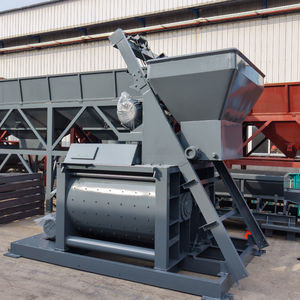
Concrete admixtures—also referred to as concrete additives or cement admixtures—are essential components that modify the properties of fresh or hardened concrete. From improving workability to enhancing long-term durability, these admixture chemicals enable engineers to tailor concrete mixes for specific structural, climatic, and aesthetic demands. Among the most transformative categories are water reducing admixtures, particularly superplasticizers, which have revolutionized high-strength and self-consolidating concrete applications.
2. Superplasticizers: Naphthalene vs. Polycarboxylate Ether
Superplasticizers, or high-range water reducers, are among the most widely used concrete admixture types. They significantly reduce water content while maintaining or improving workability—critical for achieving high-strength, low-permeability concrete.
Naphthalene-based superplasticizers (SNF), derived from naphthalene sulfonate formaldehyde condensates, have been industry staples for decades. They offer reliable slump retention and are cost-effective for standard applications. However, they exhibit moderate slump loss over time and can impart a slight yellow tint to white concrete, limiting their use in architectural finishes.
In contrast, polycarboxylate ether (PCE) superplasticizers represent the next generation of plasticizer for concrete. These molecules feature comb-like structures that provide superior steric hindrance, enabling exceptional water reduction (up to 40%) and extended workability without significant slump loss. PCE-based systems are also more environmentally friendly, with lower chloride and alkali content, making them ideal for precast, high-performance, and white concrete applications.
- Naphthalene superplasticizer: Lower initial cost, moderate water reduction (~15–25%), potential color issues
- Polycarboxylate superplasticizer: Higher efficiency, better slump retention, compatible with white cement and fiber-reinforced mixes
3. Specialized Admixture Types and Their Roles
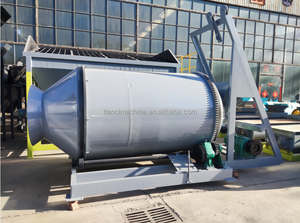
Beyond superplasticizers, numerous admixture types address specific challenges in concrete production and placement.
Concrete accelerators shorten setting time and enhance early strength—essential for cold-weather concreting or fast-track projects. Conversely, concrete retarder admixtures delay hydration, useful in hot climates or for long-haul deliveries. Surface retarder concrete products allow decorative exposed-aggregate finishes by selectively delaying surface curing.
Air entraining admixtures introduce microscopic air bubbles that improve freeze-thaw resistance. These air entraining agents are crucial in regions with harsh winters, forming stable, evenly distributed voids that prevent internal cracking during ice expansion.
For waterproofing, two dominant approaches exist: integral waterproofers and crystalline waterproofing admixtures. Integral waterproofer products repel moisture through hydrophobic mechanisms, while crystalline systems react with cementitious materials to form insoluble crystals that block capillary pores—offering permanent, self-healing protection. Both qualify as concrete waterproofing additives, but crystalline variants are gaining favor for basements and water-retaining structures.
4. Fiber Reinforcement and Emerging Trends
Fiber reinforced concrete has evolved beyond steel fibers for concrete to include polypropylene fibres for concrete, macro fibers, and even sustainable options like coconut fiber reinforced concrete. These reinforcement fibers control plastic shrinkage cracking and improve impact resistance. PP fiber concrete is especially popular in industrial slabs and shotcrete applications due to its corrosion resistance and ease of mixing.
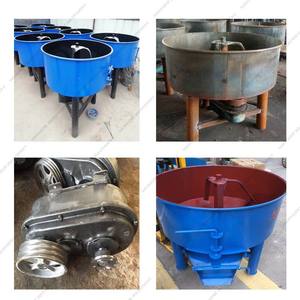
While not strictly an admixture, fiberfor concrete mix integration is often coordinated with chemical admixtures. Compatibility between superplasticizer admixture and fibers is critical—PCE systems generally disperse fibers more uniformly than SNF types, reducing balling and ensuring homogeneity.
Additionally, foaming agents for foam concrete (e.g., protein-based or synthetic CLC foaming agents) are seeing renewed interest for lightweight insulating blocks. Though distinct from traditional admixtures, these foam agents function similarly by modifying fresh concrete rheology.
5. Selecting the Best Admixture for Concrete
Choosing the right admixture used in concrete depends on multiple factors: ambient conditions, structural requirements, aesthetic goals, and sustainability targets. For high-strength, low-water-cement-ratio mixes, PCE superplasticizer is unmatched. In cost-sensitive municipal projects, naphthalene-based systems may suffice.
When waterproofing is required, crystalline waterproofing admixture offers long-term reliability over surface-applied membranes. For rapid turnaround, accelerating admixtures for concrete paired with fast curing concrete additives can cut formwork cycles by 30–50%.
It’s also vital to consider compatibility—especially when combining superplasticizer in concrete with air entraining cement or mineral admixtures like fly ash. Laboratory trial batches are recommended before full-scale use.
6. Conclusion
The landscape of concrete chemicals is rapidly advancing, with polycarboxylate ether superplasticizers leading a performance and sustainability revolution. While traditional admixtures like naphthalene-based water reducers remain relevant, modern projects increasingly demand multifunctional solutions—such as combined superplasticizer-retarder blends or self-healing waterproof admix. By understanding the nuanced differences among admixture types—from plasticizer admixture to concrete accelerator curing time effects—professionals can optimize both constructability and lifecycle performance of concrete structures.
Our Website founded on October 17, 2012, is a high-tech enterprise committed to the research and development, production, processing, sales and technical services of ceramic relative materials such as Superplasticizers. Our products includes but not limited to Boron Carbide Ceramic Products, Boron Nitride Ceramic Products, Silicon Carbide Ceramic Products, Silicon Nitride Ceramic Products, Zirconium Dioxide Ceramic Products, etc. If you are interested, please feel free to contact us.