Professional solutions on concrete addtives, Concrete Foaming Agent, Superplasticizer, CLC Blocks Additives, and foaming machine

How Polycarboxylate Superplasticizer Contributes to Cement Cost Reduction: A Case Study Approach
Key takeaways
- Polycarboxylate superplasticizer reduces water content, allowing less cement for the same strength.
- Proper mix design and quality control are essential to achieve consistent cement savings.
- Cement reductions of 5–15% are commonly reported in industry practice, leading to significant cost benefits.
Introduction: The Role of Polycarboxylate Superplasticizer in Cement Reduction
Polycarboxylate superplasticizer (PCE) is a high-performance water-reducing admixture widely used in concrete production. By lowering water content while maintaining workability, it reduces cement paste volume and directly lowers material costs. This article examines how PCE can contribute to cement cost savings in concrete mixtures, based on typical industry observations rather than a proprietary case.
Reducing the water-to-cement ratio means less cement is needed to achieve the same strength and durability. For ready-mix producers and precast manufacturers, modest reductions in cement content translate into substantial savings over large volumes. This discussion covers the mechanisms, practical implementation, and expected benefits of using PCE for cost optimization.
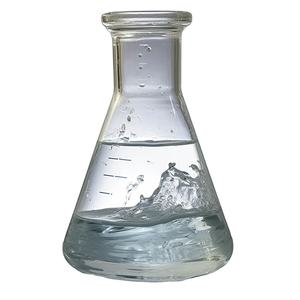
How PCE Reduces Cement Content: Mechanism and Impact
Polycarboxylate superplasticizers use steric hindrance and electrostatic repulsion to disperse cement particles more effectively than traditional naphthalene or melamine-based admixtures. This dispersion enables water reduction of 20–40% without loss of slump. With less water required, the paste volume can be reduced while keeping the same water-to-cement ratio, or the ratio can be lowered to increase strength, allowing less cement for a given strength target. Refer to polycarboxylate ether vs naphthalene superplasticizer for a detailed comparison.
In typical mix design, lowering the water-to-cement ratio by 0.05 reduces cement consumption by 10–15 kg per cubic meter. For a plant producing 100,000 m³ annually, this can save over 1,000 tons of cement per year. Actual savings depend on the specific mix, materials, and quality requirements. PCE also improves early strength, enabling further cement reduction in precast applications where earlier demolding is possible.
Practical Implementation: Mix Design Adjustments and Quality Control
To achieve cement savings with PCE, concrete producers need to adjust mix design systematically. First, define the target water-to-cement ratio based on strength and durability requirements. Then optimize the PCE dosage for the required workability at the lowest water content. Trial batches are essential to verify that the reduced cement content does not compromise fresh or hardened properties. Producers should also consider lightweight foam concrete cracking when designing mixes for specialized applications.
Quality control becomes even more critical when reducing cement. Variations in aggregate moisture, PCE dosage, or temperature can affect workability and strength. Regular testing of slump, air content, and compressive strength ensures consistency. For foamed concrete, evaluating protein-based vs synthetic foaming agent is also important for quality. Compatibility between PCE and the cement type must also be verified, as cement chemistry can affect performance. With proper implementation, cement reductions of 5–15% are commonly achievable without sacrificing quality.

Conclusion: Cost Benefits and Industry Applicability
Using polycarboxylate superplasticizer for cement reduction offers a practical way to lower material costs in concrete production. Savings come from reduced cement purchase, lower transportation and handling costs, and potentially lower CO₂ emissions due to less clinker usage. While the exact savings percentage varies by project, the approach is widely validated across the construction industry.
Producers considering this strategy should start with small-scale trials, work with admixture suppliers, and monitor long-term performance. With careful mix design and quality control, PCE can be a reliable tool for cost optimization without compromising concrete quality.
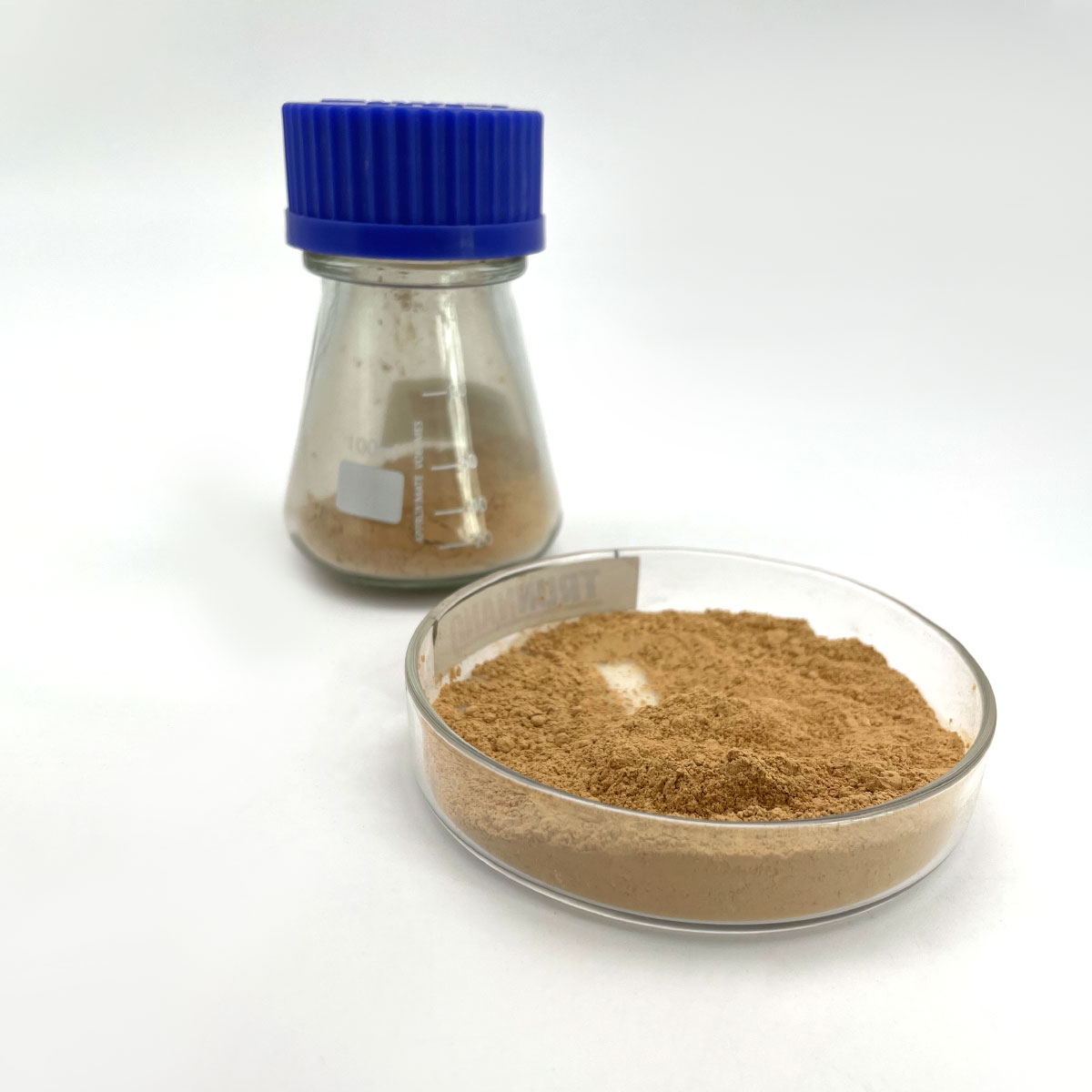
Frequently asked questions
What is a polycarboxylate superplasticizer?
It is a high-range water-reducing admixture that disperses cement particles more effectively, enabling lower water content while maintaining workability.
How does PCE save cement cost?
By reducing the water-to-cement ratio, less cement paste is needed for a given strength, cutting cement consumption and material costs.
Can any concrete mix benefit from PCE cement reduction?
Most conventional concrete mixes can be optimized, but compatibility with cement and aggregates must be tested through trial batches.
Waterreduceragent is a supplier of Concrete Admixture with over 12 years of experience in nano-building energy conservation and nanotechnology development. It accepts payment via Credit Card, T/T, West Union and Paypal. TRUNNANO will ship the goods to customers overseas through FedEx, DHL, by air, or by sea. If you are looking for lightweight concrete relative materials, please feel free to contact us and send an inquiry.