Professional solutions on concrete addtives, Concrete Foaming Agent, Superplasticizer, CLC Blocks Additives, and foaming machine

Don’t Make These 5 Costly Mistakes With Lightweight Concrete for Bridge Deck Overlays
Is Your Bridge Deck Overlay Doomed from the Start?
You see the promise: reduced dead load, increased seismic resistance, better insulation. Lightweight concrete for bridge deck overlays seems like the perfect upgrade. So why do so many projects end up with cracks, delamination, and premature wear? The problem isn’t the material. The problem is how you’re told to use it. The industry is stuck on old rules that guarantee failure. This list isn’t about best practices. It’s a warning about the five critical mistakes that sabotage lightweight overlays before the first truck arrives.
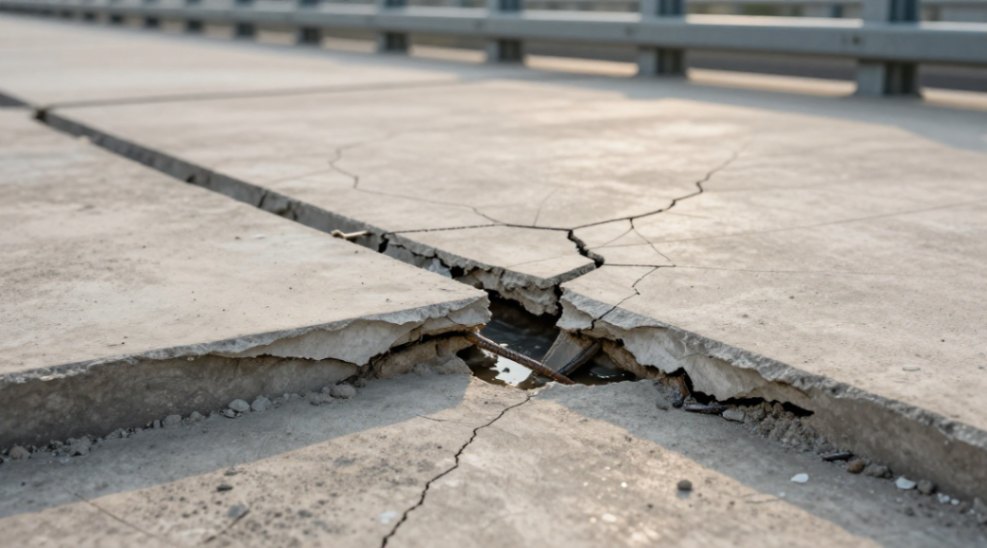
1. Mistaking “Light” for “Weak” in Your Structural Assumptions
The biggest error is a mental one. You think lightweight means compromised. You design the overlay like a traditional concrete topping, just thinner. This is a recipe for disaster. The logic is simple but ignored.
- Lightweight concrete derives its strength differently. Aggregates like expanded shale or clay create a matrix that is strong in compression but behaves uniquely under shear and flexural stress.
- You cannot copy-paste conventional mix designs. The water-cement ratio, admixture dosage, and placement methodology are non-negotiable variables. Treating it like normal weight concrete guarantees poor bonding and inadequate long-term performance.
- The benefit of reduced density is wasted if you don’t leverage it. The goal isn’t just to place concrete. The goal is to extend the bridge’s lifespan by significantly lowering permanent loads. If your design doesn’t capitalize on this for future live load capacity or seismic upgrades, you’re paying a premium for no strategic advantage.
2. Ignoring the Pre-Placement Interface – The Devil is in the Details
The overlay is only as good as its bond to the existing deck. Most failures start here. The surface preparation protocol for a lightweight overlay is more stringent, not less.
- Do not rely on shot blasting alone. The surface profile must be aggressive. You need clean, sound concrete with a perfect anchor pattern. Any laitance or weak substrate will fail. The bond strength requirement is higher because the overlay’s success depends entirely on this composite action.
- Do not misapply bonding agents. A slurry bond coat must be timed perfectly – applied immediately before the overlay is placed, not an hour before. It must be fluid and penetrate the profile. A skim coat or a tacky film will create a weak plane, a perfect layer for delamination to start.
- Do not underestimate moisture control. The existing deck must be saturated-surface-dry (SSD). A dry substrate will steal moisture from the lightweight mix, ruining the hydration process at the most critical zone. A puddled surface will dilute the bond coat. Get the moisture condition wrong, and you have already lost.
3. Pouring It Like Regular Concrete – The Placement Trap
This is where projects visibly go wrong. Lightweight concrete for bridge deck overlays is not “dumped and vibrated.” Its behavior during placement is distinct.
- Forget high-slump pours. A flowable mix leads to aggregate buoyancy and segregation. The lightweight aggregates will float, creating a weak, mortar-rich surface layer and a heterogeneous matrix below. You must use a low-slump, stiff mix designed for placement with laser screeds or vibratory screeds. It requires more skill, not less.
- Over-vibration is a silent killer. Excessive vibration causes the lightweight aggregates to rise, destroying the uniform mix design you paid for. Use internal vibration sparingly and with precise technique. The goal is consolidation, not liquefaction.
- Curing is not a suggestion; it’s the final, critical step. Lightweight concrete loses moisture faster. If you don’t initiate a curing membrane or wet curing immediately after finishing, you will get plastic shrinkage cracks. These cracks are not cosmetic. They are direct pathways for chlorides and water, negating the entire purpose of the overlay.
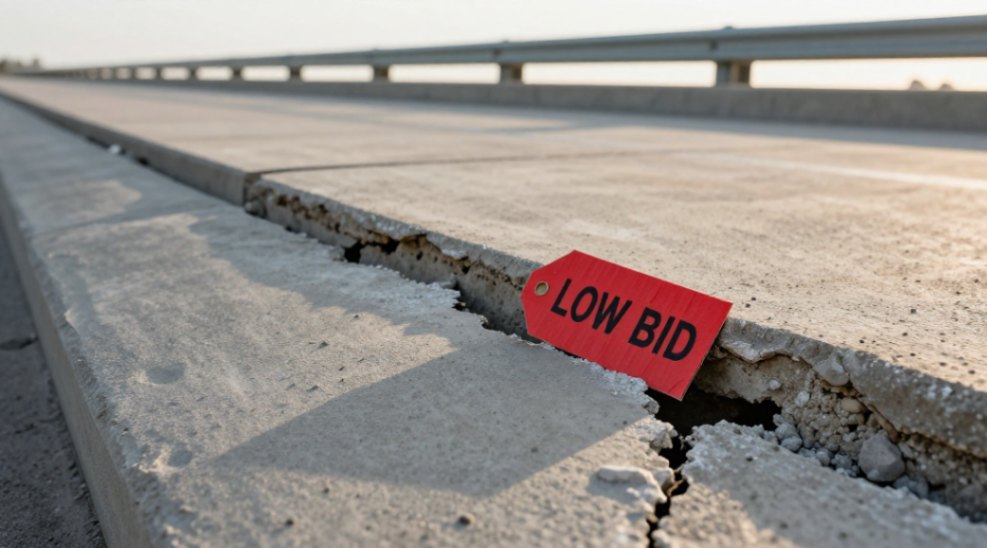
4. Chasing the Lowest Bid on Material Cost
Lightweight aggregate is more expensive. The temptation is to cheap out on the mix design or the supplier. This is a false economy that costs tenfold in repairs.
A proprietary lightweight concrete mix from a reputable supplier includes engineered admixtures for pumpability, finishability, and durability. A generic, cheap mix will not perform. You are not buying concrete. You are buying a performance system: the aggregates, the cementitious materials, the chemical admixtures, and the technical support. If your supplier cannot provide mix-specific placement guidelines and data sheets from comparable bridge projects, walk away. The initial investment in the correct material is the single largest factor in the lifecycle cost-benefit analysis. A failed overlay has zero return.
5. Assuming All Lightweight Concrete is the Same
The final, strategic error. You specify “lightweight concrete” and think the job is done. It is not.
- Aggregate type defines performance. Expanded shale (ES) offers higher strength and lower absorption. Expanded clay (EC) may be lighter but more absorbent. Sintered fly ash has different properties. Your choice impacts durability, weight, and cost. Specify the aggregate type and require test reports.
- The density range matters. A 110 pcf mix behaves differently than a 90 pcf mix. The structural design, the formwork pressure calculations, and the pumping equipment must match the specified density. Do not let the contractor substitute without a full engineering review.
- Future trends point to enhanced functionality. Innovative mixes now include internal curing agents, corrosion-inhibiting admixtures, and even conductive properties for de-icing. If you’re just specifying a basic lightweight mix, you’re missing the opportunity to solve tomorrow’s problems today – like deck corrosion and freeze-thaw damage.
The Path Forward: Precision, Not Guesswork
Lightweight concrete for bridge deck overlays is a powerful tool for extending service life and upgrading capacity. Its success depends on rejecting generic approaches. The material demands respect, precise specifications, and execution discipline. Avoid these five mistakes. Focus on the substrate bond, control the placement process, and invest in the right engineered mix. The result is not just a new deck surface. It is a long-term strategic asset that pays for itself by avoiding the catastrophic cost of a second, premature repair.
Your next step is not to buy anything. It is to scrutinize your next overlay specification line by line. Compare it against these warnings. Then, engage with a materials engineer who specializes in lightweight concrete systems for infrastructure. Show them this list. A conversation based on these specific, technical risks will separate a successful project from a costly lesson.
We are the global leader in lightweight concrete and advanced engineered foam solutions. Known globally for its commitment to research, innovation, and applied expertise, we have been providing engineered foam solutions since the early 2012’s.
We can supply high-quality concrete admixture and foam concrete related products all over the world.
The company has a professional technical department and quality supervision department, a well-equipped laboratory, and equipped with advanced testing equipment and after-sales customer service center.
If you are interested, please feel free and contact us.