Professional solutions on concrete addtives, Concrete Foaming Agent, Superplasticizer, CLC Blocks Additives, and foaming machine

Fire Foam Generator Low Expansion Foam Pourer
PRODUCT PARAMETERS
Description
Overview of Fire Foam Generator Low Expansion Foam Pourer
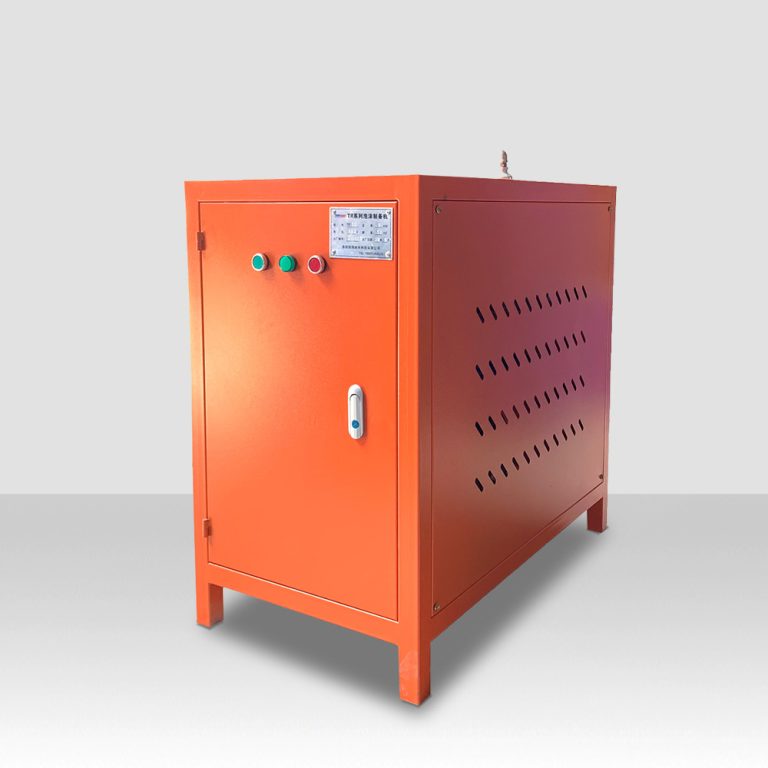
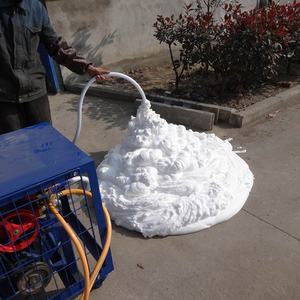
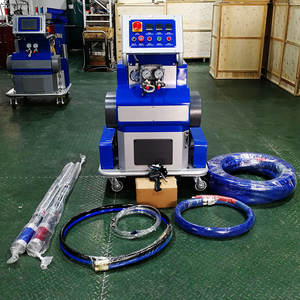
Fire Foam Generator Low Expansion Foam Pourer is essential equipment for the production of foam concrete, a versatile building material used in a wide range of applications such as insulation, fireproofing, and lightweight construction. The foam generator is responsible for generating stable and consistent foam, which is mixed with cement to create foam concrete with specific properties. There are various types of foam generators, including manual, semi-automatic, and fully automatic models, each suitable for different production scales and material requirements. Proper maintenance and calibration of the generator are essential to ensure foam stability and mix uniformity. By choosing the right generator, manufacturers can ensure efficient production of high-quality foam concrete, meeting industry standards and customer needs.
Characteristics of Fire Foam Generator Low Expansion Foam Pourer
High Foam Stability: Equipped with advanced foam-making technology, these generators produce stable, consistent foam, ensuring uniformity in the foam concrete mixture. This leads to better performance and durability of the final product.
Wide Foam Density Range: Concrete foam generators can produce a wide range of foam densities, from low-density foam for lightweight insulation panels to high-density foam for structural applications. This flexibility allows users to tailor foam concrete to their specific needs.
High Efficiency: Designed to optimize foam production, these generators deliver high output with minimal energy consumption. This makes them ideal for large-scale industrial production while maintaining cost-effectiveness.
Multiple Control Modes: Many foam generators offer adjustable control modes, such as manual, semi-automatic, or fully automatic operation. These modes can be selected based on production requirements and operator preference, ensuring precise control over foam quality.
Easy Operation and Maintenance: Concrete foam generators are designed with user-friendly interfaces and easy-to-follow instructions, making them simple to operate. Regular maintenance requirements are minimal, ensuring long-term, hassle-free performance.
Compact Design: Despite their powerful capabilities, these foam generators are typically compact and easy to install in existing production lines, optimizing space in industrial environments.
Durability and Reliability: Constructed from high-quality materials, concrete foam generators are built for long-term reliability and robust performance, even in demanding industrial environments. This ensures consistent output and reduced downtime.
Customizable Foam Output: The foam output can be adjusted according to the required consistency and volume, offering users the flexibility to meet varying production demands.
Environmental Friendly: Foam concrete production with these generators is environmentally friendly due to reduced energy usage and the ability to recycle waste materials, contributing to a more sustainable construction process.
Safety Features: Equipped with built-in safety measures, including overload protection, automatic shut-off functions, and fault detection alarms, concrete foam generators ensure safe operation and prevent damage during unexpected conditions.

Specification of Fire Foam Generator Low Expansion Foam Pourer
This fire foam generator makes low expansion foam. Firefighters use it to put out liquid fuel fires. It mixes water, foam concentrate, and air. The foam covers the fuel surface. This stops air and vapor. The fire goes out.
The generator body is brass or stainless steel. These materials resist rust and chemicals. They last a long time. The foam pourer attaches to the generator. It shapes the foam stream. It controls how the foam spreads.
Flow rates vary. Common sizes are 200 liters per minute and 400 liters per minute. Higher flow models exist too. The expansion ratio is low. It makes foam 5 to 20 times the liquid volume. This foam is heavy and wet. It flows well over fuel. It sticks to surfaces.
Operating pressure is important. Most generators work between 4 bar and 8 bar. Check the exact model specs. Pressure affects foam quality and flow. The generator needs enough water pressure.
This equipment connects to fire hoses. It uses standard couplings. Installation is straightforward. Maintenance is simple. Regular cleaning prevents blockages. Check for damage often.
The foam pourer directs the foam blanket. It helps cover large areas fast. Good coverage smothers the fire quicker. This equipment meets fire safety standards. It is reliable for industrial sites, fuel storage, and airports.
Applications of Fire Foam Generator Low Expansion Foam Pourer
Fire foam generators make foam to fight fires. Low expansion foam pourers are a common type. They mix water, foam concentrate, and air. The mixture produces a gentle foam blanket. This foam blanket smothers fires. It cools hot surfaces too. The foam works well on flammable liquid fires. Gasoline, oil, or chemicals burning need this foam. The foam blanket stops air from reaching the fuel. Without air, the fire dies. The foam also cools the burning liquid. It helps stop vapors from forming. Vapors can reignite easily. Low expansion foam spreads gently. It flows over the burning liquid surface. It creates a stable layer. This layer seals the fuel. The foam is wet and heavy. It clings to surfaces. It does not dry out quickly. This makes it effective for longer times. Firefighters use these pourers indoors and outdoors. They attach them to fire trucks. They connect them to hoses. The pourers can be fixed on walls or ceilings. Warehouses use them a lot. Aircraft hangars need them too. Fuel storage areas rely on them. They protect valuable equipment. They prevent fires from spreading fast. The foam is safe on most materials. It does not harm electronics much. Cleanup is relatively easy. Water rinses most of it away. Low expansion foam pourers are reliable tools. They are simple to maintain. Fire crews train with them regularly. They are a key part of fire safety plans. Many industries install them for protection. They provide vital minutes to escape. They help control fires before they grow huge.
Company Profile
We are the global leader in lightweight concrete and advanced engineered foam solutions. Known globally for its commitment to research, innovation, and applied expertise, we have been providing engineered foam solutions since the early 2012’s.
We can supply high-quality concrete admixture and foam concrete related products all over the world.
The company has a professional technical department and quality supervision department, a well-equipped laboratory, and equipped with advanced testing equipment and after-sales customer service center.
If you are interested, please feel free and contact us.
Payment
T/T, Western Union, Paypal, Credit Card etc.
Shipment
By air, by sea, by express, as customers request.
5 FAQs of Fire Foam Generator Low Expansion Foam Pourer
What is a Fire Foam Generator Low Expansion Foam Pourer?
It’s a special firefighting nozzle. It mixes water, foam concentrate, and air. This creates a low-expansion foam blanket. This blanket smothers fires. It works especially well on flammable liquid fires.
How does the Low Expansion Foam Pourer work?
Water under pressure flows through it. The foam concentrate gets sucked in. Air is also pulled into the mix. These three things combine inside the pourer. The result is a thick foam. This foam expands only a little. It expands about 20 times its liquid volume. It spreads over the burning surface. It cuts off the fire’s oxygen supply. This cools the fuel and stops the fire.
Why use low expansion foam?
Low expansion foam is heavier. It flows well. It can cover burning liquids effectively. It resists heat better. It doesn’t break down quickly. This gives it good staying power. It forms a stable blanket. This seals the fuel surface. It prevents reignition. It’s ideal for large fuel spills.
Where is the Low Expansion Foam Pourer used?
You see them often in places with flammable liquids. Think fuel storage areas. Think chemical plants. Think aircraft hangars. Think refineries. They mount on fixed systems. Firefighters use them on trucks. They attach to hoses. They fight Class B fires. These fires involve liquids like gasoline or oil. They are placed where a fast, stable foam cover is needed.
What about maintenance for the Foam Pourer?
Regular checks are important. Clean it after every use. Flush it with clean water. Look for damage or blockages. Check the foam concentrate pickup tube. Make sure the air inlet holes are clear. Follow the maker’s service schedule. Replace worn parts quickly. Proper care keeps it ready. It needs to work perfectly during an emergency.