Professional solutions on concrete addtives, Concrete Foaming Agent, Superplasticizer, CLC Blocks Additives, and foaming machine

How Do You Choose and Use the Right Concrete Admixtures for Your Project?
1. Introduction
Just 24 hours ago, a major infrastructure project in Texas halted due to unexpected concrete cracking caused by improper admixture selection—a stark reminder of how critical these ‘concrete chemicals’ really are. With rising demand for durable, sustainable, and high-performance concrete, understanding admixtures isn’t just for engineers—it’s essential for contractors, DIYers, and builders alike.
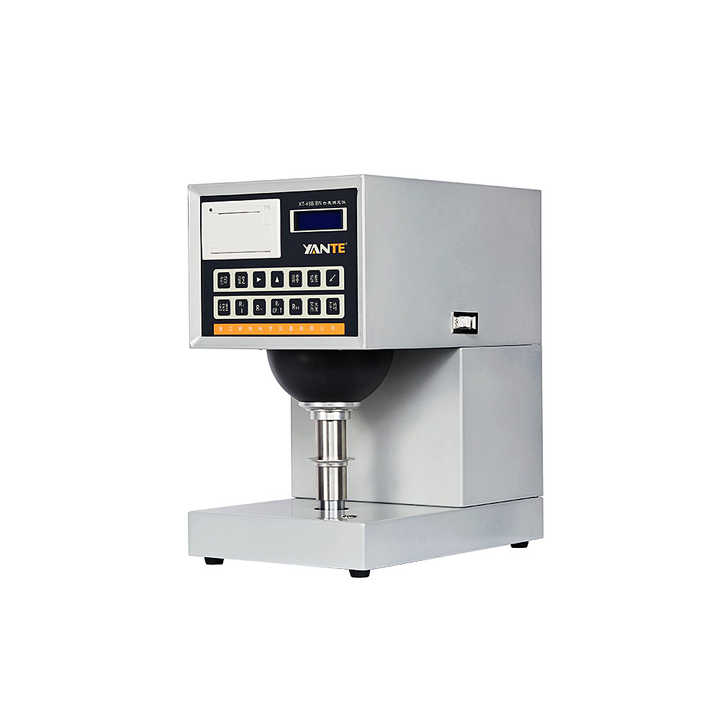
Concrete admixtures—also called ad mixtures or concrete additives—are substances added to concrete before or during mixing to modify its properties. From speeding up curing time with a concrete accelerator to preventing freeze-thaw damage with an air entraining agent, the right admixture can make or break your pour. In this guide, we’ll walk you through how to choose and use the best admixture for concrete based on your specific needs.
2. Understanding Common Admixture Types
Not all admixtures are created equal. The American Concrete Institute (ACI) classifies them into chemical and mineral categories. Here’s a quick breakdown of the most widely used admixture types:
- Water reducing admixtures (including mid-range and high-range water reducers like superplasticizer)
- Concrete retarder and concrete accelerator for controlling setting time
- Air entraining admixture for freeze-thaw resistance
- Waterproofing admixture (such as integral waterproofer or crystalline waterproofing admixture)
- Fiber reinforcement (polypropylene fibres for concrete, steel fibers for concrete, etc.)
- Foaming agents for lightweight or cellular concrete
3. Step-by-Step Guide to Selecting and Using Admixtures
3.1. Identify Your Concrete Challenge
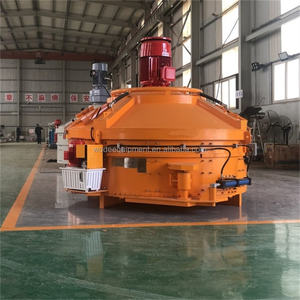
Start by asking: What problem are you solving? Is your mix too stiff? Pouring in winter? Need waterproofing? For example, if you need better flow without adding water, a superplasticizer in concrete is your go-to. If you’re casting decorative stamped concrete, you might need a surface retarder concrete to delay surface set for imprinting.
3.2. Choose the Right Admixture Type
Match your challenge to the correct admixture:
- For high workability: Use a superplasticizer admixture (e.g., polycarboxylate ether-based). These are also known as plasticizer for concrete or concrete plasticiser.
- For cold weather: Pick accelerating admixtures for concrete to reduce concrete accelerator curing time.
- For hot weather or long hauls: Use a concrete retarder admixture or admixture retarder to delay setting.
- For durability in wet climates: Add a concrete waterproofing additive like a cement waterproofing additive or crystalline waterproofing admixture.
- For crack control: Incorporate fibers for concrete—polypropylene fibre, steel fiber reinforced concrete, or even coconut fiber reinforced concrete for eco-friendly builds.
3.3. Determine Proper Dosage
Always follow manufacturer guidelines. Overdosing a superplasticizer can cause segregation; underdosing a waterproof admix may render it ineffective. Typical dosages:
- Superplasticizer: 0.5–2% by weight of cement
- Air entraining agent: 0.05–0.2% (creates microscopic air bubbles for freeze-thaw protection)
- Polypropylene fibres for concrete: 0.5–1.0 kg per cubic meter
- Integral waterproofer: 1–3% depending on exposure conditions
3.4. Mix Correctly
Add admixtures at the right stage:
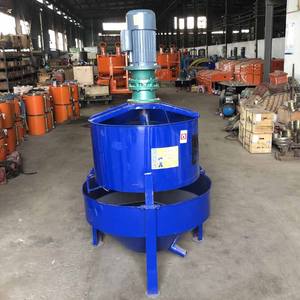
- Most chemical admixture for concrete (like superplasticizer) should be added after initial water-cement mixing.
- Fibers must be dispersed evenly—use a high-shear mixer if possible to avoid clumping in fiber reinforced concrete mix.
- Foaming agent for foam concrete (e.g., protein based foaming agent) must be pre-mixed with water before introducing to the cement slurry.
Never add extra water to compensate for poor workability—that weakens strength. Instead, adjust with a water reducer or superplasticizer.
4. Solving Common Problems with Admixtures
4.1. Concrete Too Stiff or Dry?
Use a high-range water reducer like a polycarboxylate superplasticizer. This improves flow while maintaining low water-cement ratio—ideal for pumpable or self-consolidating concrete.
4.2. Cracking During Curing?
Incorporate reinforcement fiber for concrete. Polypropylene fibres for concrete control plastic shrinkage cracks, while steel fibers for concrete boost post-crack toughness.
4.3. Need Waterproof Concrete Without Membranes?
Opt for an admixture waterproofing solution like a crystalline waterproofing admixture or integral waterproofer. These react with moisture to form insoluble crystals that block capillaries—perfect for basements or water tanks.
4.4. Pouring in Sub-Zero Temperatures?
Combine a concrete accelerator with an air entraining concrete admixture. The accelerator speeds early strength gain, while air entraining prevents internal ice damage.
5. Pro Tips & Trends
Modern projects increasingly use PCE (polycarboxylate ether) superplasticizers—they offer superior slump retention and compatibility with supplementary cementitious materials. Brands like Chryso admixture lead in performance.
For aesthetics, colored concrete often pairs with release agents (like powder release agent for concrete) during stamping. Use tinted concrete powders for consistent hues—from charcoal stamped concrete to terra cotta concrete color.
And don’t overlook sustainability: coconut fibre concrete and recycled fiberfor concrete mixes are gaining traction in green building.
6. Conclusion
Choosing the right admixture used in concrete isn’t guesswork—it’s science backed by practical know-how. Whether you need a fast curing concrete additives for emergency repairs or a concrete water reducer to enhance sustainability, understanding admixture types and their proper use ensures stronger, longer-lasting results. Always test small batches first, read technical data sheets, and consult suppliers for site-specific advice.
Our Website founded on October 17, 2012, is a high-tech enterprise committed to the research and development, production, processing, sales and technical services of ceramic relative materials such as How. Our products includes but not limited to Boron Carbide Ceramic Products, Boron Nitride Ceramic Products, Silicon Carbide Ceramic Products, Silicon Nitride Ceramic Products, Zirconium Dioxide Ceramic Products, etc. If you are interested, please feel free to contact us.