Professional solutions on concrete addtives, Concrete Foaming Agent, Superplasticizer, CLC Blocks Additives, and foaming machine

Master the Essentials of Concrete Admixtures for Stronger, Smarter Builds
1. Introduction
Just 48 hours ago, global construction leaders at the World Sustainable Infrastructure Summit highlighted a breakthrough: next-generation polycarboxylate ether (PCE) superplasticizers are now enabling carbon-neutral concrete mixes without sacrificing strength. This innovation underscores how vital admixtures have become in meeting today’s green building demands.
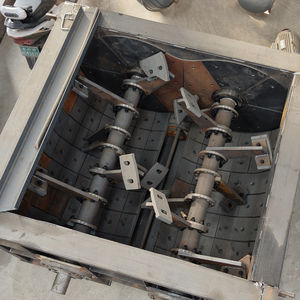
Whether you’re pouring a driveway, erecting a skyscraper, or waterproofing a basement, admixtures are the unsung heroes behind high-performance concrete. These concrete chemicals fine-tune everything from setting time to freeze-thaw resistance—and even aesthetics. Let’s break down what they are, why they matter, and which ones deliver the best results.
2. What Are Admixtures?
Admixtures—sometimes spelled ‘ad mixtures’—are materials added to concrete, mortar, or grout during mixing to modify its properties. Unlike aggregates or cement, admixtures aren’t structural components but functional enhancers. They can be chemical or mineral-based and are used in small quantities (typically under 5% by weight of cement).
Modern construction rarely uses plain concrete. Instead, engineers specify precise admixture types to meet project requirements—like faster curing, reduced water content, or improved finish. The right admixture used in concrete can mean the difference between a crack-prone slab and a decades-lasting foundation.
3. Key Types of Concrete Admixtures
Concrete admixture types fall into two broad categories: chemical and mineral. Chemical admixtures include liquid or powder additives that react with cement, while mineral admixtures (like fly ash or silica fume) partially replace cement and improve long-term strength.
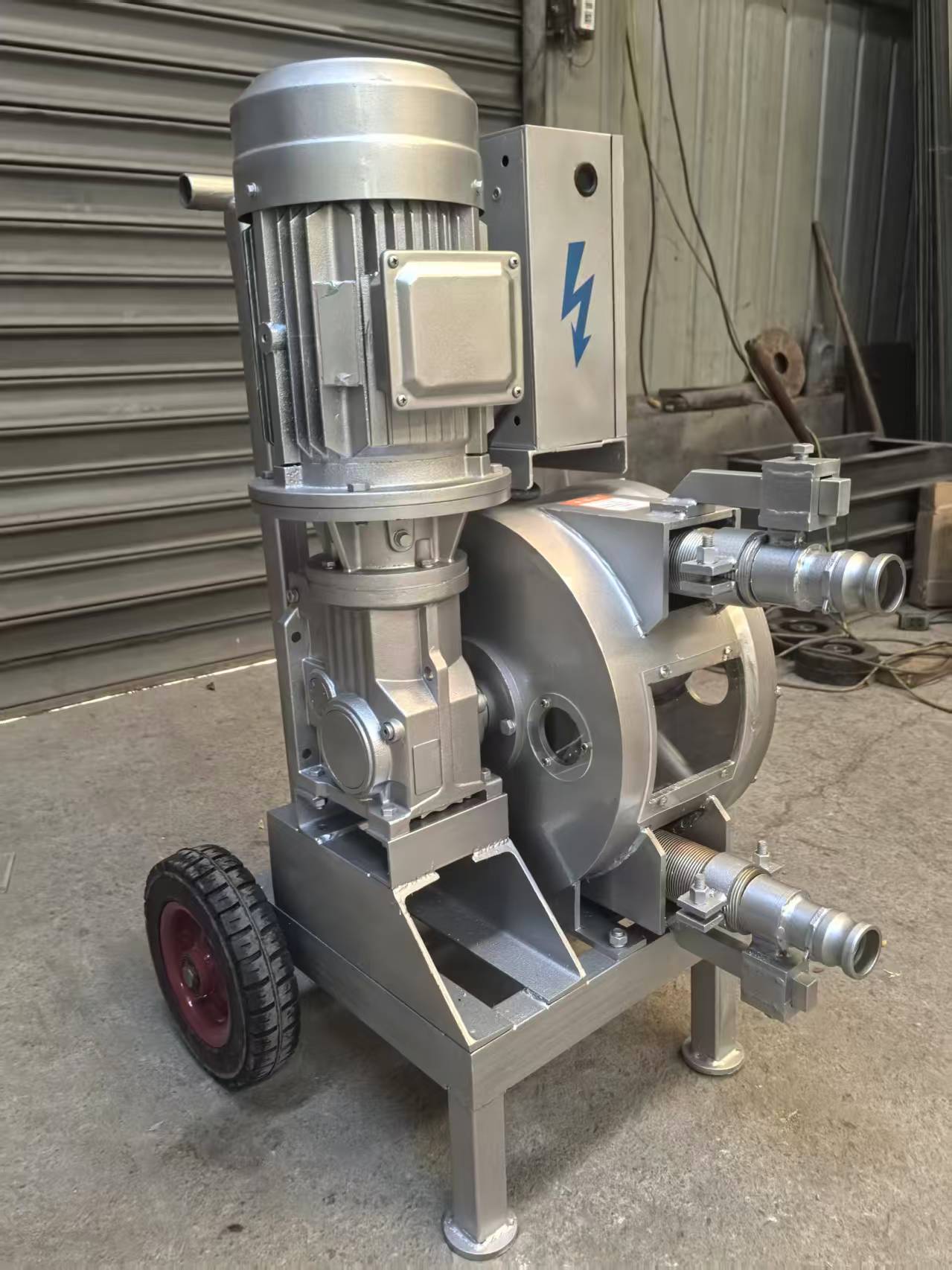
- Water reducing admixtures (also called concrete water reducers) lower the water-cement ratio, boosting strength without compromising workability. High-range versions are known as superplasticizers.
- Concrete accelerator admixtures speed up early strength development—ideal for cold-weather pours or fast-track projects. They shorten concrete accelerator curing time significantly.
- Concrete retarder admixtures delay setting, useful in hot climates or for complex placements. Surface retarder concrete products allow decorative stamping by keeping the surface workable longer.
- Air entraining admixtures introduce microscopic air bubbles, improving freeze-thaw resistance. This is critical for roads and bridges in northern climates. Look for terms like air entraining agent or air entraining concrete when specifying these.
- Waterproofing admixtures—including integral waterproofer, crystalline waterproofing admixture, and cement waterproofing additive—block moisture penetration from within the mix itself.
4. Superplasticizers: The Game-Changer in Modern Concrete
Superplasticizers (or super plasticizers) are among the most widely used concrete additives today. These high-range water reducers—especially polycarboxylate ether (PCE)-based formulas—can reduce water content by up to 40% while maintaining flowability.
Why does this matter? Less water means higher compressive strength, lower permeability, and better durability. PCE superplasticizers outperform older naphthalene or melamine-based versions in both efficiency and environmental impact. Brands like Chryso admixture offer advanced PCE formulations trusted worldwide.
When shopping for the best superplasticizer for concrete, consider factors like compatibility with your cement type, dosage rate, and whether it’s a PCE-based product. Superplasticizer in concrete also enables self-consolidating mixes—eliminating the need for vibration during placement.
5. Fiber Reinforcement and Specialty Additives
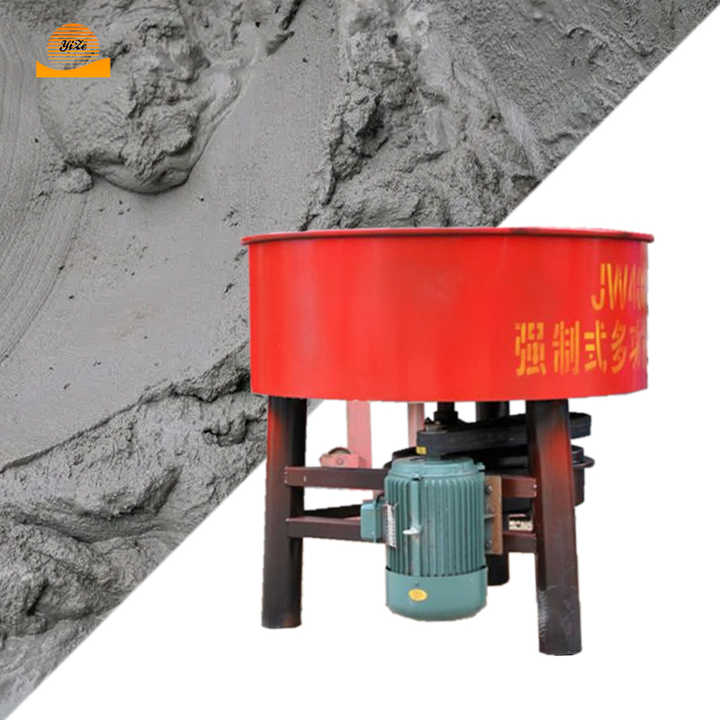
Beyond traditional chemicals, fibers are increasingly common as concrete additives fiber solutions. Polypropylene fibres for concrete, steel fibers for concrete, and even coconut fiber reinforced concrete add tensile strength and crack control.
Fiber-reinforced concrete is now standard in industrial floors, tunnels, and seismic zones. Products like Fibermesh concrete use macro fibers or microfibers to enhance toughness. For residential builds, fiber cement siding (often marketed as Hardie or CertainTeed concrete siding) offers durable, wood-like exteriors at competitive concrete siding cost.
Other niche additives include foaming agents for lightweight foam concrete (used in CLC blocks), colored concrete powders for stamped finishes, and release agents that prevent sticking during formwork removal.
6. Choosing the Best Admixture for Your Project
There’s no universal ‘best admixture for concrete’—it depends on your goals. Need rapid strength gain? Use accelerating admixtures for concrete. Pouring in summer heat? A concrete retarder admixture keeps things manageable. Waterproofing a basement? Opt for a crystalline waterproofing admixture or concrete waterproof admix.
Always consult technical data sheets and consider compatibility. For example, some superplasticizer admixtures interact poorly with certain cements. Also, verify that your chosen additive meets ASTM or EN standards.
For DIYers, many concrete chemicals—including plasticizer for concrete, concrete waterproofing additive, and powder release agents—are available at retailers like Home Depot. Just ensure you’re using the correct dosage; too much superplasticizer can cause segregation.
7. Conclusion
From superplasticizers that enable ultra-high-strength mixes to air entraining admixtures that protect against winter damage, admixtures are indispensable in modern construction. As sustainability drives innovation—like low-carbon PCE formulas and bio-based foaming agents—the role of concrete additives will only grow. By understanding admixture types and their functions, builders can create smarter, longer-lasting, and more resilient structures.
Our Website founded on October 17, 2012, is a high-tech enterprise committed to the research and development, production, processing, sales and technical services of ceramic relative materials such as Master. Our products includes but not limited to Boron Carbide Ceramic Products, Boron Nitride Ceramic Products, Silicon Carbide Ceramic Products, Silicon Nitride Ceramic Products, Zirconium Dioxide Ceramic Products, etc. If you are interested, please feel free to contact us.