Professional solutions on concrete addtives, Concrete Foaming Agent, Superplasticizer, CLC Blocks Additives, and foaming machine

Concrete Admixture Steel Fiber

PRODUCT PARAMETERS
Description
Overview of Concrete Admixture Steel Fiber
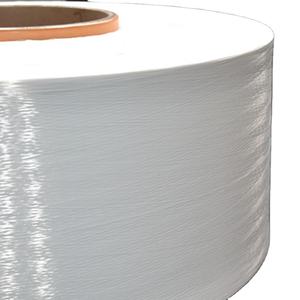
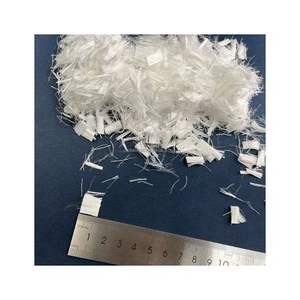
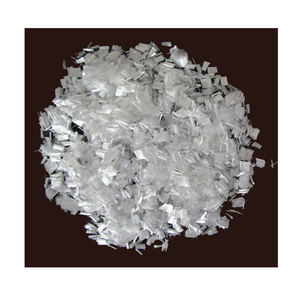
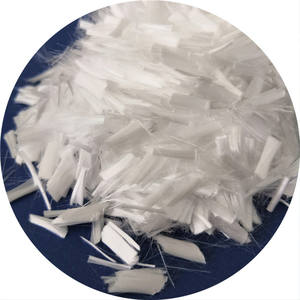
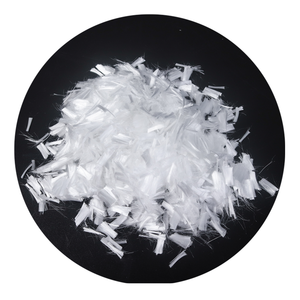
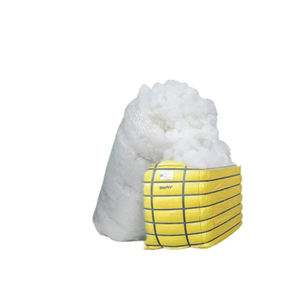
For high-impact resistance, we offer Steel Fibers, an ideal replacement for welded wire mesh in industrial floors and pre-cast elements. We also provide specialized Structural Synthetic Fibers that offer high tensile strength for demanding applications. These fibers are uniformly dispersed throughout the concrete mix, creating a multi-dimensional reinforcement network that traditional methods cannot achieve. This integrated approach simplifies construction, accelerates placement, and enhances the overall integrity and longevity of the concrete, providing a modern answer to age-old cracking and durability challenges.
Features of Concrete Admixture Steel Fiber
1. Superior Crack Control and Enhanced Durability:
The primary feature of our fibers is their ability to bridge both micro-cracks that form during the plastic state and larger cracks in hardened concrete. This three-dimensional dispersion creates a more cohesive matrix that resists crack propagation. The direct benefit is a significant reduction in both plastic shrinkage cracking and long-term crack width. This leads to a much more durable concrete with lower permeability, which in turn enhances resistance to water ingress, freeze-thaw damage, and corrosion of any embedded steel. The result is a structure with a longer service life and reduced maintenance costs.
2. Increased Impact and Abrasion Resistance:
Fibers, particularly steel and robust synthetic macro fibers, dramatically improve the concrete’s toughness and post-crack performance. They absorb and distribute energy upon impact or loading. This feature provides the benefit of a more resilient surface that is less prone to spalling, chipping, and abrasion under heavy traffic or mechanical wear. This is a critical advantage for industrial floors, warehouse pavements, and infrastructure projects, leading to a harder-wearing surface that maintains its integrity over time.
3. Construction Efficiency and Cost Savings:
A key feature of using fiber reinforcement is the elimination of welded wire mesh (WWF) in many applications. This provides immense on-site benefits: it simplifies placement, as there is no mesh to be set up or potentially displaced, and it accelerates the entire construction process. By removing a labor-intensive step, projects see reduced labor costs and faster project timelines. The uniform distribution of fibers also ensures consistent reinforcement throughout the entire concrete section, unlike mesh, which can be improperly placed, leading to more reliable and predictable performance.

Specifications of Concrete Admixture Steel Fiber
Steel fiber for concrete is a special additive. It makes concrete a lot more powerful and harder. This fiber blends right into the concrete batch. It aids manage breaking and enhances durability. You include it throughout the blending procedure. It functions well for many concrete jobs.
There are different types of steel fiber. Hooked-end fibers are extremely typical. Straight fibers and crimped fibers are other alternatives. Each kind has particular advantages. The fiber’s form influences exactly how it bonds with the concrete. Fiber length is very important. It normally varies from 20mm to 60mm. Fiber size is also vital. It frequently falls between 0.3 mm and 1.0 mm. The facet ratio (size divided by size) matters a great deal. Usual ratios are in between 50 and 100. This ratio affects the fiber’s performance.
The fiber material is high-strength steel. It is generally made from cold-drawn cable. The steel needs to withstand corrosion. Some fibers have a protective covering. Others rely on the concrete’s alkalinity. The tensile stamina of the fiber is high. It is typically over 1000 MPa. This toughness helps the concrete handle anxiety.
Performance requirements overview fiber use. Fibers have to meet certain tests. These tests inspect flexural durability and residual toughness. Usual criteria include ASTM A820 and EN 14889-1. These guarantee the fiber does as anticipated.
Adding the fiber properly is critical. The dose price relies on the task. Typical amounts range from 20 kg to 60 kg per cubic meter of concrete. Greater does give more stamina. The fiber must spread out uniformly throughout the mix. Mixing time could need a little boost. This ensures good diffusion. The concrete slump might decrease slightly. Modifications to the water or admixtures can aid.
Steel fiber concrete fits lots of applications. It benefits industrial floors, bridge decks, and tunnel linings. It also benefits precast components and shotcrete. The fiber improves impact resistance. It also boosts exhaustion resistance.
Applications of Concrete Admixture Steel Fiber
Steel fiber strengthened concrete blends are really helpful in construction. They boost concrete efficiency a whole lot. Individuals include steel fibers to the concrete mix. These fibers help regulate cracking. They likewise make concrete much harder.
Industrial floors and sidewalks frequently utilize this product. Heavy machinery and consistent web traffic need solid surface areas. Steel fibers stop splits from dispersing. This suggests less upkeep later on. Storage facilities and manufacturing facilities pick this solution typically.
Tunnel linings and mining projects likewise profit. Underground frameworks deal with high pressures. Steel fiber concrete handles this stress and anxiety well. It minimizes the need for additional steel support bars. Installation becomes faster and more affordable.
Shotcrete applications acquire benefits too. Splashing concrete on slopes or walls prevails. Steel fibers boost adhesion throughout spraying. The finished surface area is a lot more resilient. This is important for stabilization job.
Precast concrete components like pipes or panels use steel fibers. Manufacturing these products requires trusted materials. Fibers aid protect against damage throughout handling. They additionally enhance product life expectancy after setup.
Safety barriers and impact-resistant frameworks rely on this modern technology. Areas needing blast defense or crash resistance specify it. The fibers soak up energy efficiently. They stop devastating failure.
This product suits structures exposed to extreme weather. Freeze-thaw cycles damages regular concrete. Steel fiber reinforcement reduces this issue. It extends the life span significantly.
Builders value the labor savings. Less conventional rebar suggests much faster positioning. Projects complete quicker with less workers needed. Prices commonly reduce because of this.
Company Profile
We are the global leader in lightweight concrete and advanced engineered foam solutions. Known globally for its commitment to research, innovation, and applied expertise, we have been providing engineered foam solutions since the early 2012’s.
We can supply high-quality concrete admixture and foam concrete related products all over the world.
The company has a professional technical department and quality supervision department, a well-equipped laboratory, and equipped with advanced testing equipment and after-sales customer service center.
If you are interested, please feel free and contact us.
Payment
T/T, Western Union, Paypal, Credit Card etc.
Shipment
By air, by sea, by express, as customers request.
5 FAQs of Concrete Admixture Steel Fiber
What is concrete admixture steel fiber?
Concrete admixture steel fiber is tiny pieces of steel mixed into concrete. These fibers are added during the concrete mixing process. They become part of the concrete matrix. They help reinforce the concrete internally.
Why use steel fibers in concrete?
People add steel fibers to concrete to make it tougher. Plain concrete can crack easily under stress or impact. Steel fibers help hold the concrete together if cracks start. This makes the concrete stronger against bending, impact, and wear. It reduces cracking and can sometimes replace traditional rebar mesh.
How do steel fibers work in concrete?
Steel fibers spread throughout the wet concrete mix. After the concrete hardens, the fibers are locked inside. When a force tries to crack the concrete, the fibers bridge across the tiny cracks. They absorb energy and help stop the cracks from getting bigger. This gives the concrete better durability.
How much steel fiber is needed?
The right amount depends on the project. It depends on how strong the concrete needs to be. Typical amounts range from 20 to 60 kilograms per cubic meter of concrete. A concrete engineer will calculate the exact dosage. They consider the design requirements and the fiber type.
Does steel fiber concrete need special handling?
Steel fiber concrete can be placed and finished like regular concrete. It might need a little more effort during finishing because the fibers can show at the surface. Use normal vibration techniques. Wear gloves because the fibers can be sharp. The concrete supplier usually provides specific guidance.