Professional solutions on concrete addtives, Concrete Foaming Agent, Superplasticizer, CLC Blocks Additives, and foaming machine

Concrete Reinforcing Steel Fiber For Fiber Reinforced Concrete
PRODUCT PARAMETERS
Description
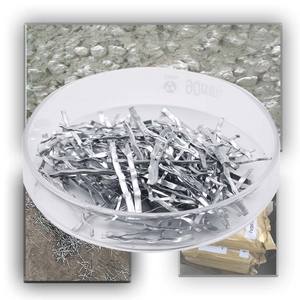
Overview of Concrete Reinforcing Steel Fiber For Fiber Reinforced Concrete
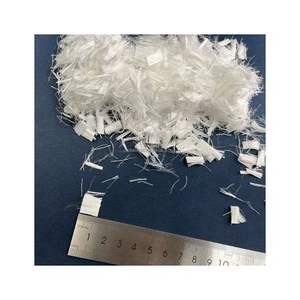
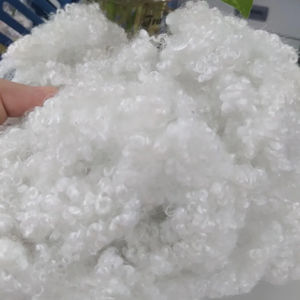
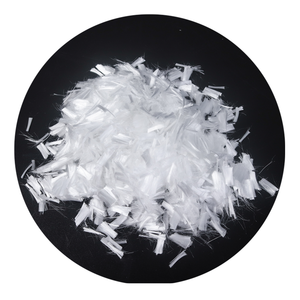
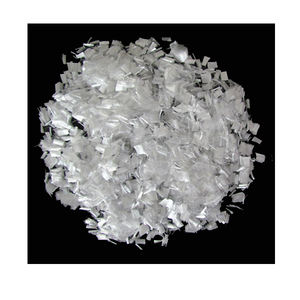
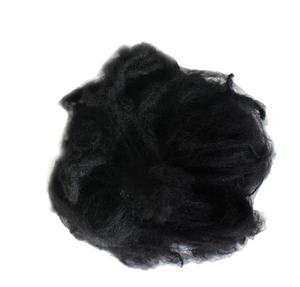
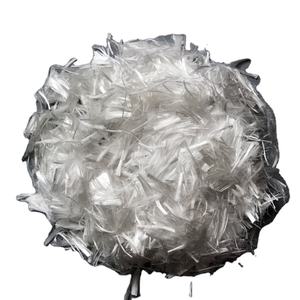
For high-impact resistance, we offer Steel Fibers, an ideal replacement for welded wire mesh in industrial floors and pre-cast elements. We also provide specialized Structural Synthetic Fibers that offer high tensile strength for demanding applications. These fibers are uniformly dispersed throughout the concrete mix, creating a multi-dimensional reinforcement network that traditional methods cannot achieve. This integrated approach simplifies construction, accelerates placement, and enhances the overall integrity and longevity of the concrete, providing a modern answer to age-old cracking and durability challenges.
Features of Concrete Reinforcing Steel Fiber For Fiber Reinforced Concrete
1. Superior Crack Control and Enhanced Durability:
The primary feature of our fibers is their ability to bridge both micro-cracks that form during the plastic state and larger cracks in hardened concrete. This three-dimensional dispersion creates a more cohesive matrix that resists crack propagation. The direct benefit is a significant reduction in both plastic shrinkage cracking and long-term crack width. This leads to a much more durable concrete with lower permeability, which in turn enhances resistance to water ingress, freeze-thaw damage, and corrosion of any embedded steel. The result is a structure with a longer service life and reduced maintenance costs.
2. Increased Impact and Abrasion Resistance:
Fibers, particularly steel and robust synthetic macro fibers, dramatically improve the concrete’s toughness and post-crack performance. They absorb and distribute energy upon impact or loading. This feature provides the benefit of a more resilient surface that is less prone to spalling, chipping, and abrasion under heavy traffic or mechanical wear. This is a critical advantage for industrial floors, warehouse pavements, and infrastructure projects, leading to a harder-wearing surface that maintains its integrity over time.
3. Construction Efficiency and Cost Savings:
A key feature of using fiber reinforcement is the elimination of welded wire mesh (WWF) in many applications. This provides immense on-site benefits: it simplifies placement, as there is no mesh to be set up or potentially displaced, and it accelerates the entire construction process. By removing a labor-intensive step, projects see reduced labor costs and faster project timelines. The uniform distribution of fibers also ensures consistent reinforcement throughout the entire concrete section, unlike mesh, which can be improperly placed, leading to more reliable and predictable performance.

Specifications of Concrete Reinforcing Steel Fiber For Fiber Reinforced Concrete
Steel fibers strengthen concrete. They quit splits from dispersing. Concrete obtains tougher with steel fibers inside. You require to recognize the fiber specs to select the right ones.
Product issues. Steel fibers are normally made from steel cord. The wire should be solid. High tensile stamina is vital. This implies the fiber won’t break conveniently under stress and anxiety. It pulls apart gradually. This assists hold cracked concrete together.
Fiber dimension is vital. Size and size specify it. Common lengths are in between 25mm and 60mm. Sizes are normally small, like 0.5 mm to 1.2 mm. These sizes mix well into concrete. They expanded effectively. The element proportion is very important too. That’s length divided by diameter. Greater ratios usually suggest better bonding. Yet they may be harder to mix. Lower proportions mix less complicated yet might bond much less. Discover the ideal equilibrium.
Forming impacts performance. Numerous fibers have hooked ends. These hooks grasp the concrete tightly. They withstand being pulled out. Straight fibers are easier. They count more on rubbing. Hooks usually offer much better anchorage. Some fibers are bumpy or crimped. This also aids them hold on.
Surface problem is an additional variable. Some fibers have a smooth surface area. Others could be indented or distinctive. Rough surface areas bond much better with the concrete paste. This boosts the pull-out strength. The fiber grasps the concrete more challenging.
Steel fibers been available in different types. Each type suits different jobs. Examine the specifications for your task. Fiber dose is crucial. It’s measured in kgs per cubic meter of concrete. Even more fibers normally imply harder concrete. Yet way too many can trigger mixing issues. Follow the supplier’s standards. They recognize their product best. Correct blending ensures fibers spread uniformly. This offers consistent support throughout the concrete slab or framework.
Applications of Concrete Reinforcing Steel Fiber For Fiber Reinforced Concrete
Concrete reinforcing steel fiber makes fiber enhanced concrete stronger. This concrete handles tough jobs much better. Steel fibers stop fractures from spreading. They make the concrete harder against hits and use. This fiber concrete lasts much longer in extreme places.
Industrial floorings use steel fiber concrete a lot. Warehouses and factories require hard floors. Forklifts drive on them throughout the day. Heavy lots sit on them. Steel fibers maintain these floors from fracturing. They reduce just how much the floor requires repair work. This conserves cash gradually.
Pavements for roadways and airport terminals profit also. Runways take care of significant plane weights. Roadways deal with continuous website traffic. Steel fibers add toughness to the pavement. They aid the pavement handle the heavy tons. The sidewalk surface area remains smoother longer.
Precast concrete elements gain benefits. Firms make wall surfaces, pipelines, and panels in advance. Adding steel fibers makes these pieces more powerful. They can deal with rough delivery. They resist damage throughout setup. This implies fewer damaged items on website.
Shotcrete applications rely upon steel fibers. Shotcrete is sprayed concrete. It’s utilized for passages, mines, and slope protection. Steel fibers hold the splashed mix together. They provide sustain right after spraying. This enables employees to develop faster and safer.
Passages and mining need resilient linings. These areas encounter high stress. They get lots of resonances. Steel fiber concrete takes on this. It doesn’t require added steel bars positioned. This streamlines structure in tight areas.
Water and waste frameworks require difficult concrete. Reservoirs, tanks, and pipelines hold liquids. These fluids can wear concrete down. Steel fibers improve resistance. They aid the concrete last versus chemicals and circulation.
Company Profile
We are the global leader in lightweight concrete and advanced engineered foam solutions. Known globally for its commitment to research, innovation, and applied expertise, we have been providing engineered foam solutions since the early 2012’s.
We can supply high-quality concrete admixture and foam concrete related products all over the world.
The company has a professional technical department and quality supervision department, a well-equipped laboratory, and equipped with advanced testing equipment and after-sales customer service center.
If you are interested, please feel free and contact us.
Payment
T/T, Western Union, Paypal, Credit Card etc.
Shipment
By air, by sea, by express, as customers request.
5 FAQs of Concrete Reinforcing Steel Fiber For Fiber Reinforced Concrete
People ask about steel fibers for concrete a lot. Here are five common questions and their answers. What are steel fibers? They are small pieces of steel added to concrete mix. They look like tiny wires or hooks. They reinforce the concrete, making it tougher. Why use steel fibers? They make concrete stronger. Concrete cracks easily. Steel fibers hold the cracked pieces together. This stops cracks from getting bigger. It makes slabs and floors last longer. They help prevent spalling too. Spalling is when the concrete surface chips off.
Are fibers better than rebar? They are different. Rebar handles big loads and tension. Fibers handle smaller cracks and stresses. They work together well. Fibers spread throughout the mix. This gives support everywhere. Rebar gives support only where it’s placed. Fibers are good for thinner sections. How much fiber should you add? The amount varies. It depends on the project. The concrete mix design matters. The fiber type matters too. Talk to your supplier. They know the right dosage for your needs. Follow the manufacturer’s instructions carefully.
Does fiber affect the concrete work? Yes, a little. The mix might seem stiffer. You need to adjust the water slightly sometimes. Don’t add too much extra water. That weakens the concrete. Proper mixing is important. It ensures the fibers spread evenly. They shouldn’t clump together. The finish might look different. You might see tiny fiber ends on the surface. This is normal. It doesn’t hurt the strength.