Professional solutions on concrete addtives, Concrete Foaming Agent, Superplasticizer, CLC Blocks Additives, and foaming machine

Mold Release Agent Concrete Foaming Agent
PRODUCT PARAMETERS
Description
Overview of Mold Release Agent Concrete Foaming Agent
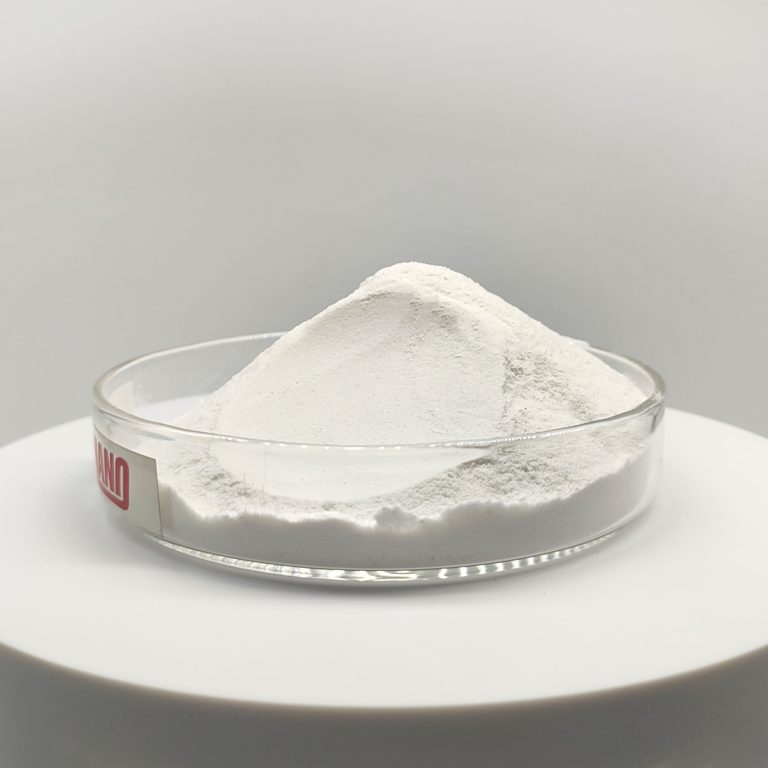
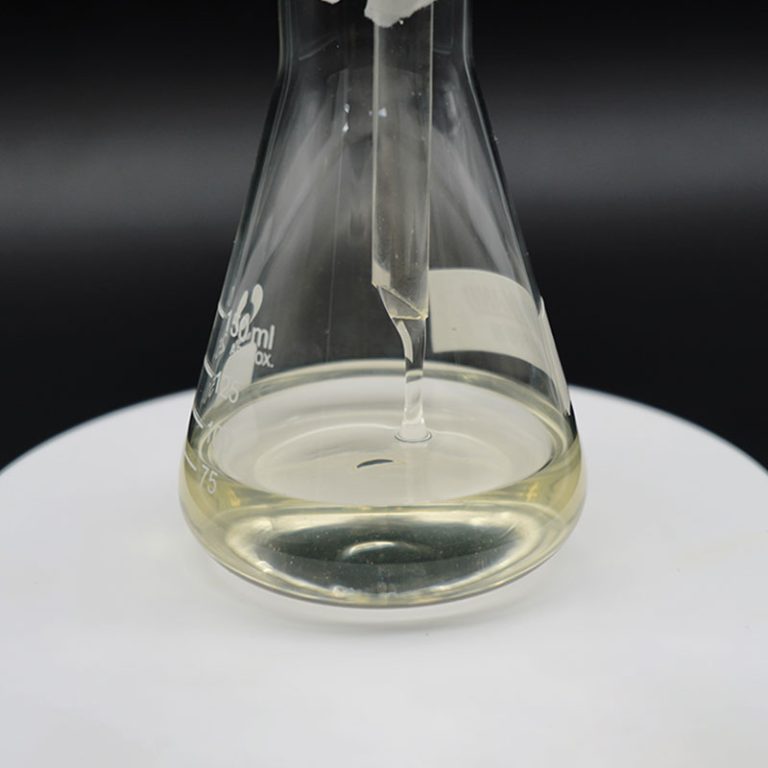
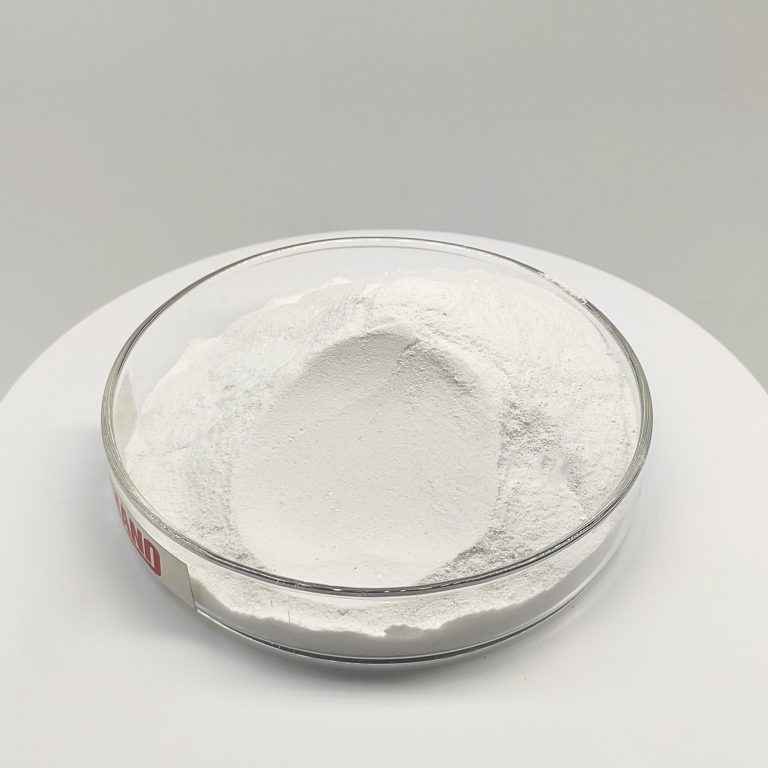
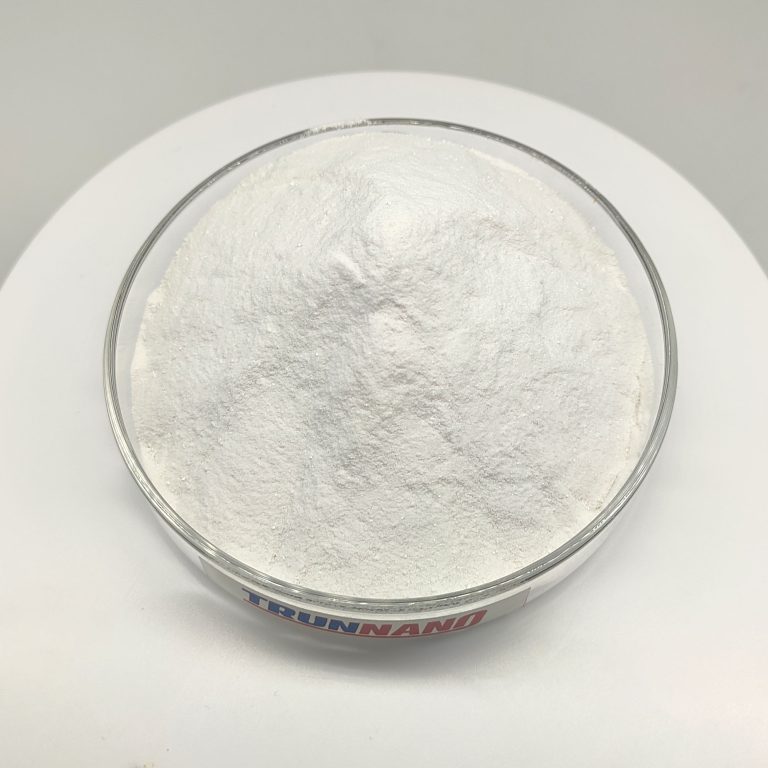
Mold Release Agent Concrete Foaming Agent is a surfactant that generates large quantities of uniform, stable foam through physical or chemical means. When this foam is thoroughly mixed with cement-based slurry (cement, fly ash, etc.) and cured naturally or with steam, it forms a novel lightweight material—foam concrete—internally filled with numerous closed air cells.
Features of Mold Release Agent Concrete Foaming Agent
1. High Foam Multiplication Ratio: High foam multiplication ratio allows for dilution before use. One kilogram of concentrate generates a large volume of uniform foam, delivering significant cost savings.
2. Strong Foam Stability: Produces resilient, uniformly fine foam walls that resist collapse or breakage. Effectively withstands pressure from cement slurry, ensuring independent and sealed air cells within the finished product.
3. Uniform and Fine Pore Structure: The foam concrete exhibits an ideal internal structure of closed spherical micro-pores, guaranteeing superior physical properties.
4. Low Material Consumption: Achieves equivalent density and strength grades with lower dosage than standard market products, reducing costs.
5. Eco-friendly and safe: Neutral formulation, non-toxic, odorless, and non-corrosive, posing no harm to the environment or human health. Classified as a green building material.
6. Wide adaptability: Excellent compatibility with various cements (including ordinary Portland cement and aluminate cement) and admixtures. Rapid foaming action with extended foam stability.

Specification of Mold Release Agent Concrete Foaming Agent
This Mold Launch Representative makes concrete forms very easy to strip. Use it to forms before pouring concrete. It produces a barrier avoiding concrete from sticking. Your forms come off cleanly and swiftly. This saves substantial labor time on every job. The cured concrete surface looks smooth and expert. No ugly marks or acnes stay. This agent functions accurately with timber, steel, and plastic kinds. It does not hurt the types or the concrete. Use it for precast panels, columns, beams, and pieces. Proper application makes certain consistent results each time.
Our Concrete Frothing Agent produces secure, constant air bubbles in concrete. Add it during the blending process. It creates countless small air pockets throughout the mix. This air substantially enhances concrete’s freeze-thaw resistance. The concrete handles wintertime climate far better. It likewise makes the mix more convenient and much easier to place. Employees can end up the surface area much more quickly. The foam framework stays secure throughout mixing and putting. This stops collapse or uneven air distribution. You obtain predictable lightweight concrete with excellent strength. Use it for protecting concrete, lightweight blocks, and flowable fills up. Consistent efficiency guarantees quality in every set.
Applications of Mold Release Agent Concrete Foaming Agent
Mold and mildew launch agents are important in concrete work. They stop fresh concrete from staying with mold and mildews. This makes taking the set concrete out a lot easier. Employees apply the launch agent to mold surface areas prior to putting concrete. The representative develops a thin obstacle. This obstacle stops adhesion. Tidy demolding happens. Concrete surface areas stay smooth and undamaged. This conserves time and effort on site. Damaged molds are avoided. Manufacturing quicken. Different types exist. Oil-based and water-based solutions prevail. Some use additional functions like rust avoidance. Picking the appropriate one relies on the mold and mildew material and concrete type. Great release agents leave no spots or marks on the finished concrete.
Concrete lathering representatives produce lightweight concrete. They make lots of little air bubbles inside the concrete mix. Employees include the frothing representative to water initially. They produce a stable foam making use of special equipment. Then they mix this foam into the cement slurry. The bubbles spread out uniformly throughout the mix. The concrete hardens with these bubbles caught within. This makes the concrete much lighter. Weight decrease is the major benefit. Much less weight implies smaller sized structures are needed. Handling and transportation come to be much easier. The air bubbles additionally boost thermal insulation. Lightweight cinder block and panels are common items. Foamed concrete fills voids well too. It streams right into hard areas. Making use of the correct lathering agent makes sure strong, long lasting light-weight concrete. The bubble structure should stay stable during mixing and pouring. Regular top quality matters for efficiency.
Company Profile
We are the global leader in lightweight concrete and advanced engineered foam solutions. Known globally for its commitment to research, innovation, and applied expertise, we have been providing engineered foam solutions since the early 2012’s.
We can supply high-quality concrete admixture and foam concrete related products all over the world.
The company has a professional technical department and quality supervision department, a well-equipped laboratory, and equipped with advanced testing equipment and after-sales customer service center.
If you are interested, please feel free and contact us.
Payment
T/T, Western Union, Paypal, Credit Card etc.
Shipment
By air, by sea, by express, as customers request.
5 FAQs of Mold Release Agent Concrete Foaming Agent
What is mold release agent?
Mold release agent is a special spray or liquid. You apply it to concrete molds before pouring concrete. It stops the fresh concrete from sticking to the mold sides. This makes taking the hardened concrete out much easier. Clean molds last longer too.
Why use a concrete foaming agent?
Concrete foaming agent creates tiny air bubbles inside the concrete mix. This makes the concrete lighter. Lighter concrete is easier to handle and transport. It also gives better insulation against heat and cold. You get strong concrete that weighs less.
How do these agents work?
Mold release agent forms a thin, slippery layer on the mold surface. Concrete cannot bond to this layer. Concrete foaming agent gets mixed with water and air. This creates lots of stable foam bubbles throughout the concrete paste. The bubbles stay put as the concrete hardens.
Are these agents safe?
Reputable brands design these agents for construction safety. Still, always follow the label instructions. Wear gloves and eye protection when handling them. Work in places with good airflow. Keep them away from kids and animals. Check the product’s safety sheet for details.
How do I apply mold release agent?
First, clean the mold surface well. Remove old concrete or dirt. Shake the agent container well. Spray or brush a thin, even coat onto the mold. Cover every part touching the concrete. Don’t use too much. A thin layer works best. Let it dry slightly before pouring concrete.