Professional solutions on concrete addtives, Concrete Foaming Agent, Superplasticizer, CLC Blocks Additives, and foaming machine

Industrial Concrete Floor Repair Materials High Hardness Than Epoxy Concrete Floor Repair Materials
PRODUCT PARAMETERS
Description
Introduction of Industrial Concrete Floor Repair Materials High Hardness Than Epoxy Concrete Floor Repair Materials
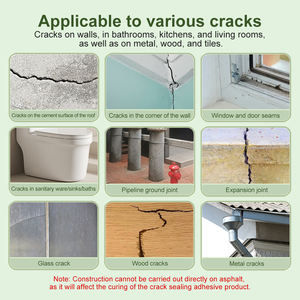
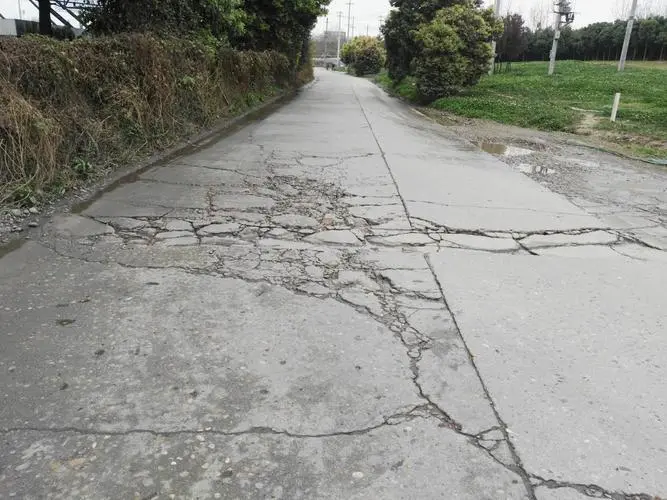
Industrial Concrete Floor Repair Materials High Hardness Than Epoxy Concrete Floor Repair Materials addresses common issues like cracking, spalling, joint deterioration, and surface scaling in horizontal applications.
Features of Industrial Concrete Floor Repair Materials High Hardness Than Epoxy Concrete Floor Repair Materials
The collection includes fast-setting, flowable mortars for filling deep cavities and cracks, trowel-grade, non-shrink patching compounds for repairing spalls and vertical edges, and feather-edge toppings for resurfacing wide, shallow areas. Formulated with advanced polymers and cementitious blends, these materials are engineered for use on driveways, warehouse floors, sidewalks, and parking garages.
Whether for a quick commercial maintenance fix or a durable industrial-grade restoration, our products provide a reliable and cost-effective alternative to full-slab replacement, ensuring a smooth, safe, and long-lasting repaired surface.
Concrete Slab Repair Materials are engineered to deliver performance that far exceeds standard cement mixes, offering key advantages in durability, application, and long-term value.
Exceptional Durability and Bond Strength: The primary advantage is the creation of a permanent, high-strength repair. Our products are non-shrink and polymer-modified, ensuring they expand slightly upon setting to form a mechanical lock within the substrate. This results in an exceptional bond strength that prevents delamination and failure, even under heavy traffic and dynamic loads. The repaired area achieves high compressive and flexural strength, matching or exceeding that of the original concrete, which guarantees the repair withstands the test of time and use.
Rapid Set and Early Strength for Minimal Downtime: Time is critical in repair projects. Many of our formulations are rapid-setting, allowing foot traffic in as little as one hour and vehicle traffic often within a few hours. This fast cure time dramatically reduces downtime, enabling businesses, warehouses, and high-traffic public areas to return to service quickly, minimizing operational disruption and associated costs.
Superior Application Properties and Ease of Use: These materials are designed for user-friendly application. Their workable consistency allows for easy troweling or pouring, ensuring excellent consolidation without sagging on vertical edges or slumping in deep fills. Products can be applied in thin, feather-edge profiles or thicker sections, providing great versatility. This ease of use, combined with excellent adhesion to damp substrates and low shrinkage, reduces labor effort and ensures a consistent, high-quality finish with minimal technical skill required.

Specifications of Industrial Concrete Floor Repair Materials High Hardness Than Epoxy Concrete Floor Repair Materials
Industrial concrete flooring repair work products use premium hardness contrasted to epoxy choices. This high firmness is crucial. It stands up to heavy machinery, consistent traffic, and effect damage much better. Floorings fixed by doing this stand up to deep scrapes, gouges, and surface area wear a lot longer. You get a tougher surface area overall. Durability is considerably increased. These products bond strongly to existing concrete. This develops a solid, unified piece. The repair work becomes part of the original floor. It will not chip or peel away conveniently. Lasting performance is improved. Upkeep comes to be simpler as well. The set surface area is easy to tidy. Spills clean up promptly. Sweeping and mopping are simple jobs. You conserve effort and time maintaining the flooring looking good.
Installation is reliable. Educated professionals apply the material using standard trowels. It cures quickly. Flooring downtime is minimized. Companies return to function faster. Manufacturing schedules encounter much less disturbance. Cost-effectiveness is one more advantage. While the first price could be equivalent, the long life repays. You require fewer repairs over the flooring’s life time. Total expense of possession is typically reduced. UV security is excellent. These products will not yellow or weaken under sunlight. This is important for locations near home windows or storage facility doors. Look remains constant for several years. Epoxy repair services can become weak over time. They in some cases crack under hefty lots or thermal anxiety. Our high-hardness concrete repair stays adaptable sufficient. It fits small activity consistently. Chemical resistance is typically strong. Common industrial spills like oils or mild solvents create very little damage. Surface area honesty holds up well.
Applications of Industrial Concrete Floor Repair Materials High Hardness Than Epoxy Concrete Floor Repair Materials
Industrial concrete floorings take severe misuse. Heavy equipment, continuous traffic, and severe chemicals wear them down. Epoxy coverings are a common solution. They look excellent and resist chemicals well. However epoxy has a weak point. Its hardness can be inadequate for extreme commercial needs. Forklifts, steel wheels, and heavy impacts trigger problems. Epoxy can chip, dent, or put on via faster than expected. This leads to expensive repairs and downtime.
High-hardness concrete repair work materials provide a harder solution. These are not thin finishings. They are cementitious systems mixed with special accumulations and reactive components. The result is a fixed surface vastly tougher than standard epoxy. Assume steel-like longevity straight adhered to your concrete slab.
The essential advantage is extreme abrasion resistance. Forklifts won’t easily scrape it. Gone down tools are much less most likely to cause damages. Hefty rolling loads spread their weight successfully. This hardness straight translates to a much longer life span. You get fewer fixings and much less disruption. Upkeep expenses decrease.
Chemical resistance is solid as well. Splashed oils, gas, solvents, and common commercial cleansers will not weaken the surface. It stands up to thermal shock from hot tires or equipment. The bond to the underlying concrete is superb. This prevents delamination problems typical with finishes under stress and anxiety.
Application is flexible. Use it to deal with deep spalls, wide fractures, or seriously worn areas. Use it thick where needed. It levels well. Surface prep work is critical, much like for any kind of concrete fixing. Appropriate healing guarantees maximum firmness establishes. The finished surface is ready for hefty use quickly. It provides a reputable, high-performance floor for requiring plants, warehouses, and factories.
Company Profile
We are the global leader in lightweight concrete and advanced engineered foam solutions. Known globally for its commitment to research, innovation, and applied expertise, we have been providing engineered foam solutions since the early 2012’s.
We can supply high-quality concrete admixture and foam concrete related products all over the world.
The company has a professional technical department and quality supervision department, a well-equipped laboratory, and equipped with advanced testing equipment and after-sales customer service center.
If you are interested, please feel free and contact us.
Payment
T/T, Western Union, Paypal, Credit Card etc.
Shipment
By air, by sea, by express, as customers request.
5 FAQs of Industrial Concrete Floor Repair Materials High Hardness Than Epoxy Concrete Floor Repair Materials
Customers often ask about high-hardness concrete repair materials versus epoxy options. Here are five common questions answered simply.
What makes these materials harder than epoxy? They use special cement formulas. Polymer-modified cement blends create extreme surface toughness. Epoxy stays somewhat flexible. These cement materials cure rock-solid. They resist deeper abrasion much better.
Why pick these over epoxy for industrial floors? Factories need surfaces handling constant heavy abuse. Forklift traffic, dropped tools, steel-wheeled carts damage floors daily. These ultra-hard materials withstand such punishment longer. They keep floors functional under brutal conditions.
Where do these high-hardness materials work best? They excel in demanding industrial zones. Think warehouses with heavy machinery. Production areas with metal parts scraping floors. Loading docks with constant impacts. Any place needing extreme wear resistance benefits greatly.
Is applying these materials different from epoxy? Yes, the process differs. Surface preparation remains critical. Proper cleaning and profiling are essential. Mixing ratios require careful attention. Application timing is tighter. Skilled contractors familiar with cement products deliver best results.
Do these materials cost more than epoxy? Initial material cost might be higher sometimes. Consider the long-term value. Their superior durability means fewer repairs. Less frequent recoating saves money over time. Reduced downtime for maintenance boosts productivity. The investment often pays off quickly in tough settings.